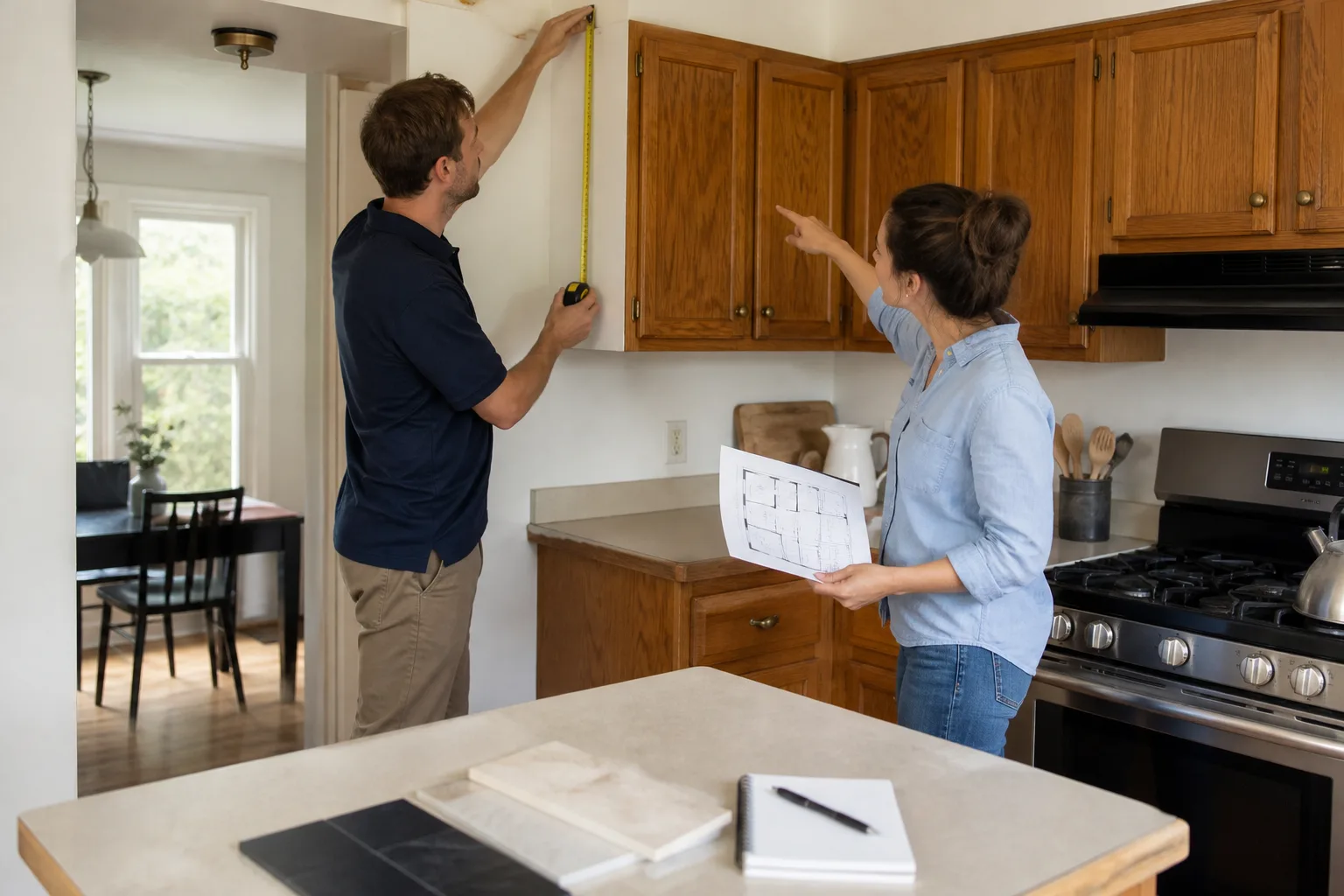
Free written scope consultation - allowances, timeline, and change-order rules on paper before a single trade is scheduled
Silestone Home Additions & ADU: The Woodland Hills Owner’s Guide
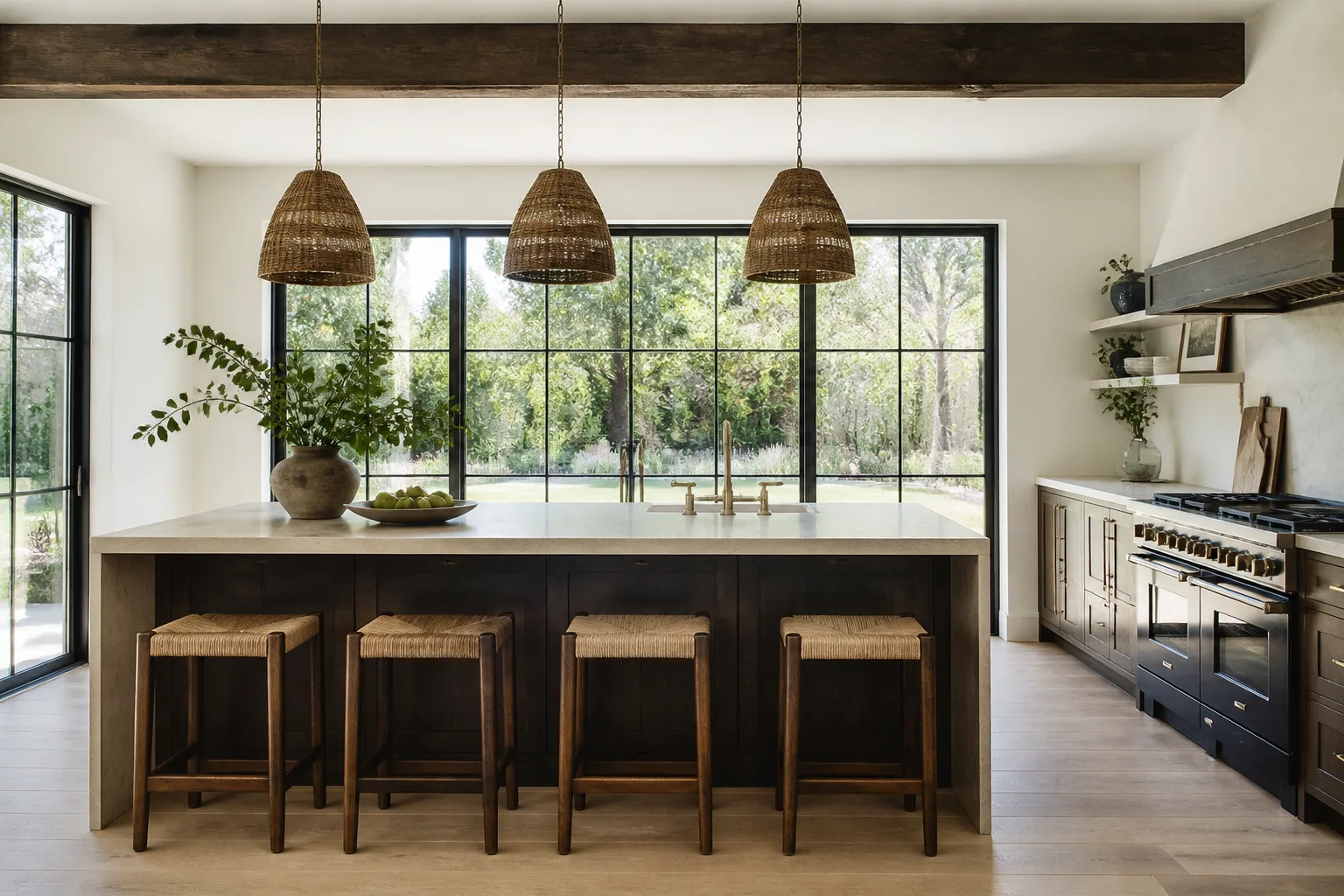
A Silestone home addition or ADU in Woodland Hills typically runs $45,000 – $130,000 depending on square footage, site prep, and finish level. We install Silestone surfaces as part of full additions and accessory dwelling units, and we carry the matching profiles, edging, and substrates needed to integrate Silestone into new kitchens, baths, and utility spaces. The part most owners call us about isn’t the slab itself. It’s the seam work, the edge profile, or the substrate underneath that starts failing two or three years after a cheaper install. You’ll notice a hairline crack radiating from a sink cutout, a seam that’s darkened or lifted, or an island overhang that’s begun to flex. That’s the conversation we have most often in Woodland Hills.
Key Takeaways:
- Installed Silestone additions and ADUs in Woodland Hills land between $45,000 and $130,000
- Sawyer Remodel Woodland Hills is an independent contractor, not affiliated with Silestone or Cosentino
- We stock Silestone-compatible substrates, edging, adhesives, and seam kits on our trucks
- Every job gets a written price before work starts, backed by the 365-Day Done Right Promise
Which Silestone Models This Applies To
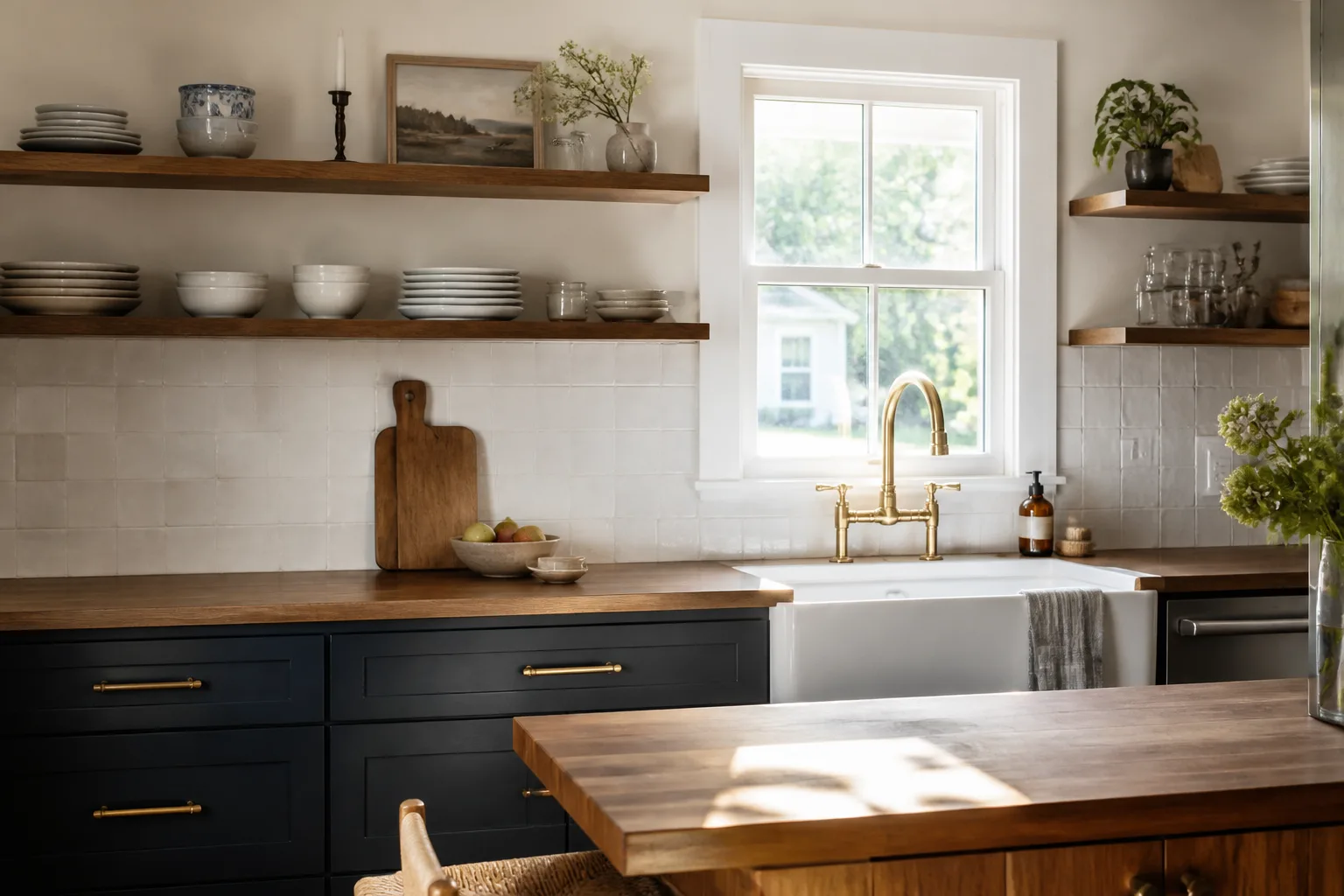
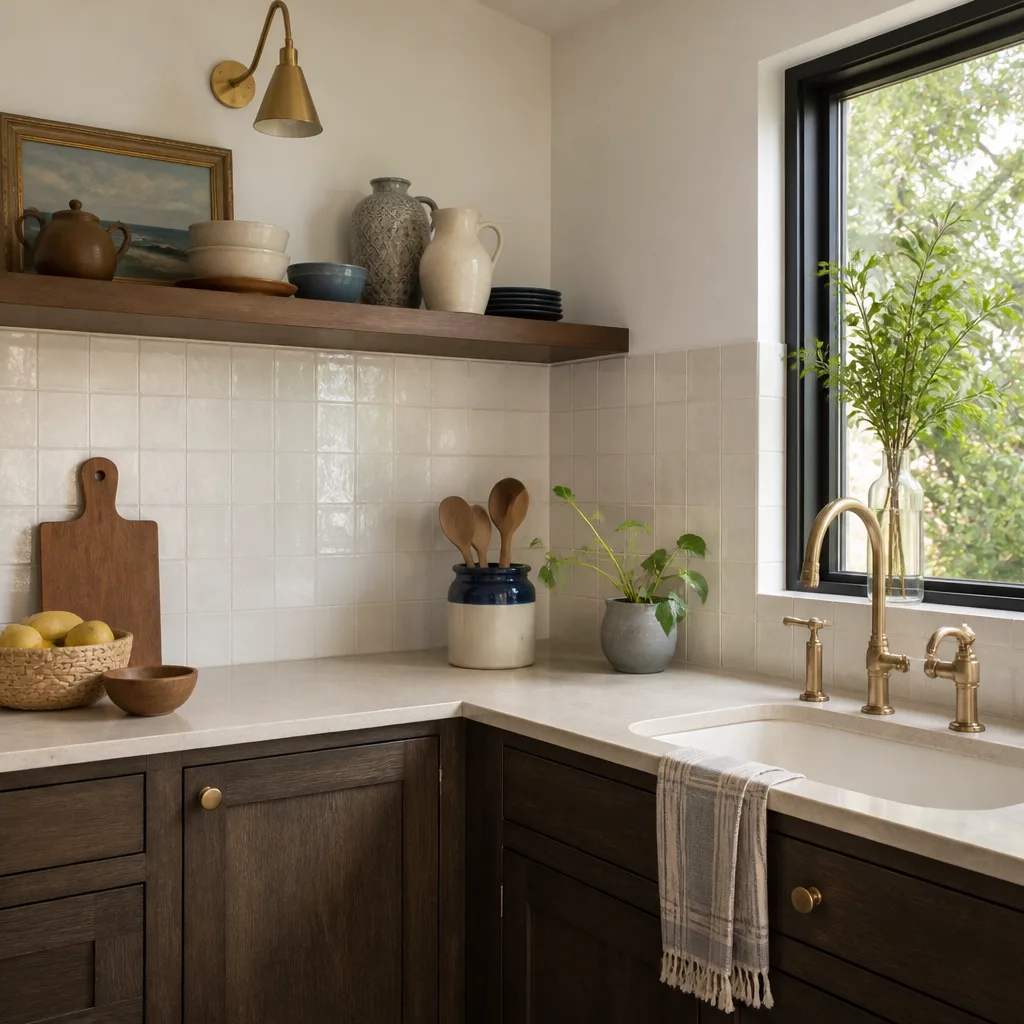
Silestone is Cosentino’s quartz line, and the compatibility question matters more than most people think. The current catalog includes the Sunlit Days series, the Eternal series, and the Loft series, along with the classic polished and suede finishes. What you need to match is three things: the slab thickness, which is 1.2cm, 2cm, or 3cm (2cm is standard for most Woodland Hills additions), the edge profile, and the color code stamped on the back of any leftover piece. That color code matters if you’re extending a run or adding a matching backsplash. Silestone reformulates colors every few years, and the “same” color from a 2019 order won’t always match a 2025 slab exactly. We tell every client that before we order anything.
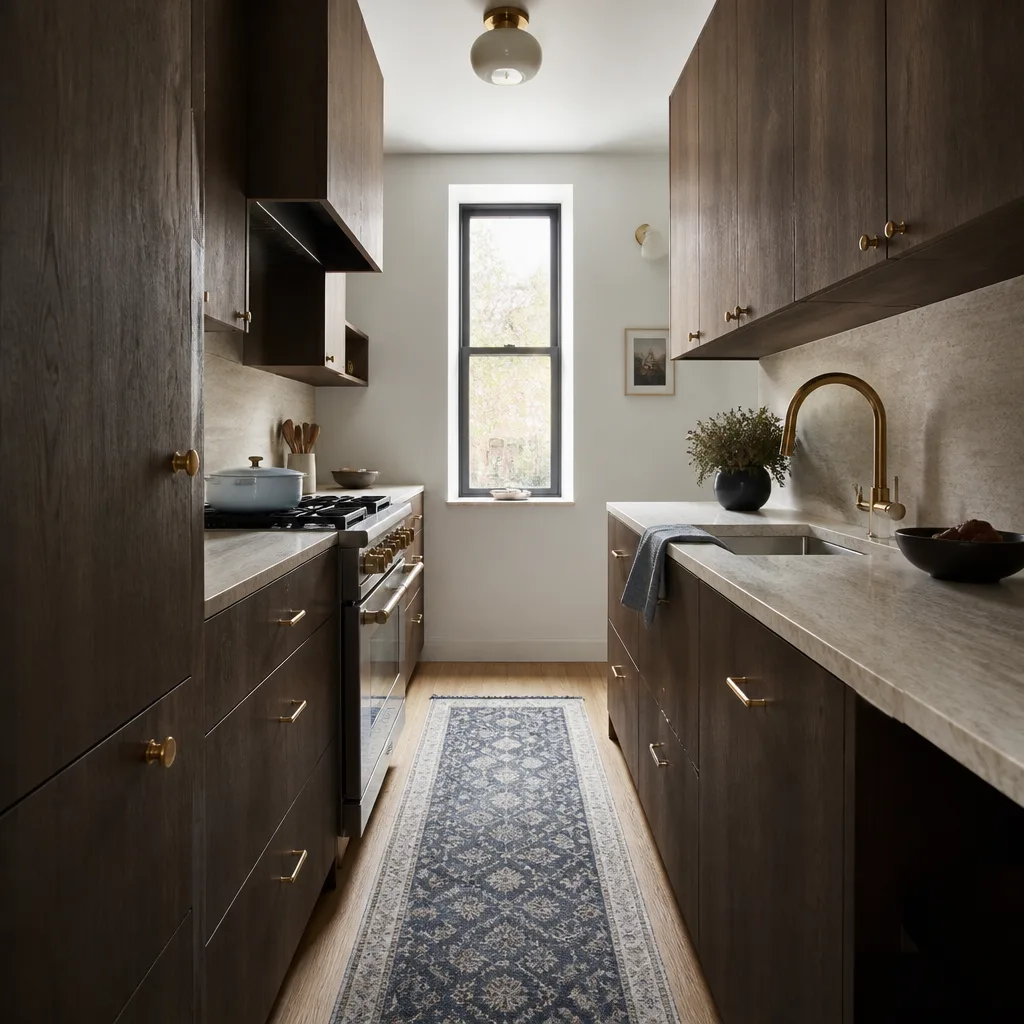
For a home addition or ADU, you’re usually not replacing a Silestone part. You’re integrating it into new construction. That means the substrate, the seam technique, and the overhang support all have to be planned before the slab lands. We’ve gone behind other installs in the hills above Topanga Canyon Boulevard where the substrate was installed wrong, and the counter failed within two years. The slab itself was fine. The support underneath wasn’t.
For OEM versus aftermarket: Silestone doesn’t make a separate “part” catalog for additions, but they do make matching edge profiles and specific seam adhesives. We use the Cosentino-recommended adhesives and color-matched epoxies. Aftermarket equivalents exist, but for a seam that’s going to sit in direct sun on a Warner Center ADU kitchen, we stick with the manufacturer’s own adhesive chemistry. It’s engineered for quartz’s expansion rates, and in Woodland Hills heat that’s exactly where cheap substitutes fail first.
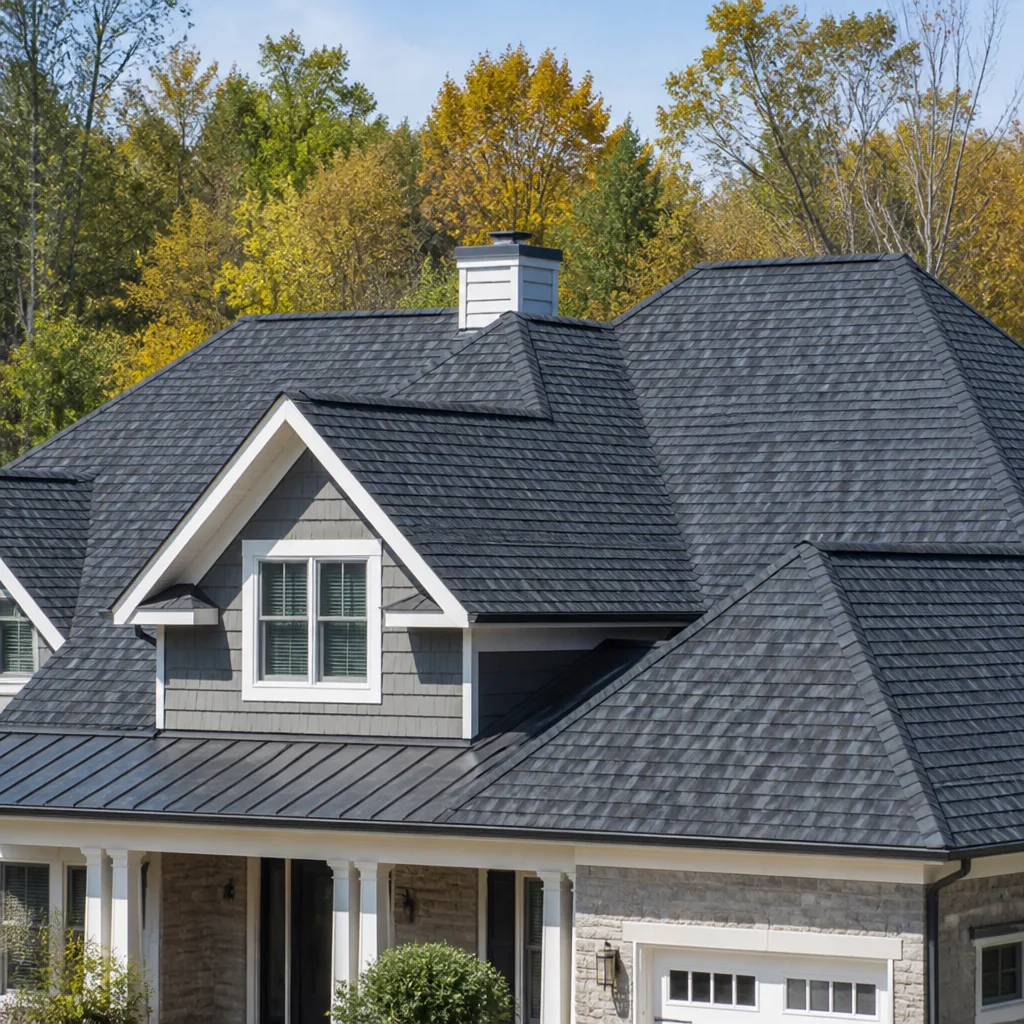
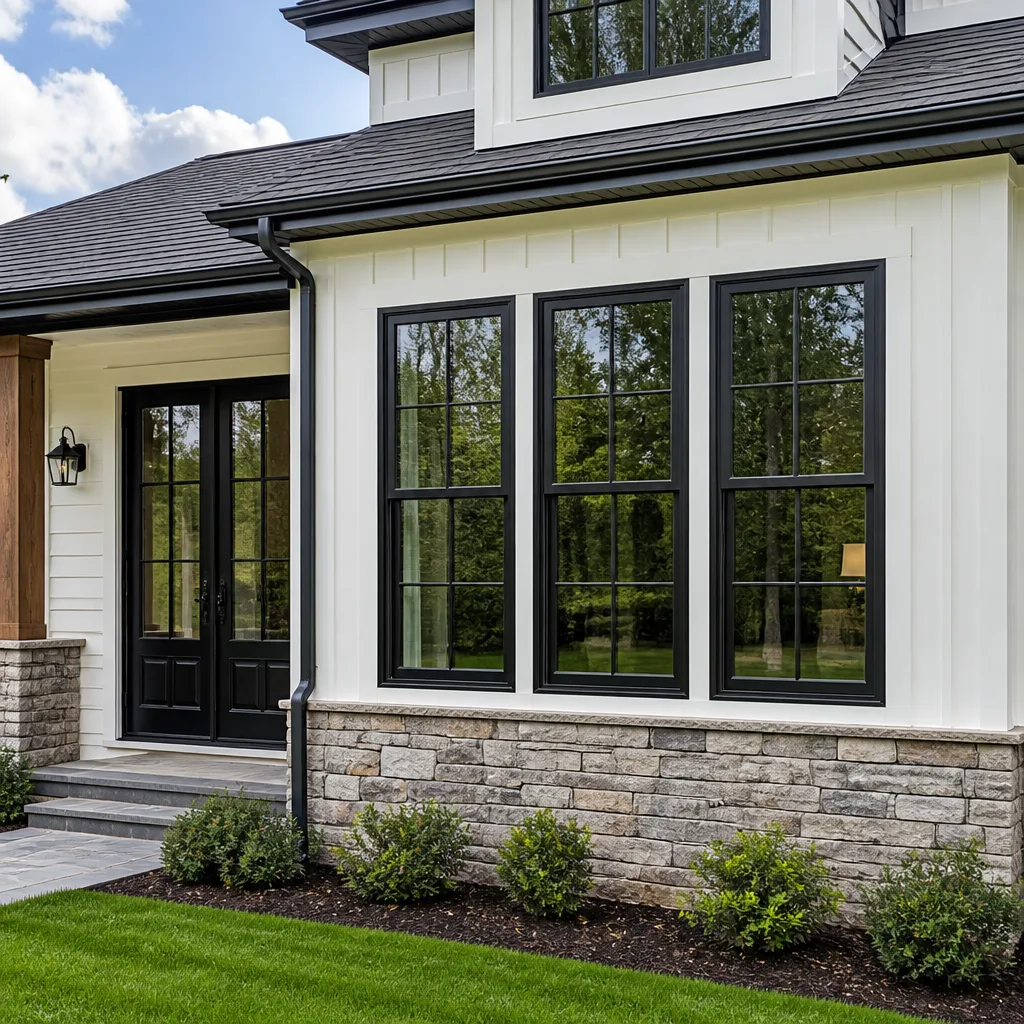
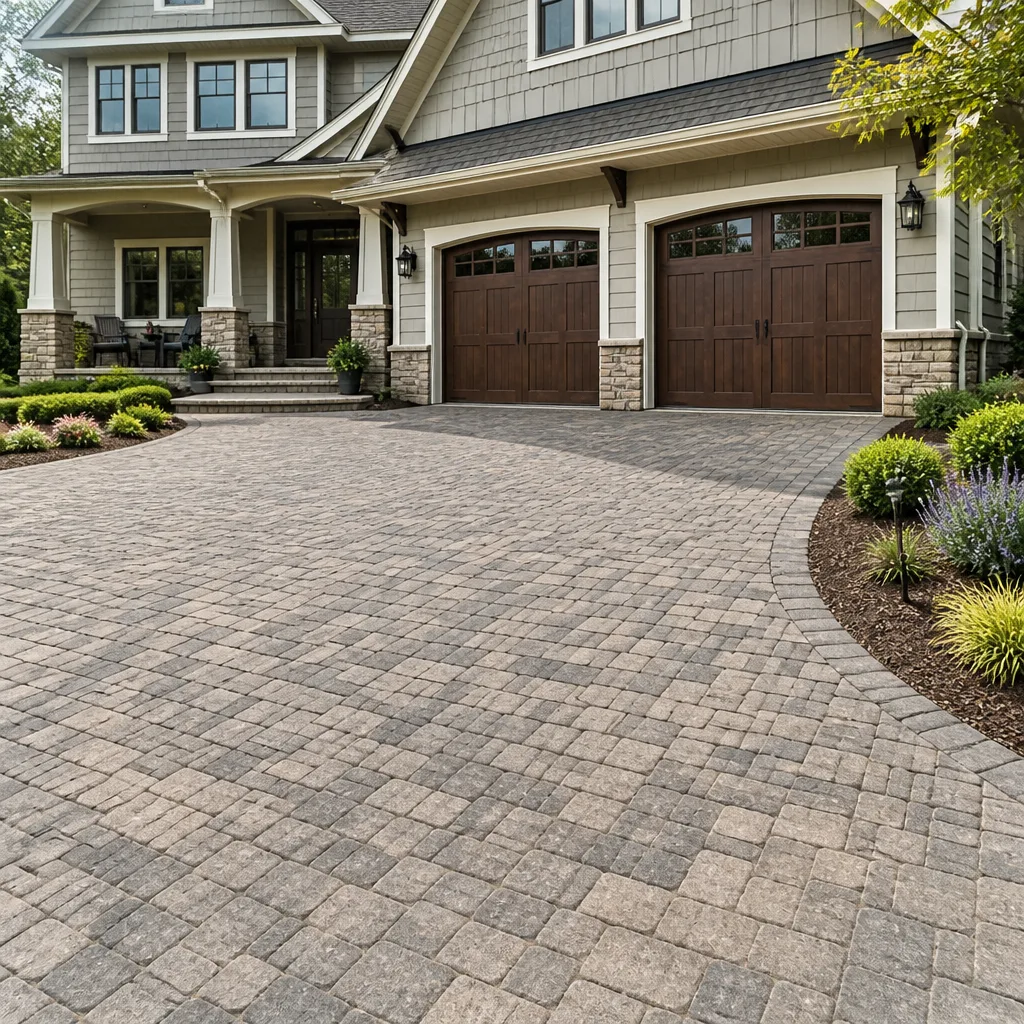
Styles & brands we work with
Signs Your Silestone Home Additions & ADU Is Failing
- Hairline cracks radiating from the sink or cooktop cutout. This is almost always a substrate problem underneath the slab, not the Silestone itself. With a 2cm slab on an inadequately supported cutout, daily use creates flex, and quartz doesn’t flex: it cracks.
- A seam that’s darkened, lifted, or uneven. Silestone seams should be nearly invisible when done right, with a consistent color match. If you run a fingernail across and feel a ridge, or the seam looks dirty regardless of cleaning, the adhesive bond is starting to fail.
- Chipped or rough edge profiles. Edge profiles like eased, beveled, or ogee should hold their line. Chips along the profile edge usually mean the overhang was cut too thin for Silestone’s brittleness, or the edge wasn’t polished correctly after cutting.
- Island overhang flex when you lean on it. A Silestone island overhang over 12 inches needs corbels or steel bracket support every 24 to 30 inches. If it moves when weight hits it, you’re stressing the slab and a crack is coming.
- Discoloration around the sink flange or faucet holes. That’s water wicking into the seam or the substrate. Silestone is non-porous, but the adhesive bond lines aren’t. Once moisture gets in, the support material underneath starts failing.
See the difference
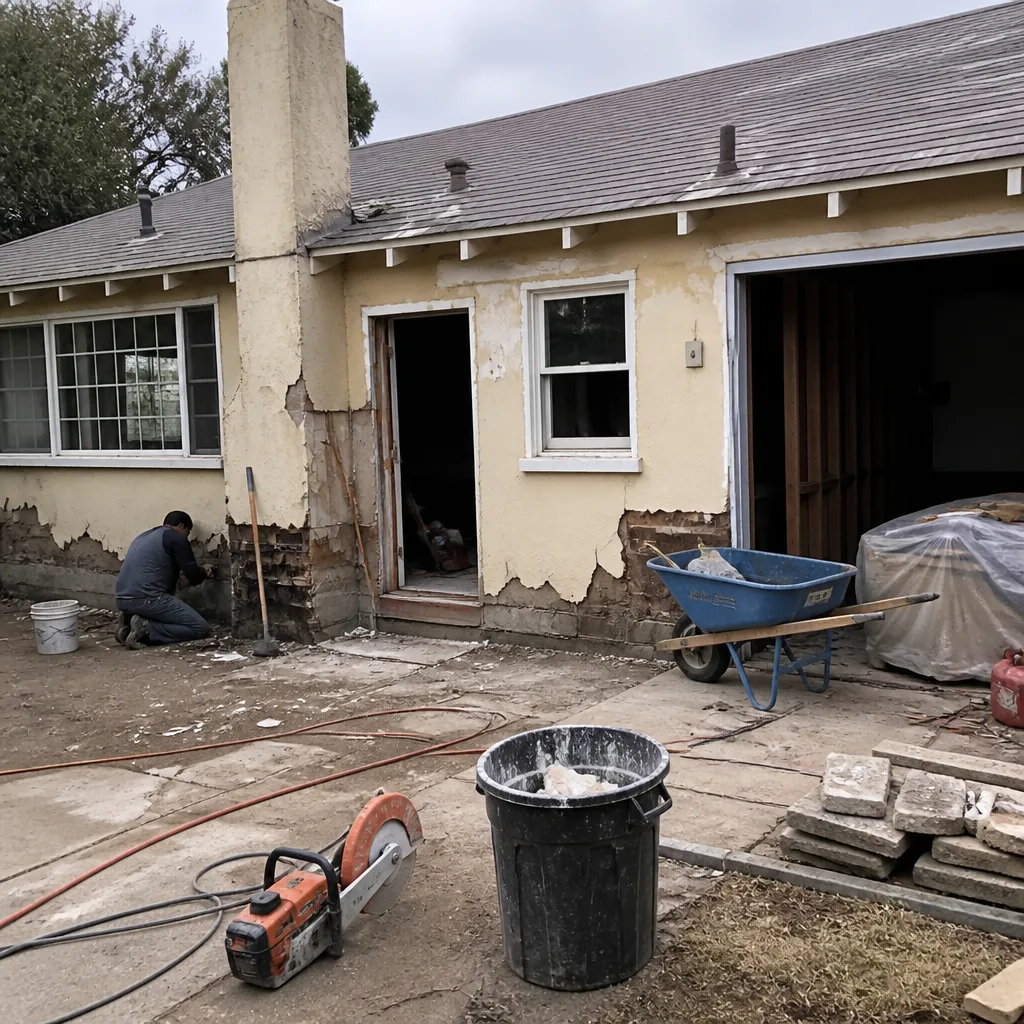 Before
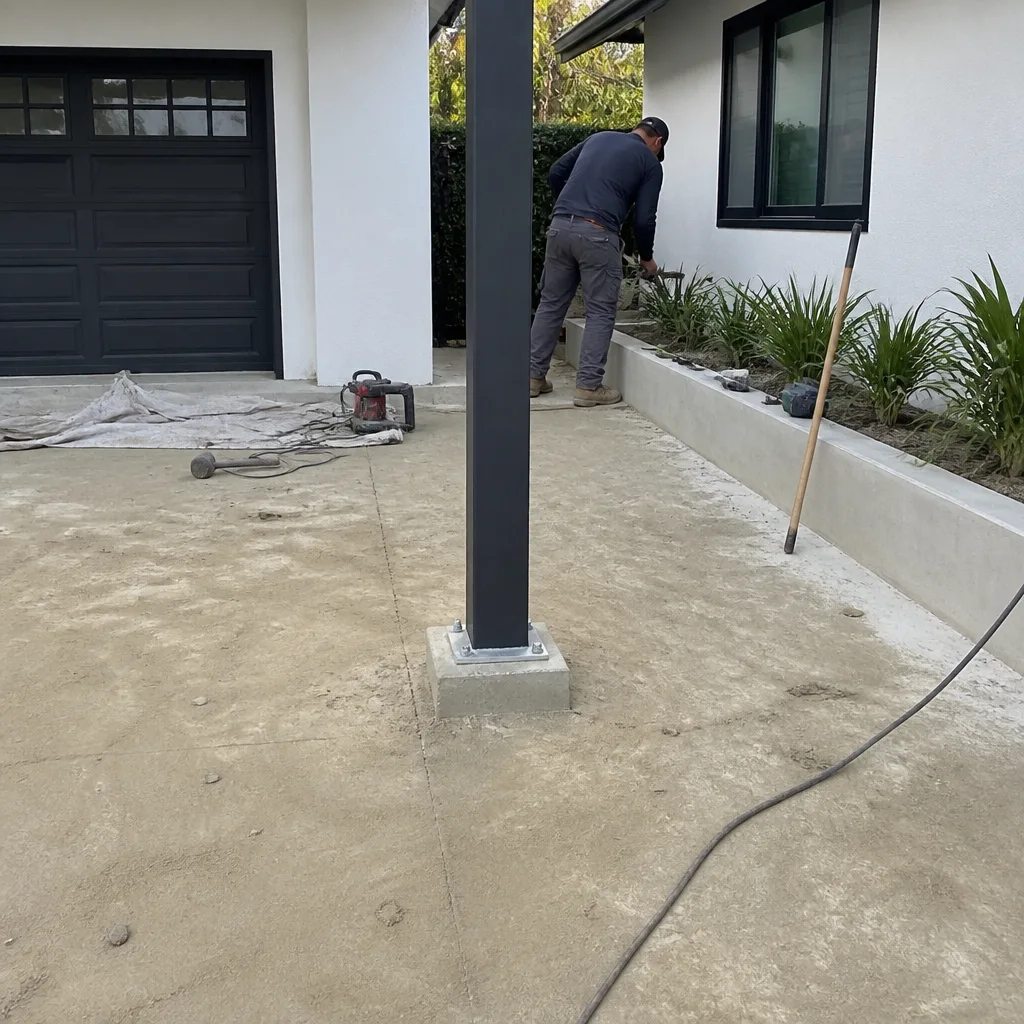 After
After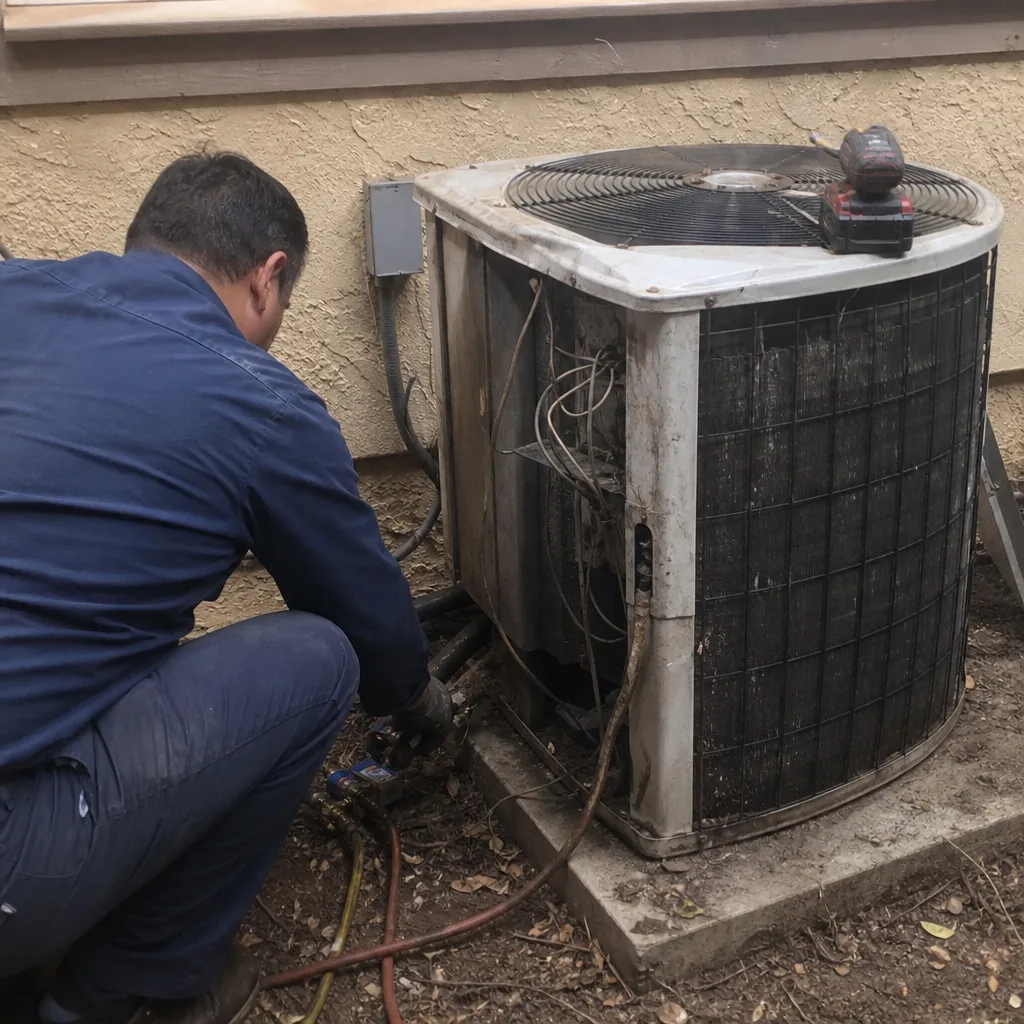 Before
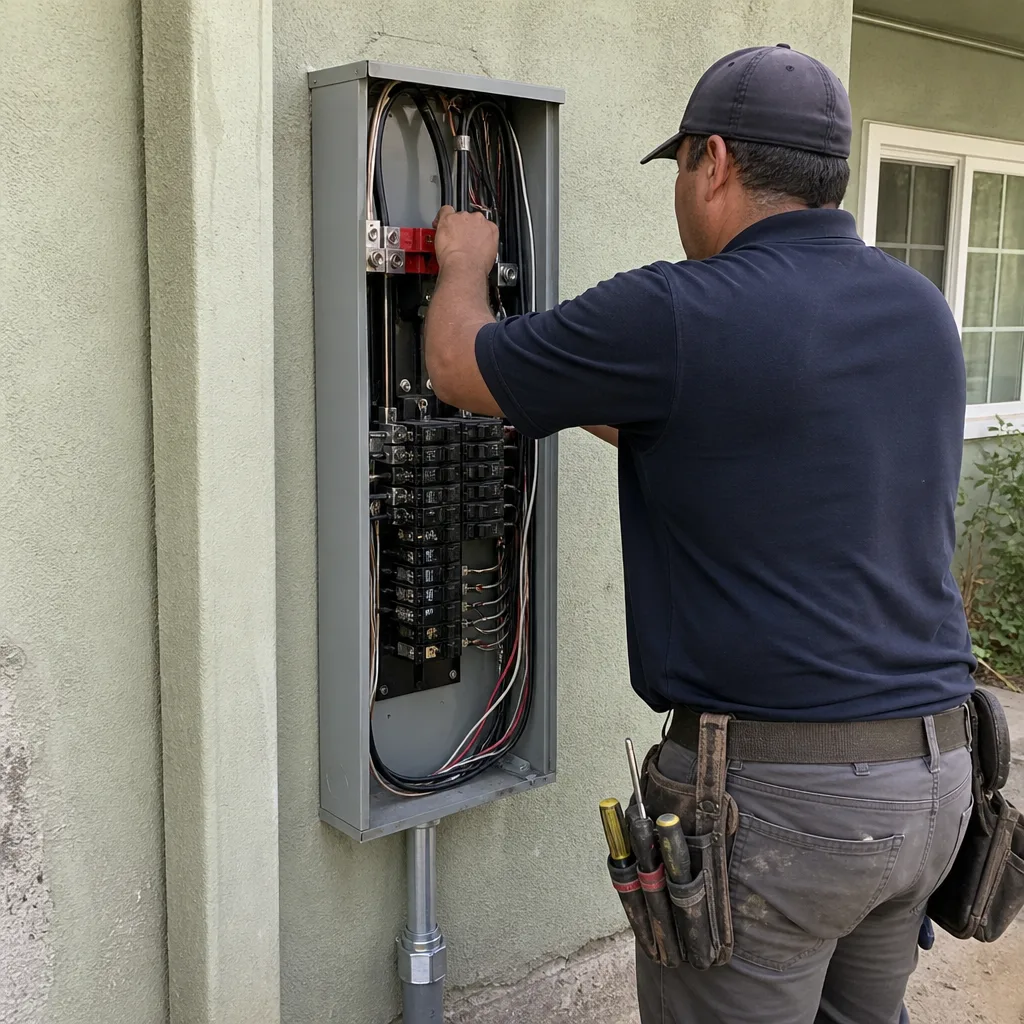 After
After Before
 After
AfterReplacement Cost & What’s Included
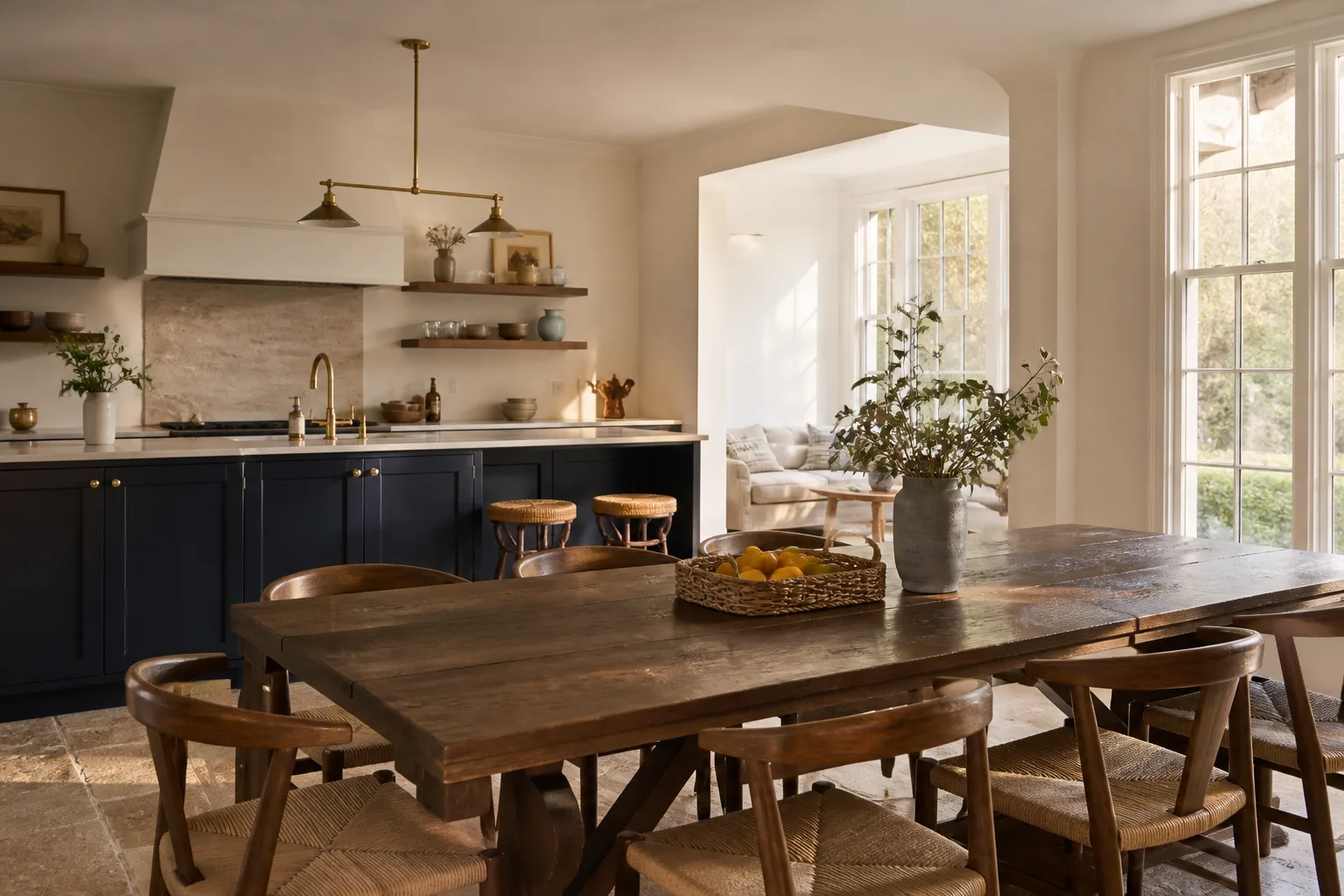
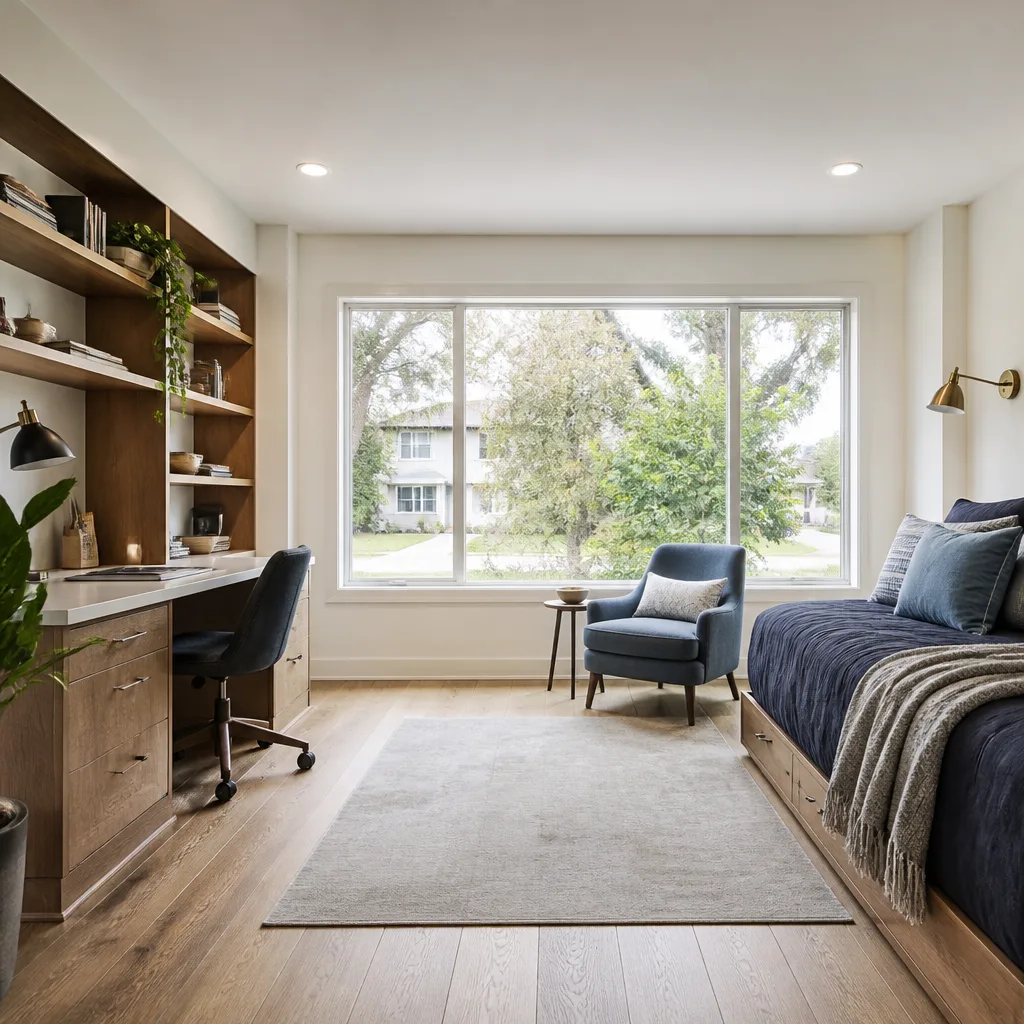
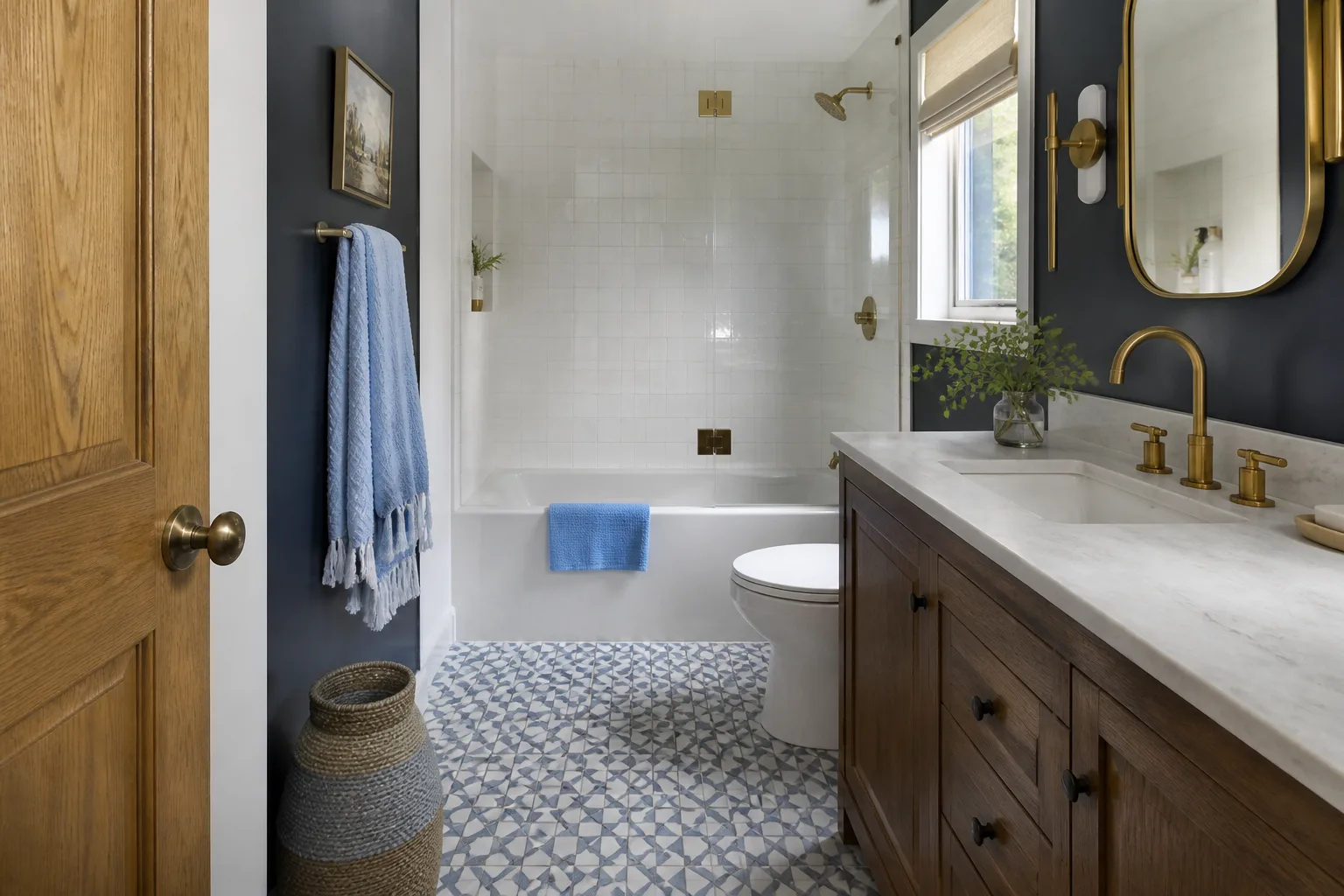
For a full Silestone home addition or ADU in Woodland Hills, you’re looking at $45,000 – $130,000. That’s the honest range we give before anyone asks us to come look. Smaller additions on flat lots with existing foundation access start at the lower end. Hillside lots with pier-and-beam work, or ADUs that need new utility runs, land at the top. If it’s a kitchen or bath surface replacement within an existing footprint rather than a full addition, a countertop-only swap with Silestone runs $2,000 – $6,500 installed.
| Scope | Installed Price Range (Woodland Hills) |
|---|---|
| Silestone countertop replacement (existing footprint) | $2,000 – $6,500 |
| Home addition with Silestone kitchen/bath | $45,000 – $130,000 |
| ADU construction with Silestone surfaces | $90,000 – $220,000 |
| Garage conversion with Silestone kitchenette | $30,000 – $80,000 |
Every number we give is a written price before any work starts. No change orders unless you change the scope. The price includes the slab, fabrication, substrate work, adhesive, edge profiling, install, and haul-away. What drives the range in Woodland Hills specifically is site access: a flat Warner Center lot with a driveway that fits a fabrication truck is a simpler job than a hillside street above Topanga Canyon Boulevard where we’re parking on a grade and carrying slabs 80 feet. Labor is the variable, not the material.
Our work is covered by the 365-Day Done Right Promise. If the seam opens, the slab cracks, or the edge fails within a year of the install, we fix it. That’s in writing, not a handshake.
DIY or Call Us?
Silestone is not a material that tolerates amateur work. Quartz is 90-plus percent stone and resin, and it is heavy. A 2cm slab at 3-foot by 8-foot weighs around 350 pounds. Cutting it requires a diamond blade and a wet saw with precise feed control: too fast and you chip the edge, too slow and the resin burns. Seam work needs the right adhesive chemistry and a level substrate underneath. If the substrate is the problem, then pulling a Silestone slab means also fixing the cabinet deck or the framing below, and that is a load-bearing conversation, not a countertop one.
What you can safely check yourself: shine a flashlight along the seam to see if it’s lifting, test the overhang for flex by pressing your palm down, and look under the cabinets with a level to confirm the deck is flat. If any of those fail, call us at (341) 217-2776. We’ll send a uniformed technician who knows Silestone, arrives at a confirmed time, and gives you a written price before anything gets touched.
FAQs
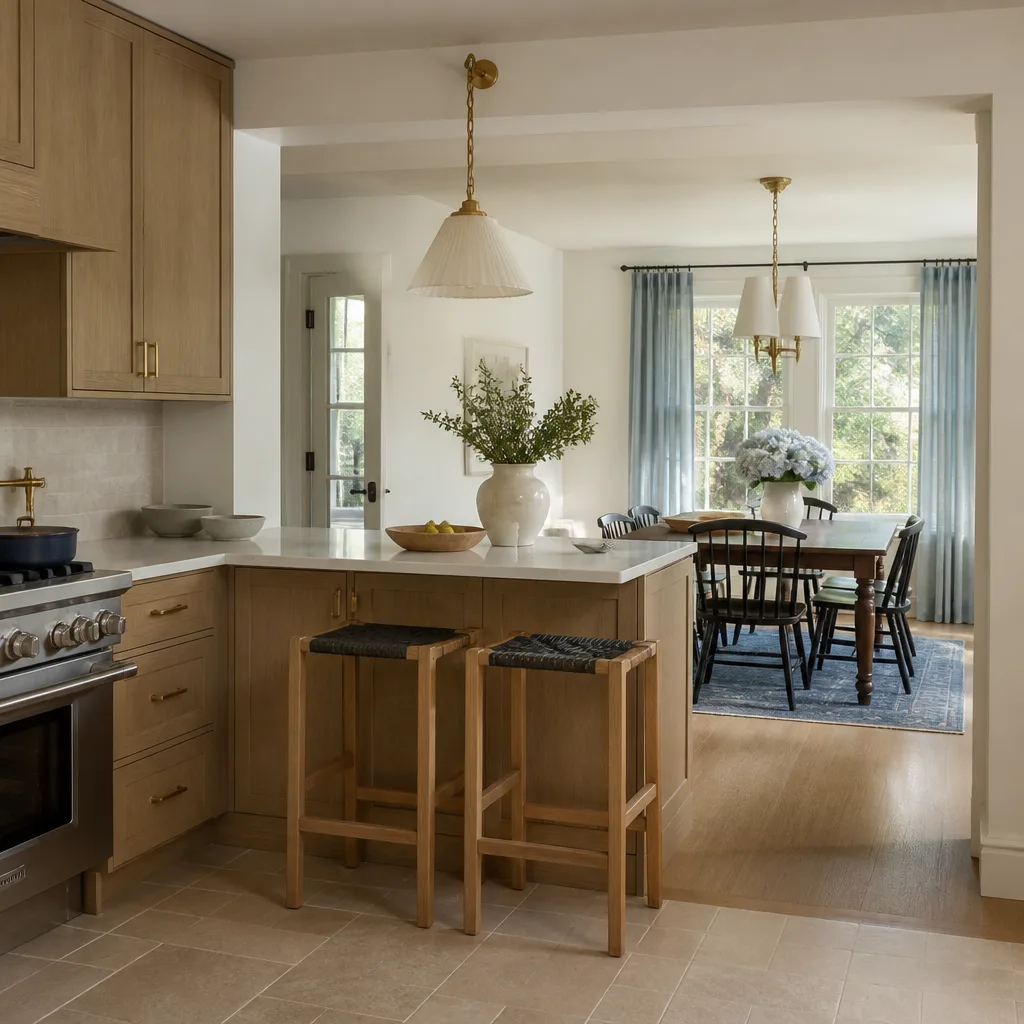
Silestone quartz should last 25-plus years in a Woodland Hills home, provided the substrate was installed correctly and the seams were bonded with manufacturer-specified adhesives. Direct sun exposure on south-facing ADU windows is the biggest longevity factor we see here, leading to slight resin color shift after a decade or more. Call (341) 217-2776 if you want us to look at your existing install before you expand it.
A small chip along the edge can often be filled and polished to near-invisible, but a structural crack through the slab is a replacement situation. The crack itself can’t be “healed” and will telegraph through future seam work. The good news is that a crack usually means the slab did its job and took stress that should have been handled by the support underneath. We’ll diagnose both. Call (341) 217-2776 for a written quote.
A countertop-only replacement runs one to two days from demolition through cure. A full Silestone kitchen or bath inside a home addition or ADU project is scheduled within the larger build, typically a two to three week surface phase. The 48-hour window after the seam adhesive is applied is the curing time, and we don’t rush it. Call (341) 217-2776 and we’ll map the schedule for your specific project.
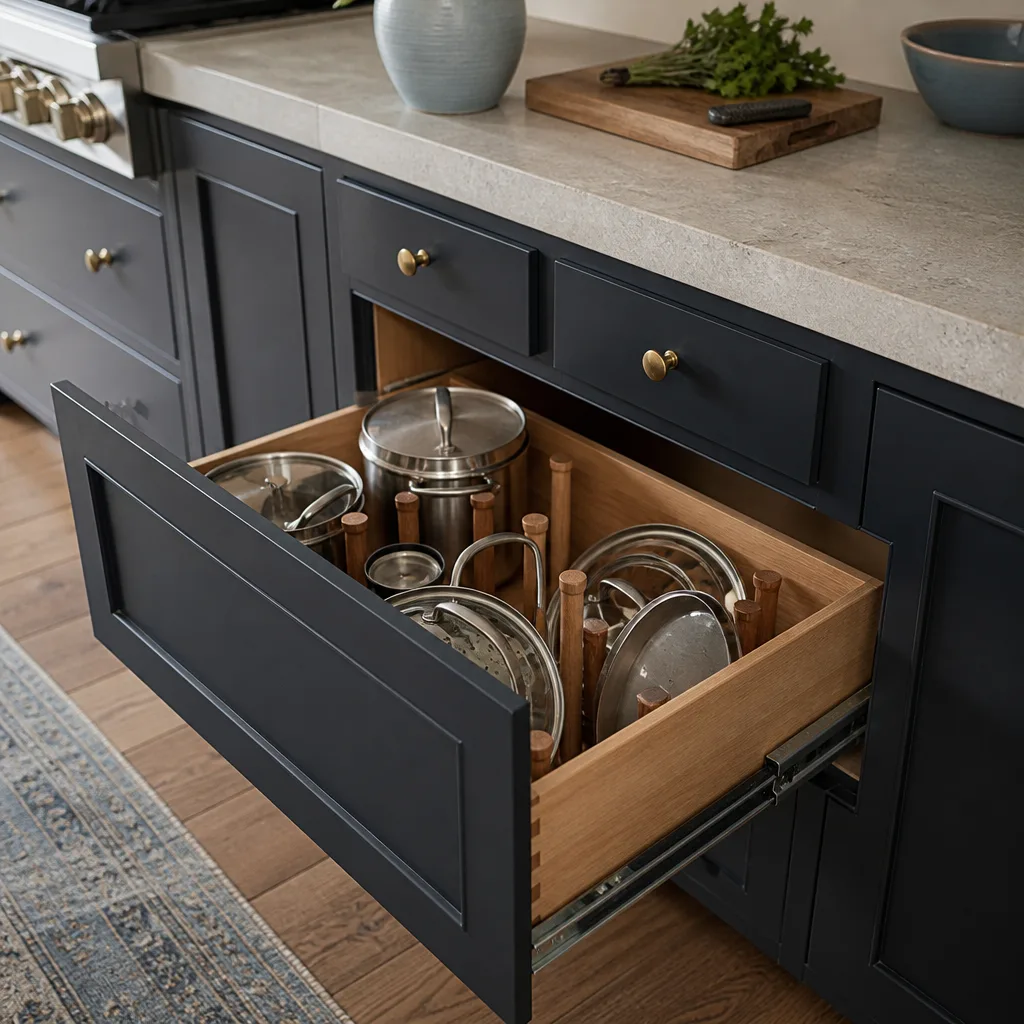
We stock the adhesives, color-matched epoxies, edging materials, and substrate components on our trucks for common Silestone profiles and thicknesses. Custom slab orders are fabricated to your exact dimensions through our shop. If you’re matching an existing color, bring us a photo of the code stamped on the back of the slab so we can verify the batch. Call (341) 217-2776 and we’ll confirm what we have before we come out.
Written by Luca Romano, Owner, Sawyer Remodel Woodland Hills at Sawyer Remodel Woodland Hills, serving Woodland Hills and nearby areas.