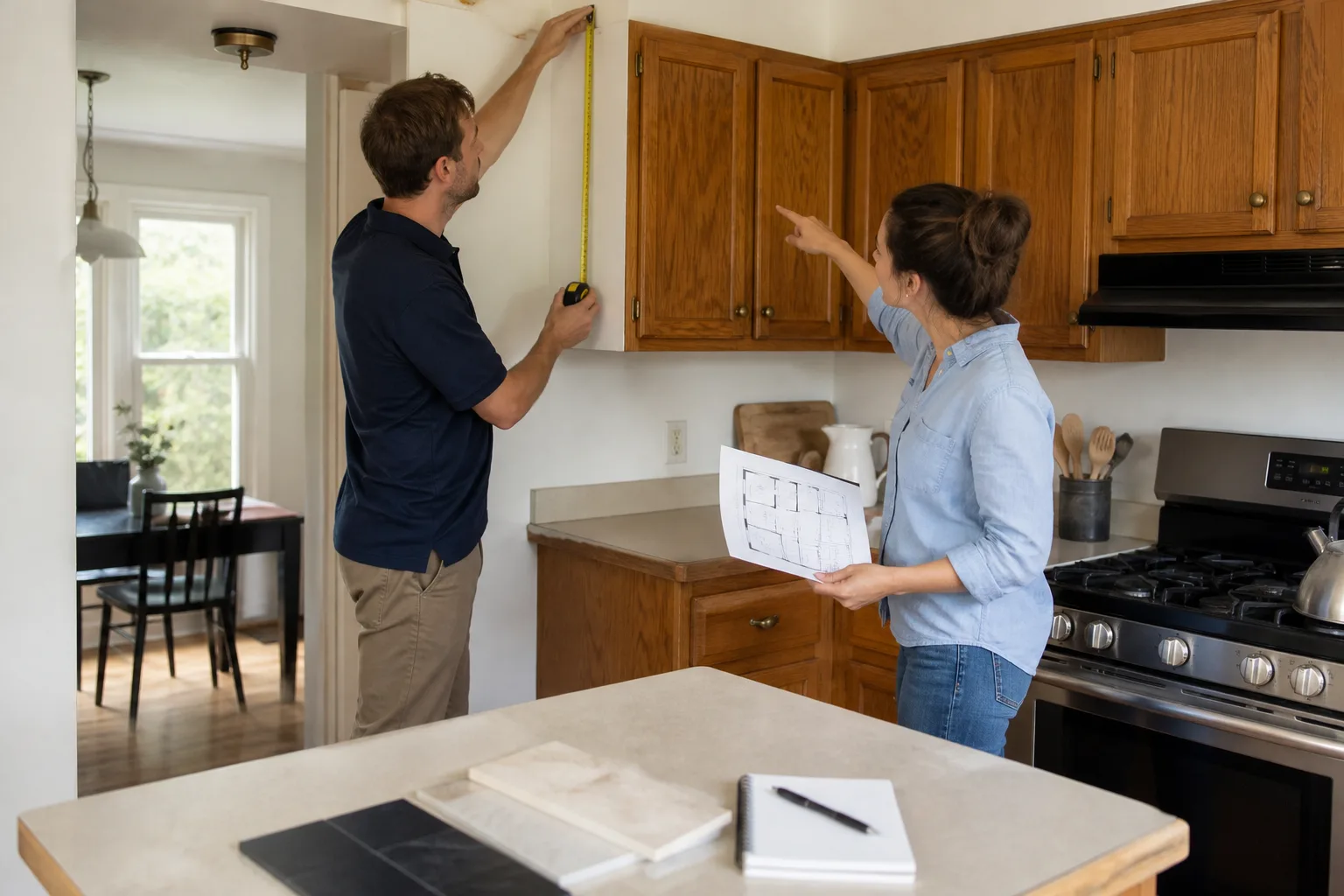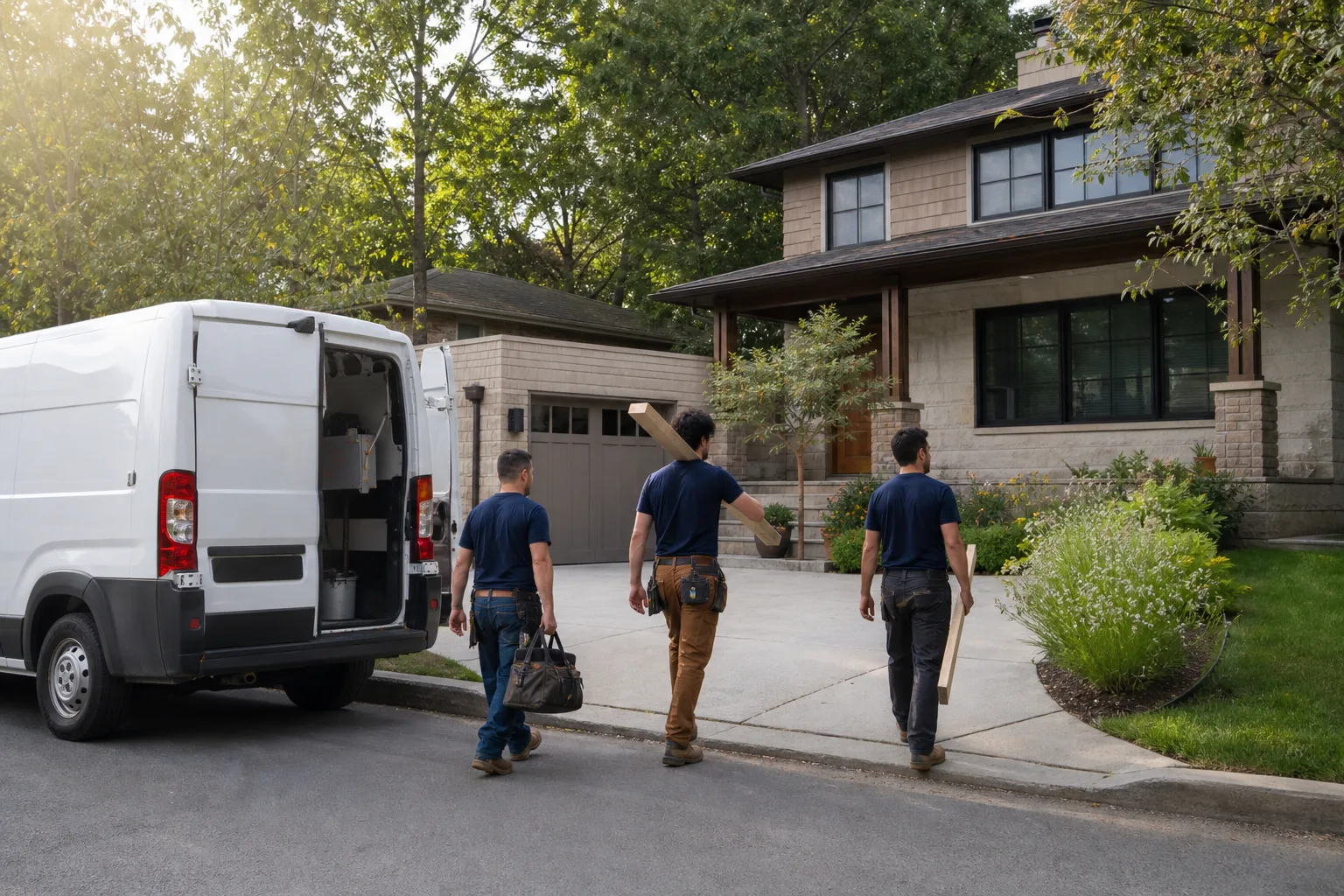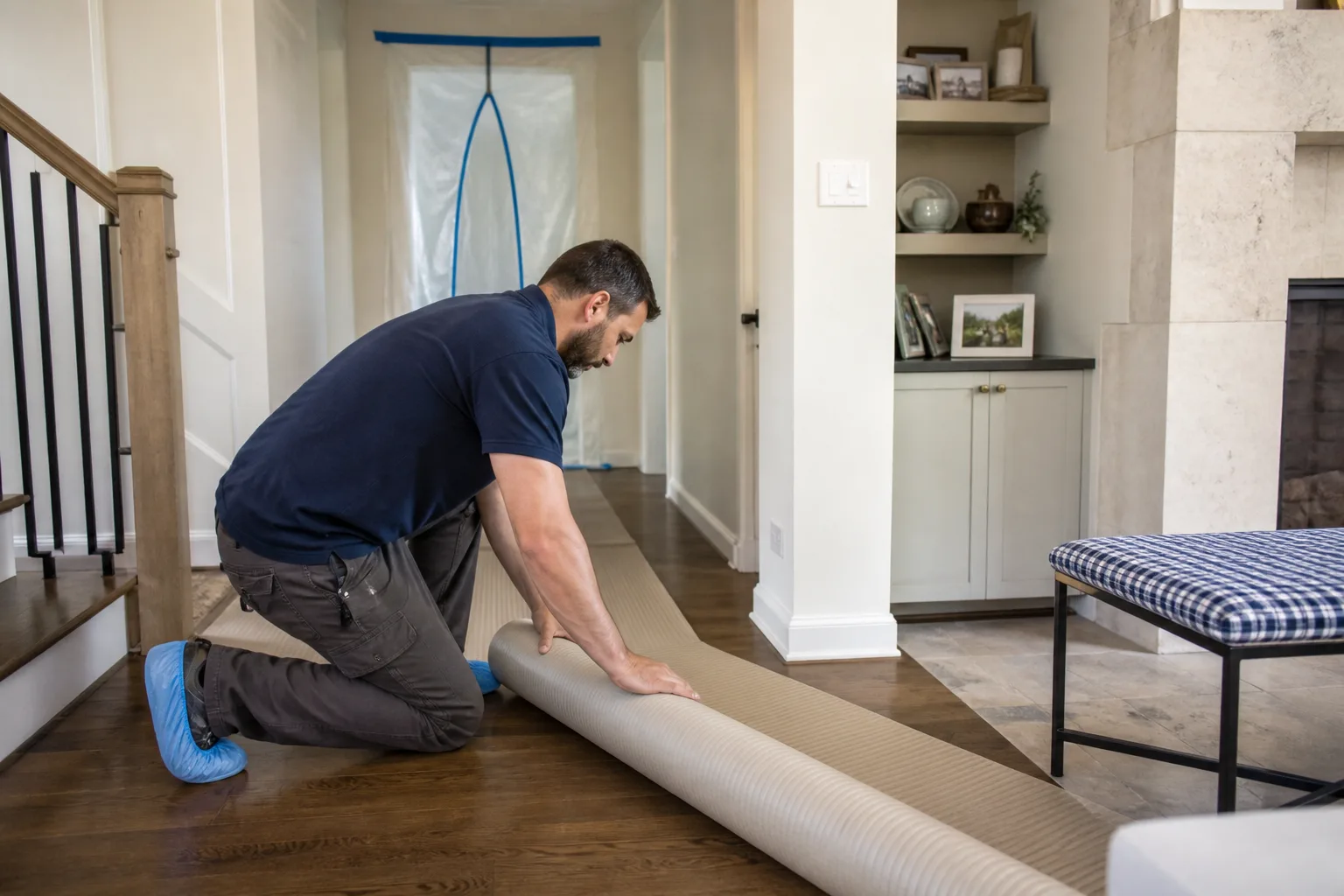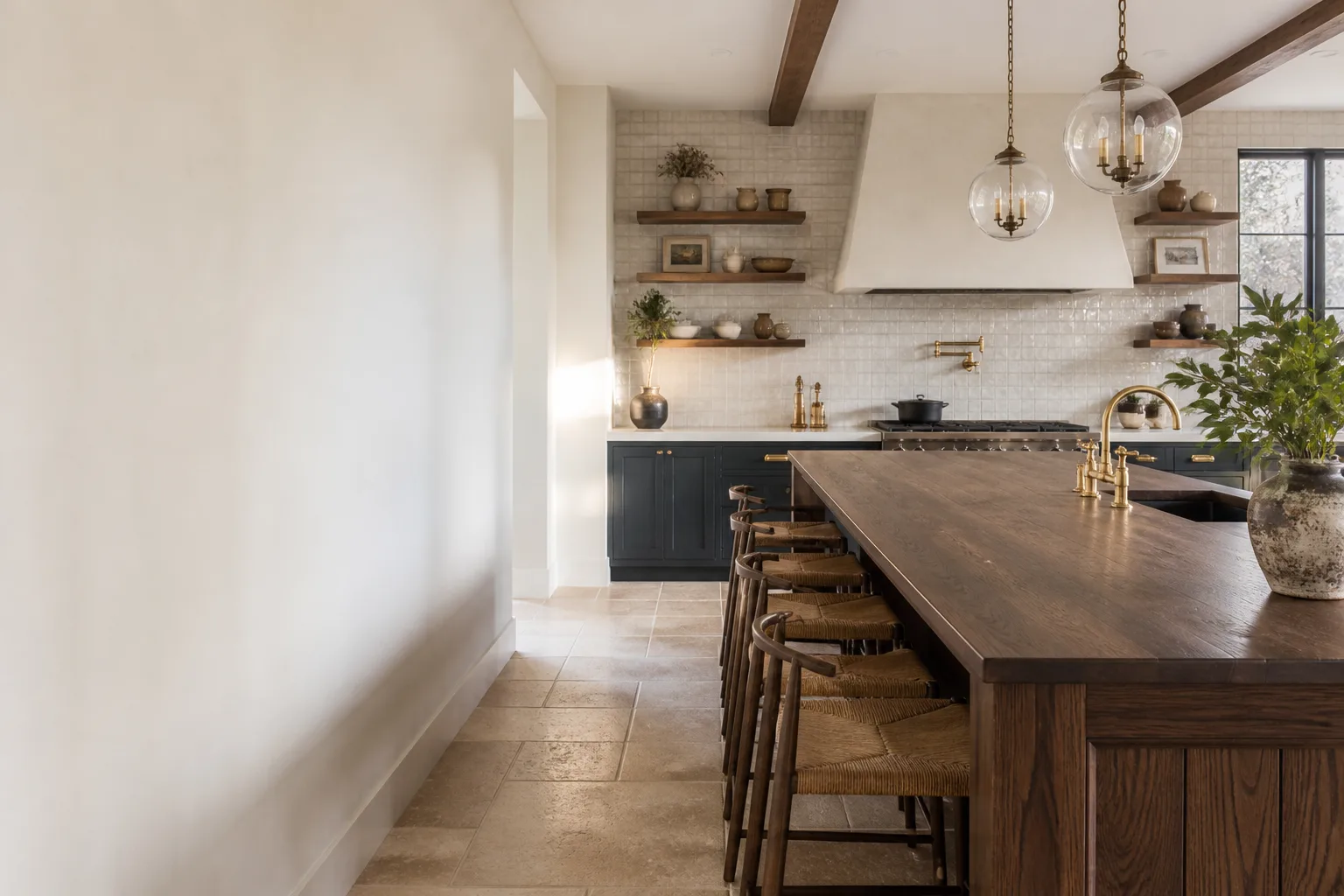
Free written scope consultation - allowances, timeline, and change-order rules on paper before a single trade is scheduled
Owens Corning Kitchen Remodeling: The Woodland Hills Owner’s Guide
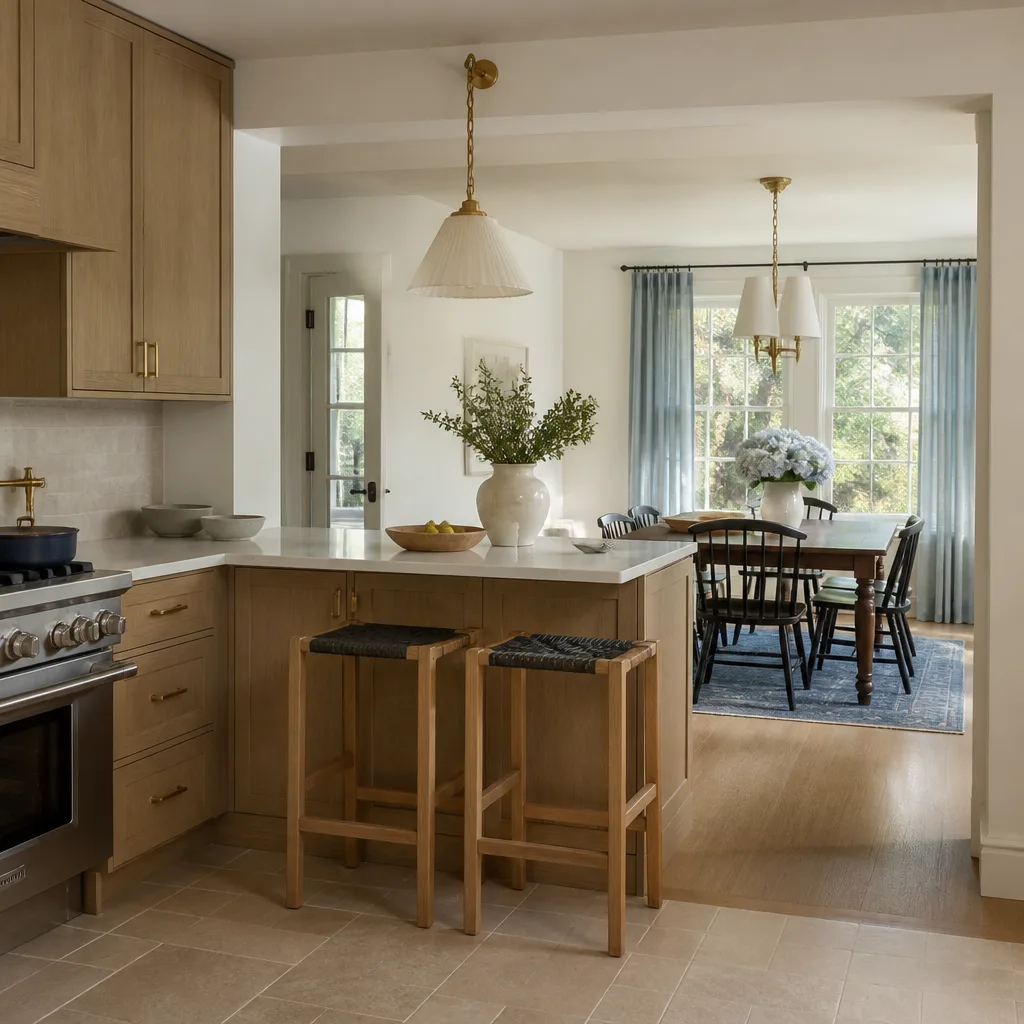
Owens Corning kitchen remodeling in Woodland Hills typically runs $14,000 – $45,000 installed, depending on cabinet configuration, countertop material, and whether you’re doing a full gut or a refresh. We stock and install Owens Corning-compatible insulation, vapor barriers, and acoustic panels, and we carry the surrounding materials from KraftMaid, Cambria, and Silestone. Most homeowners discover an Owens Corning component has failed when they open a cabinet and feel a draft, notice moisture staining along the baseboard, or hear a soft rattle behind the drywall that wasn’t there before.
Here’s the thing about Owens Corning products in a kitchen: they rarely fail alone. The pink fiberglass batt behind your wall cavity doesn’t just quit mid-service. What fails is the system around it, and that system gets tested harder in Woodland Hills than almost anywhere else in LA County. The summer heat pushes attic temperatures past 140°F, the Santa Ana winds drive dust and fine debris into every gap, and the marine layer that rolls through Warner Center and the hillside streets above Topanga Canyon Boulevard adds a humidity cycle most adhesives and vapor barriers were never designed to survive. When an Owens Corning insulation panel or vapor barrier starts underperforming, you feel it in specific ways: a kitchen that won’t hold temperature, a backsplash wall that stays cold in winter, or that musty smell near the sink base cabinet that no amount of cleaning removes.
Sawyer Remodel Woodland Hills is an independent contractor serving Woodland Hills and the West Valley. We’re not affiliated with Owens Corning, but we’ve been installing their insulation and moisture-control products in kitchen remodels since 2005, and we know which generations of their material hold up in this climate, and which ones need watching after year eight or nine.
Written price before any work starts, live arrival time on the day we show up, before-and-after photos from the crew, and a digital invoice you pay from a link. That’s The Relay Standard. That’s how every Owens Corning kitchen job runs with us.
Which Owens Corning Models This Applies To
The kitchen-side Owens Corning materials that show up in Woodland Hills homes generally fall into three categories: R-13 and R-15 EcoTouch fiberglass batts for exterior wall cavities, R-30 to R-38 blown-in or batt insulation above the kitchen ceiling, and Foamular or Thermafiber fire-rated panels used behind range hoods and around recessed light housings. If your kitchen was built or remodeled between roughly 1995 and 2020, you almost certainly have at least one of these in the wall assembly.
The compatibility gotcha most homeowners miss: Owens Corning changed their batt sizing in the early 2010s, moving from pre-2012 “kraft-faced” rolls with a paper vapor barrier to the “EcoTouch” line, which fits the same 2×4 and 2×6 cavities but at a slightly different friction fit. If your kitchen has older kraft-faced batts and a contractor slaps in a newer unfaced batt, the vapor profile changes and moisture can collect where it didn’t before. We check cavity depth, facing direction, and the existing vapor barrier before we order anything.
Identifying what you have is simple. Pull a switch plate or outlet cover on an exterior kitchen wall and look inside the junction box. Pink or white fiberglass with a paper face means pre-2012 Owens Corning. Yellow or white unfaced fiberglass means newer EcoTouch. Foam board behind the range hood will have “Foamular” printed on the face if it’s Owens Corning. If you’re not sure what you’re looking at, call us at (341) 217-2776 and we’ll identify it during the free estimate.
For Owens Corning specifically, the OEM-versus-aftermarket question matters less than it does for mechanical parts. Their fiberglass and foam board have been off-patent for years, and the quality difference between genuine Owens Corning and a good aftermarket equivalent is smaller than the temperature difference between ground floor and second story in a Woodland Hills summer. We install genuine Owens Corning when the budget supports it, and we’re honest when a quality equivalent from another manufacturer does the same job for less.
Styles & brands we work with
Signs Your Owens Corning Kitchen Remodeling Is Failing
- A kitchen that won’t hold temperature. In July, the kitchen should be the coolest room in the house if the exterior-wall insulation is doing its job. If your kitchen runs five or more degrees hotter than the living room, the batts in that exterior wall have likely settled, gotten wet from a leaky window above, or weren’t installed with the facing in the right direction. Settled insulation loses R-value fast, and a batt that’s sagged two inches leaves a thermal gap at the top of every stud bay.
- Moisture staining or peeling paint at the baseboard, especially below the sink. This is the classic vapor-barrier failure. A properly installed Owens Corning kraft-faced batt keeps warm, moist air from condensing against the back of the drywall. When that facing tears or was never lapped correctly, moisture wicks into the drywall and you see it at the bottom of the wall first. In older Woodland Hills homes with uninsulated slab foundations, this problem compounds because ground moisture rises into the wall cavity.
- A musty smell inside the sink base cabinet that persists after cleaning. The cavity behind a kitchen sink cabinet is the most vulnerable square footage in the whole kitchen. Dishwasher steam, garbage disposal splatter, and drain line condensation all feed moisture into that space. If the Owens Corning insulation behind that cabinet has absorbed water, it holds the smell and never fully dries inside the stud bay. No amount of vinegar, baking soda, or cabinet liner solves it. The wet batt has to come out.
- Cold spots on the kitchen floor near exterior walls. In a two-story Woodland Hills home with a kitchen over a crawlspace or garage, the floor insulation is often Owens Corning R-30 batt held in place by wire rods or netting. When those rods sag or the netting tears, the batt drops away from the subfloor and creates a direct thermal bridge. You’ll feel it in winter as a cold stripe running parallel to the wall. We see it most often in the hillside homes above Topanga Canyon Boulevard where the garage sits under the kitchen.
- Rattling or scratching sounds behind the range hood or upper cabinet run. Owens Corning Thermafiber and Foamular panels are rigid, and when they crack or de-laminate inside a cavity, the loose pieces vibrate against the drywall when the exhaust fan runs or when the wind gusts during a Santa Ana event. If you hear a soft rattle that stops when you press on a specific spot on the wall, it’s almost always a loose panel or a cracked piece of foam board, not a structural problem.
See the difference
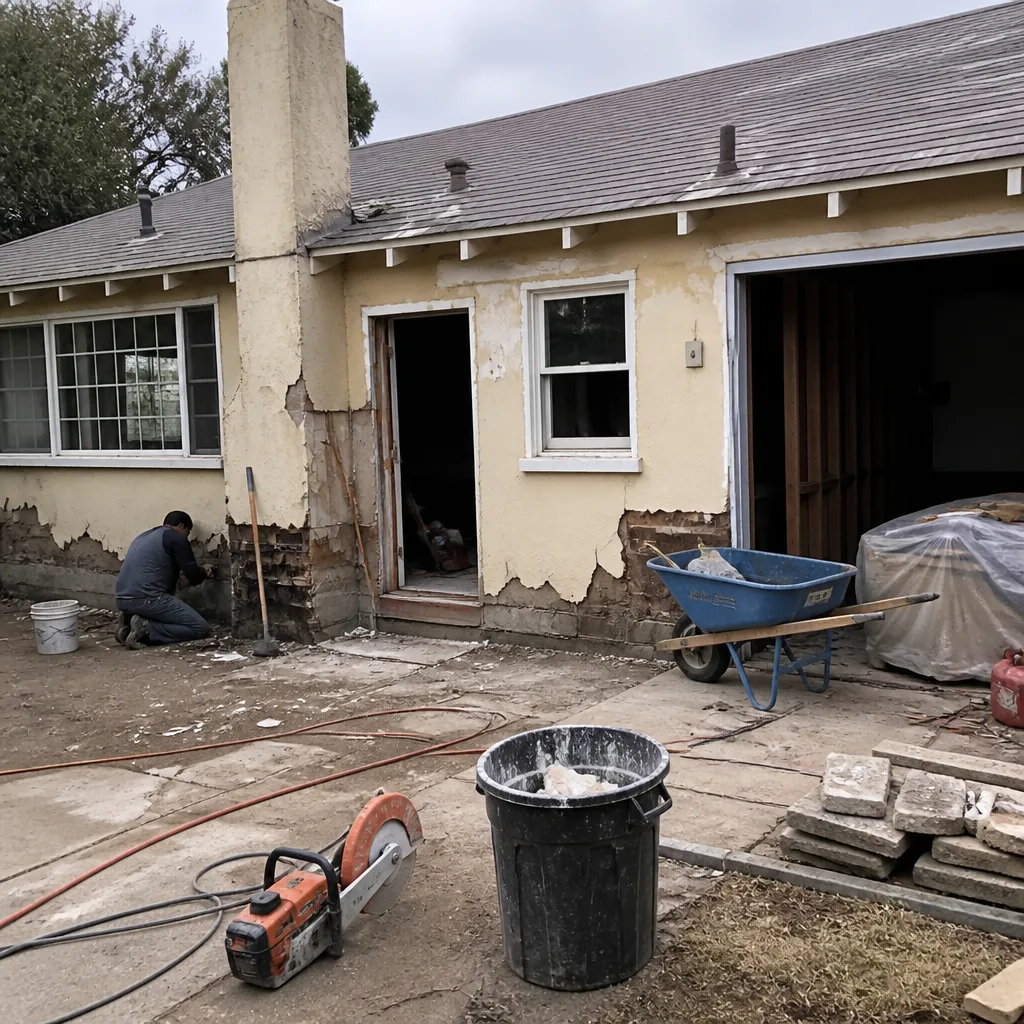 Before
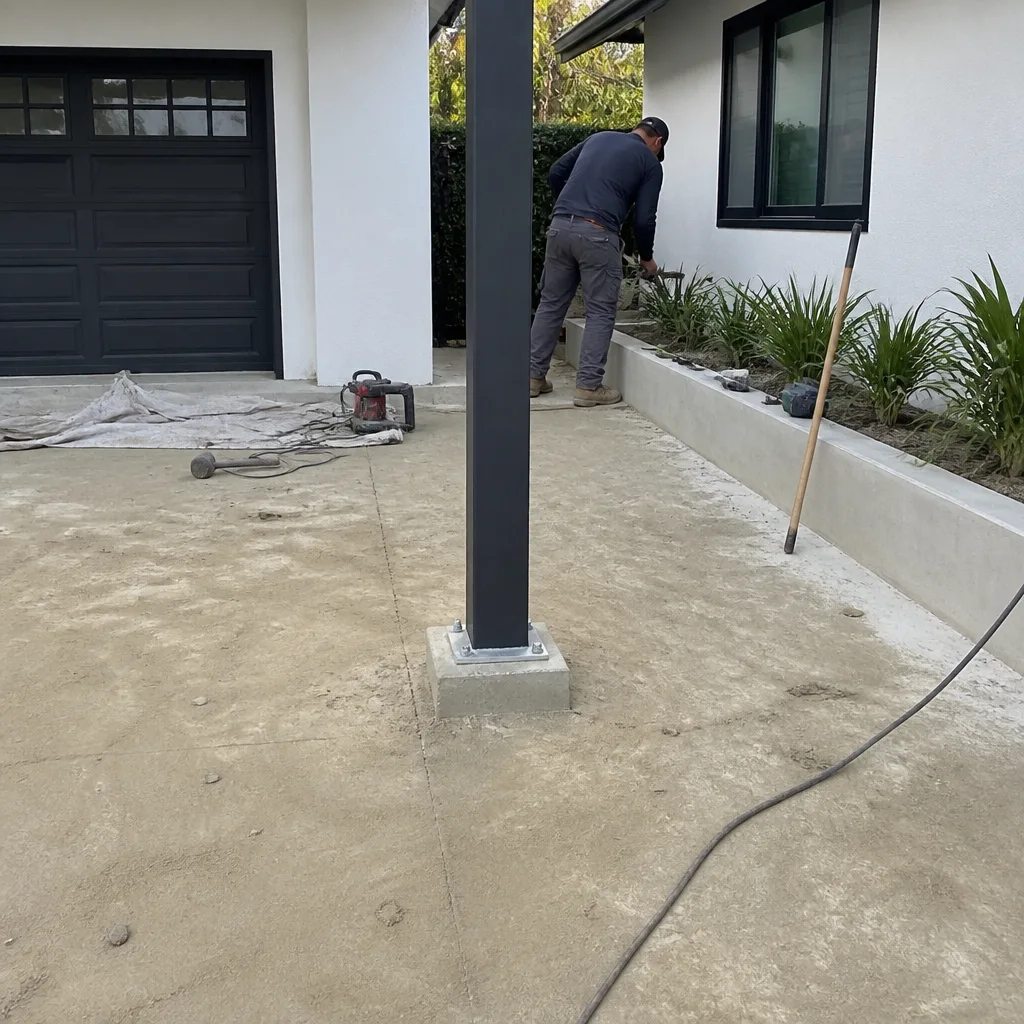 After
After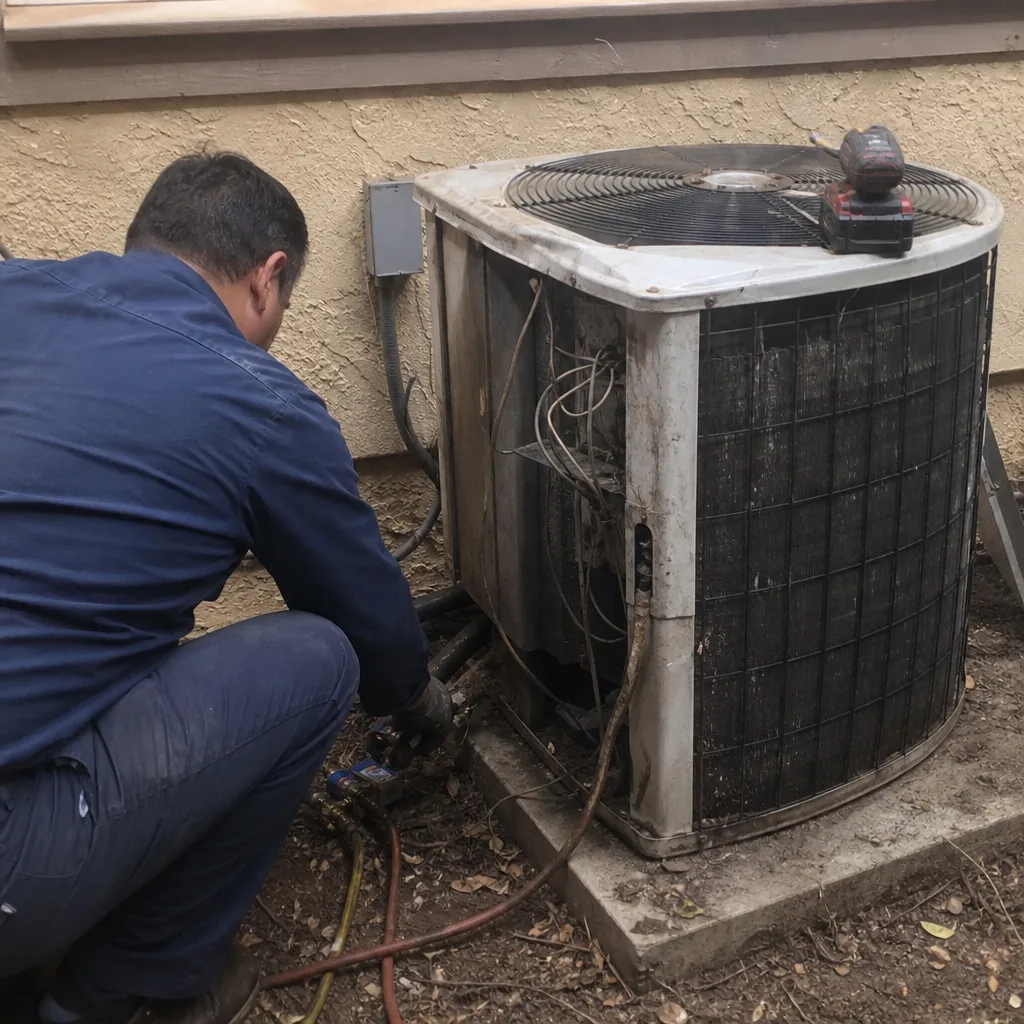 Before
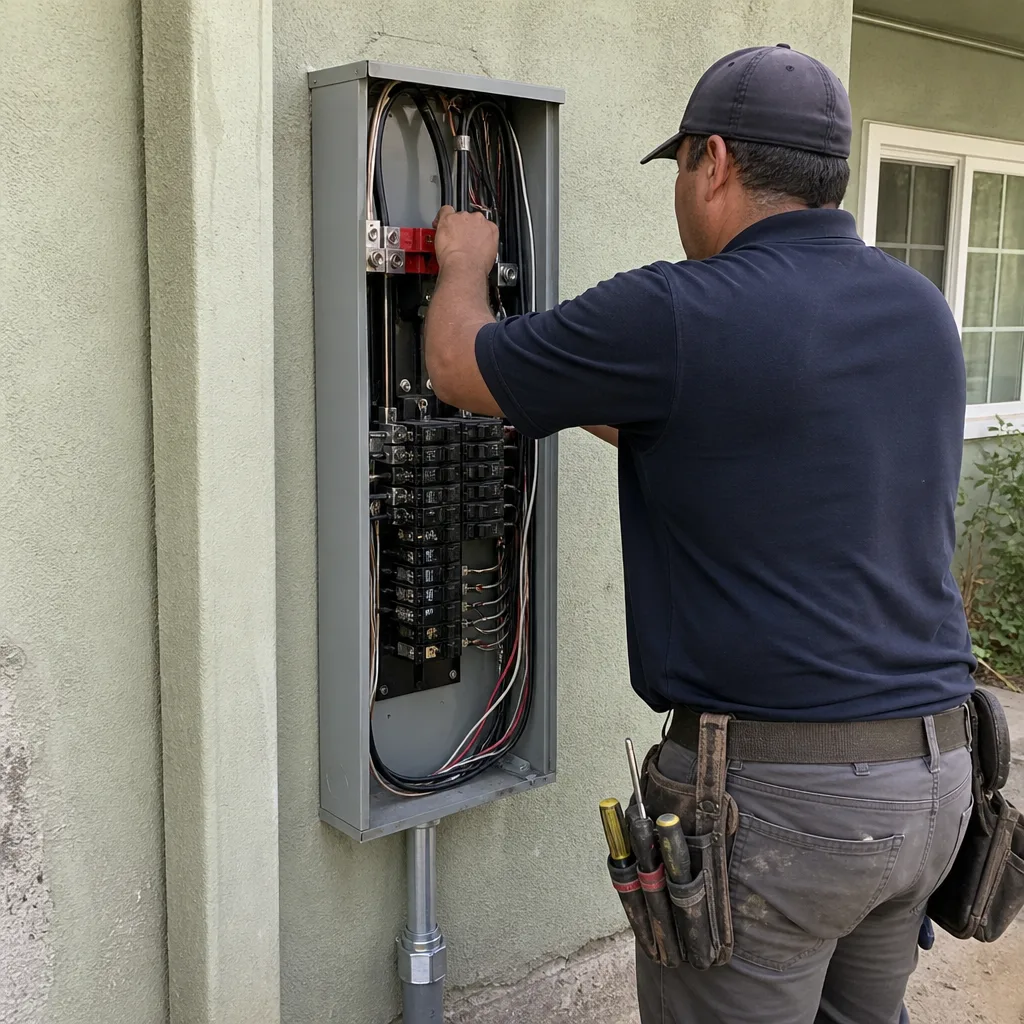 After
After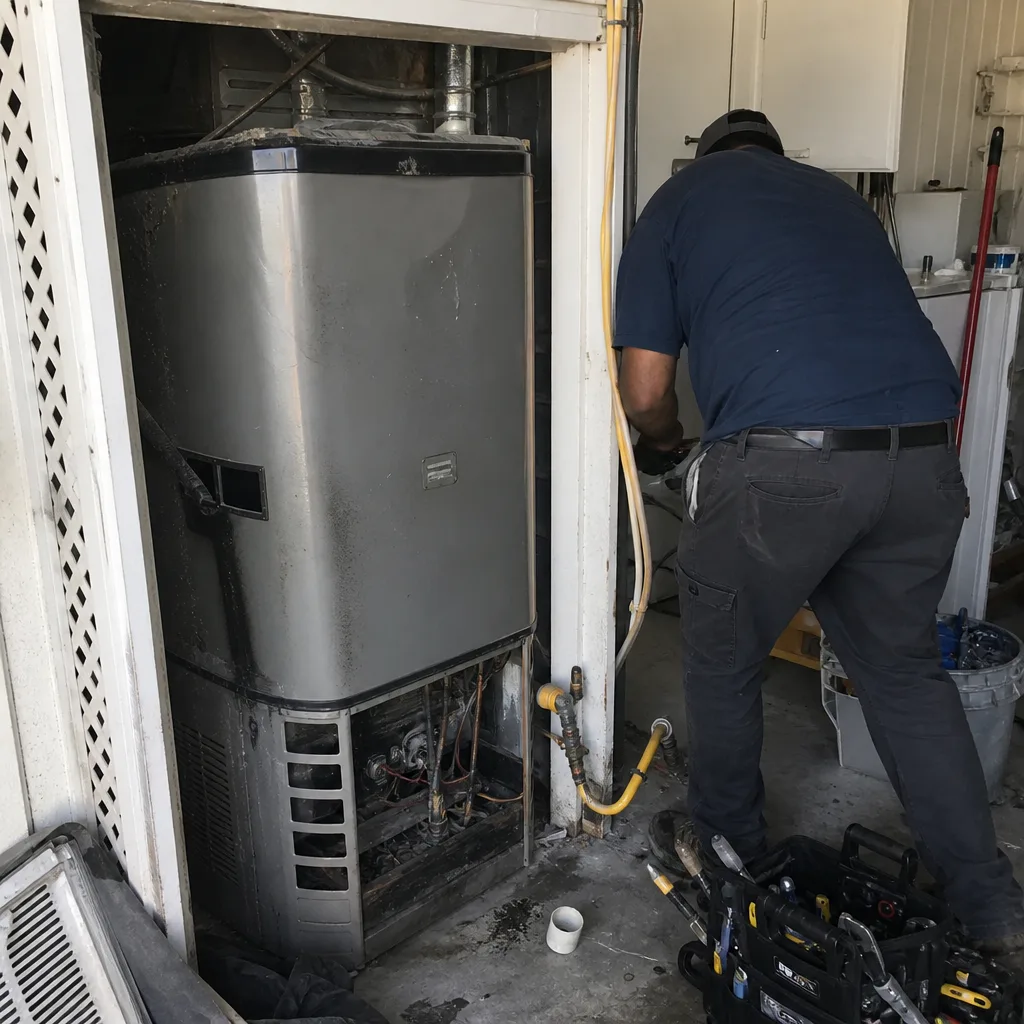 Before
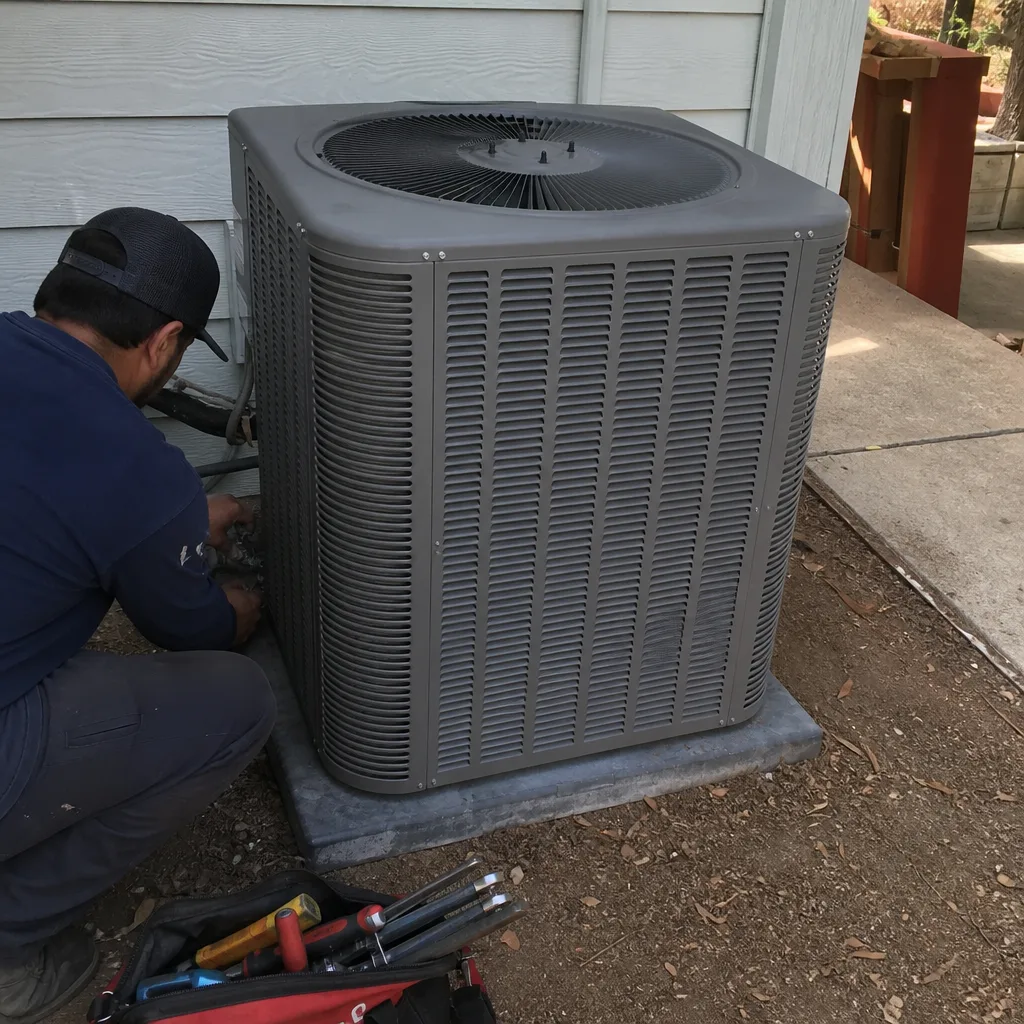 After
AfterReplacement Cost & What’s Included
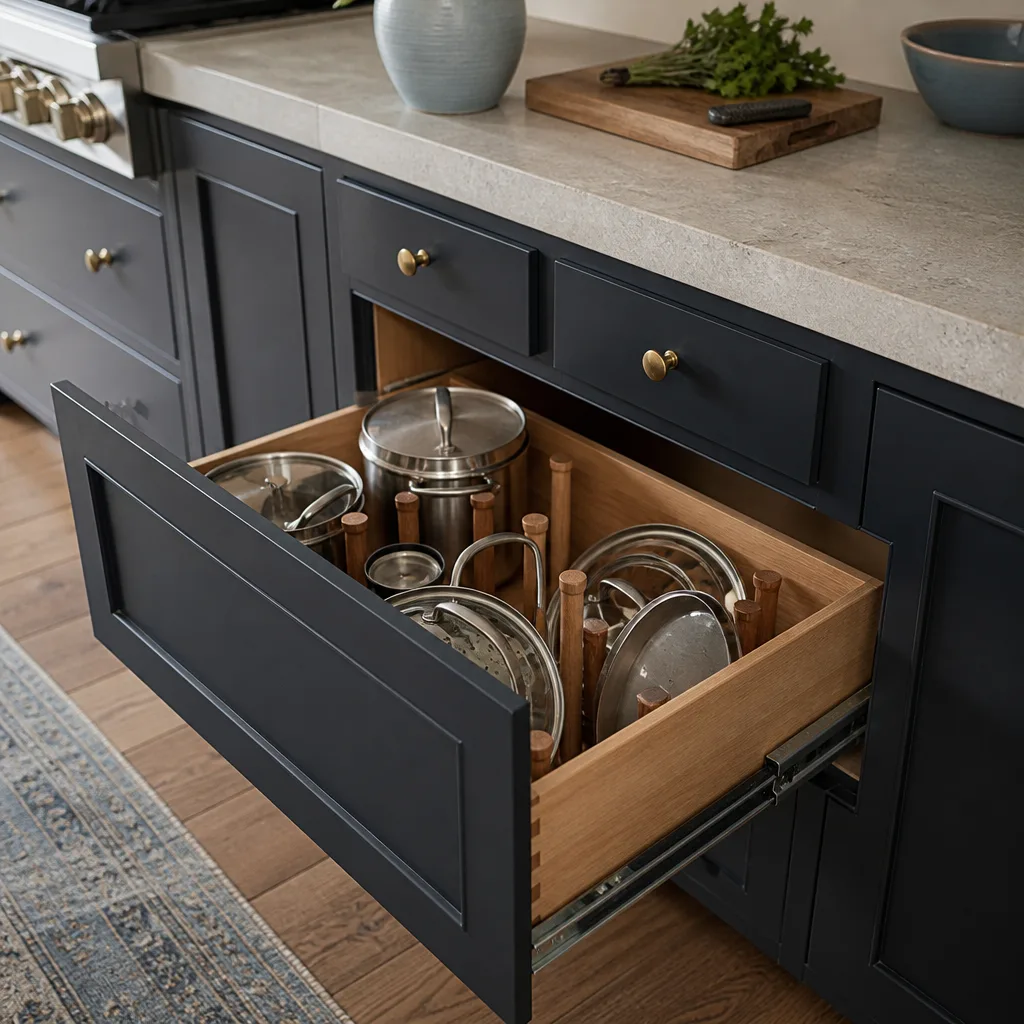
In Woodland Hills, a full Owens Corning kitchen remodeling project runs $14,000 – $45,000. That’s the all-in range covering demolition, insulation replacement, drywall repair, cabinet installation, countertops, and finish work. The insulation-specific portion of a kitchen remodel usually lands between $800 and $3,500 depending on how much wall cavity access is needed and whether the ceiling joist bays above the kitchen are reachable from an attic.
| Scope | Price Range |
|---|---|
| Full kitchen remodel with Owens Corning insulation replacement | $14,000 – $45,000 |
| Small kitchen remodel (galley or single-wall) | $9,000 – $20,000 |
| Countertop installation (Cambria, Silestone, or Caesarstone) | $2,000 – $6,500 |
| Backsplash installation | $800 – $2,500 |
| Kitchen island installation | $3,000 – $10,000 |
| Cabinet installation (KraftMaid or Wellborn) | $4,000 – $13,000 |
The range comes down to three things: how much of the existing wall and ceiling has to be opened, whether the cabinets are being reused or replaced, and what countertop material you choose. A galley kitchen with existing cabinets you’re keeping and only the sink wall opened for insulation replacement sits near the bottom of the range. A full gut with an island, stone tops, and ceiling work sits at the top. You’ll get a written line-item price before any work starts, no change orders unless you ask for a change, and no surprises at the invoice. The 365-Day Done Right Promise covers everything we touch for a full year after the project closes.
DIY or Call Us?
There’s an honest line here. If you want to identify whether you have Owens Corning material in your walls, pull a switch plate and look. If you want to replace a single water-damaged batt behind an accessible cabinet back, and you’re comfortable with a utility knife and a little drywall patching, that’s doable for a careful homeowner. Fiberglass insulation isn’t dangerous in the way a garage-door spring is, though you should wear gloves, a mask, and eye protection. The lung irritation is real, even if it’s not life-threatening.
What you shouldn’t DIY is a moisture-damaged wall cavity, a vapor barrier that has failed behind the drywall, or any insulation that’s been wet for more than a few days. Wet insulation in an enclosed wall cavity breeds mold faster than most people realize, especially in Woodland Hills where the temperature swings between day and night keep condensation cycling. Cutting into a wall to find mold and discovering it’s spread behind the cabinets is the point where a $200 weekend project becomes a $4,000 remediation job. We’d rather you call (341) 217-2776 before you open that wall. The estimate is free, and at minimum you’ll know what you’re dealing with.
FAQs
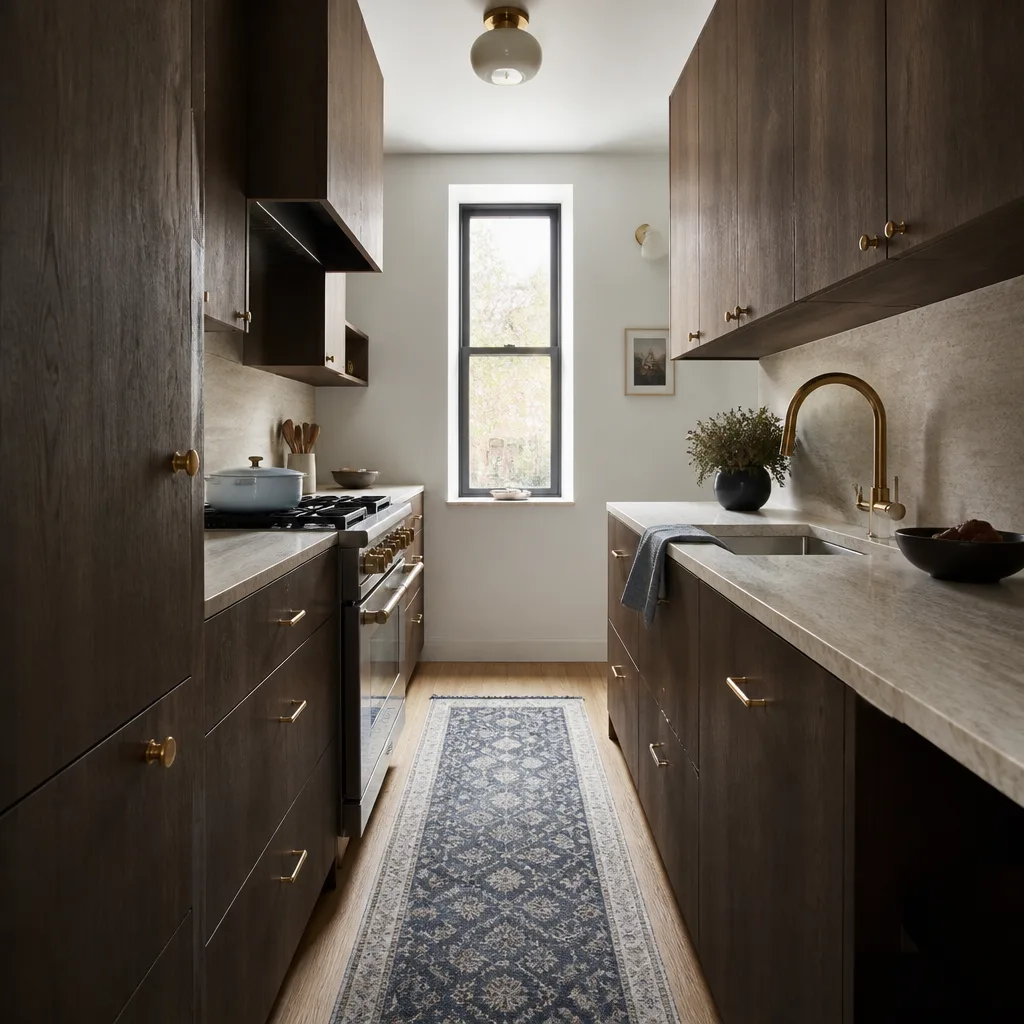
In a dry, properly sealed Woodland Hills wall cavity, Owens Corning fiberglass batts last 20 to 30 years with no meaningful loss of R-value. The failure point isn’t the fiberglass itself; it’s moisture exposure, rodent activity, or improper installation that lets the batt settle. Homes in the hillside neighborhoods above Topanga Canyon Boulevard, which get more morning marine layer and more critter pressure, often see problems by year 12 or 15. Call (341) 217-2776 for an assessment.
Yes, in limited cases. A single settled batt in an accessible stud bay can be re-installed or replaced without touching the rest of the kitchen. A vapor barrier tear in one location can sometimes be patched. But once moisture has been present for weeks, repair stops being honest work. Wet insulation must be removed and the cavity dried and treated before new material goes in. We’ll tell you which situation you have during the free estimate.
A small kitchen with insulation replacement done correctly runs two to four weeks from demo to final walkthrough. A full kitchen with an island, stone countertops, and ceiling insulation work typically runs six to twelve weeks. The insulation portion itself, in isolation, is usually a one-to-two-day job once the wall or ceiling cavities are open. We’ll put the timeline in writing before any work starts.
Yes. Our crews carry R-13 and R-15 EcoTouch batts, R-30 and R-38 ceiling batts, and Foamular rigid panels on most Woodland Hills service runs. If your job needs a specific product we don’t have on board, it’s usually available from local supply within one to two business days. We’ll let you know what’s coming and when before the crew arrives.
Written by Luca Romano, Owner, Sawyer Remodel Woodland Hills at Sawyer Remodel Woodland Hills, serving Woodland Hills and nearby areas.