Free written scope consultation - allowances, timeline, and change-order rules on paper before a single trade is scheduled
CWS Home Additions & ADU: The Woodland Hills Owner’s Guide
If your CWS home addition or ADU is showing real problems – cracked foundation lines, failing tie-ins, water intrusion at the seam where new meets old – you’re looking at a repair bill in Woodland Hills that typically lands between $45,000 and $130,000 depending on how far the damage has spread. We stock and install CWS-compatible structural components, and we can usually get a crew out to diagnose the problem within a few days. Most owners find out something’s wrong the hard way: a door that suddenly won’t latch, a drywall crack that keeps growing, or a musty smell in the corner where the addition meets the original house.
Sawyer Remodel Woodland Hills is an independent contractor, not affiliated with CWS. What that means for you is pretty simple: we can match, price, and install what your addition or ADU needs without being tied to a single supplier’s catalog.
Here’s the part most guides skip: a CWS addition isn’t a standalone product. It’s a structural system tied to your existing foundation, framing, roofline, and waterproofing. When one element fails, it takes others with it. The repair isn’t just “fix the crack” – it’s figuring out why the crack happened, whether the load path shifted, and what else moved with it. That’s the work we do every week in Woodland Hills.
Which CWS Models This Applies To
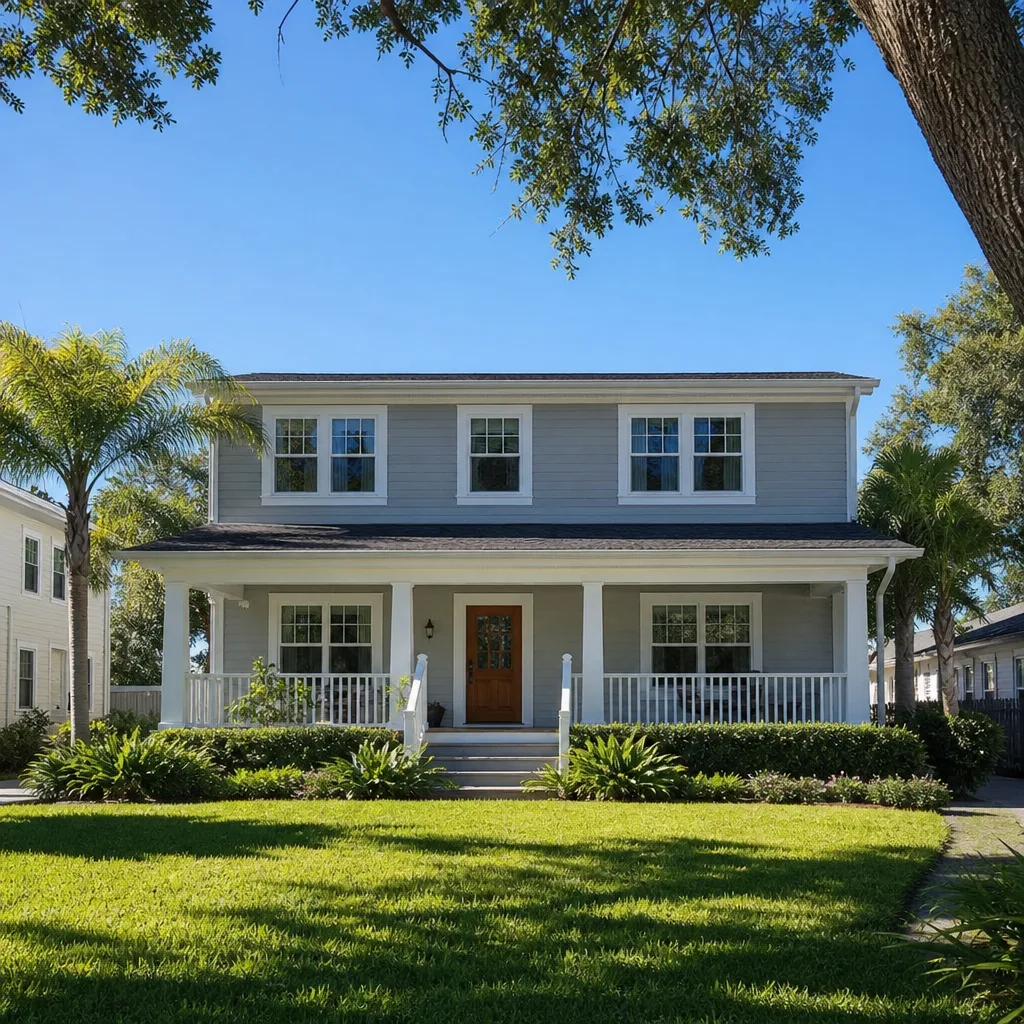
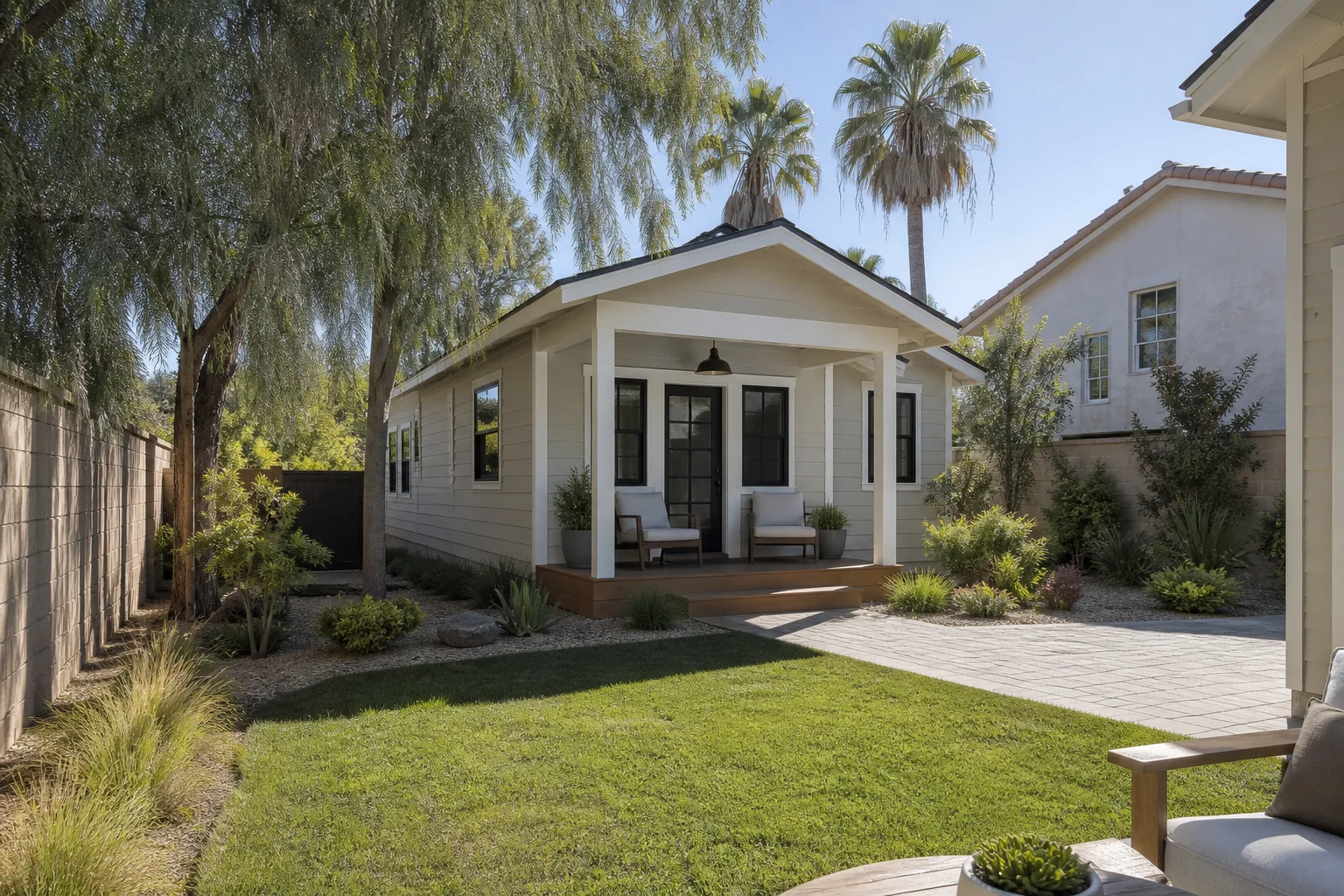
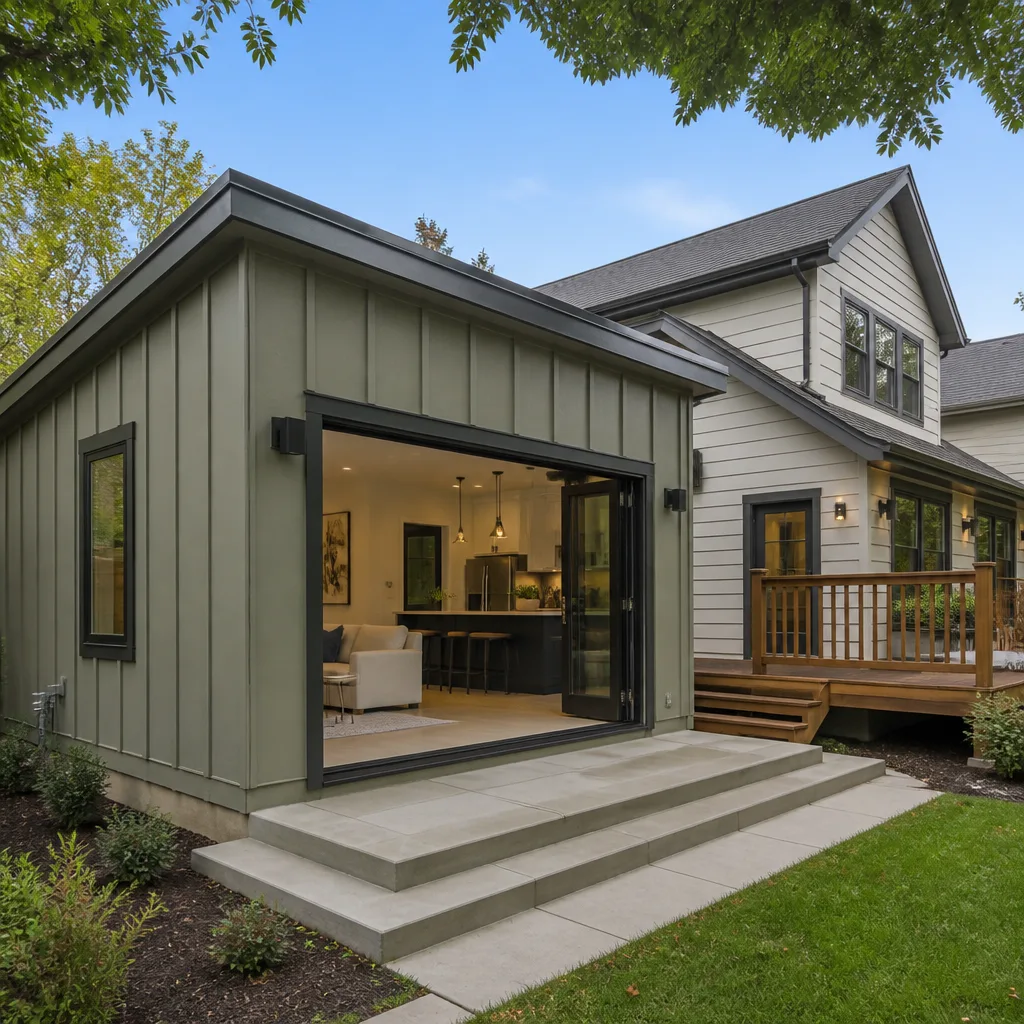
CWS home additions and ADUs in the Los Angeles market generally fall into three construction types: stick-frame room additions (most common in the Valley), prefab or panelized ADU systems, and garage conversions with reinforced headers. Each one has different failure points and different compatibility requirements when you’re sourcing replacement parts like connectors, shear panels, sill plates, or waterproofing membranes.
The first thing we need to identify is whether you have an original CWS-specified component or a field substitution. If the addition was built before roughly 2015, you may have Simpson Strong-Tie or USP connectors that were spec’d to original CWS engineering drawings. After that, many CWS projects used proprietary panelization, which means generic off-the-shelf parts sometimes don’t match the fastener schedule. We verify this by checking the original plans (if you have them), pulling a few fasteners to confirm sizing, and measuring the actual framing spacing rather than assuming code minimum. The local gotcha: Woodland Hills sits in Seismic Design Category D, which means retrofit connectors have tighter spacing and higher shear load requirements than what’s listed in generic catalogs. If someone quotes you a part number without checking the seismic schedule, walk away.
OEM CWS-specified parts versus quality aftermarket equivalents: for structural connectors and anchors, we recommend staying with Simpson or MiTek products that meet or exceed the original spec. For waterproofing, flashing, and sealants, we stock Polywall, Grace Vycor, and Sika products – all well-proven in Southern California’s dry-heat-plus-winter-rain cycle. For anything involving the roof tie-in on a CWS addition, we use only materials rated for the specific pitch and exposure, because that’s where premature failure always shows up first.
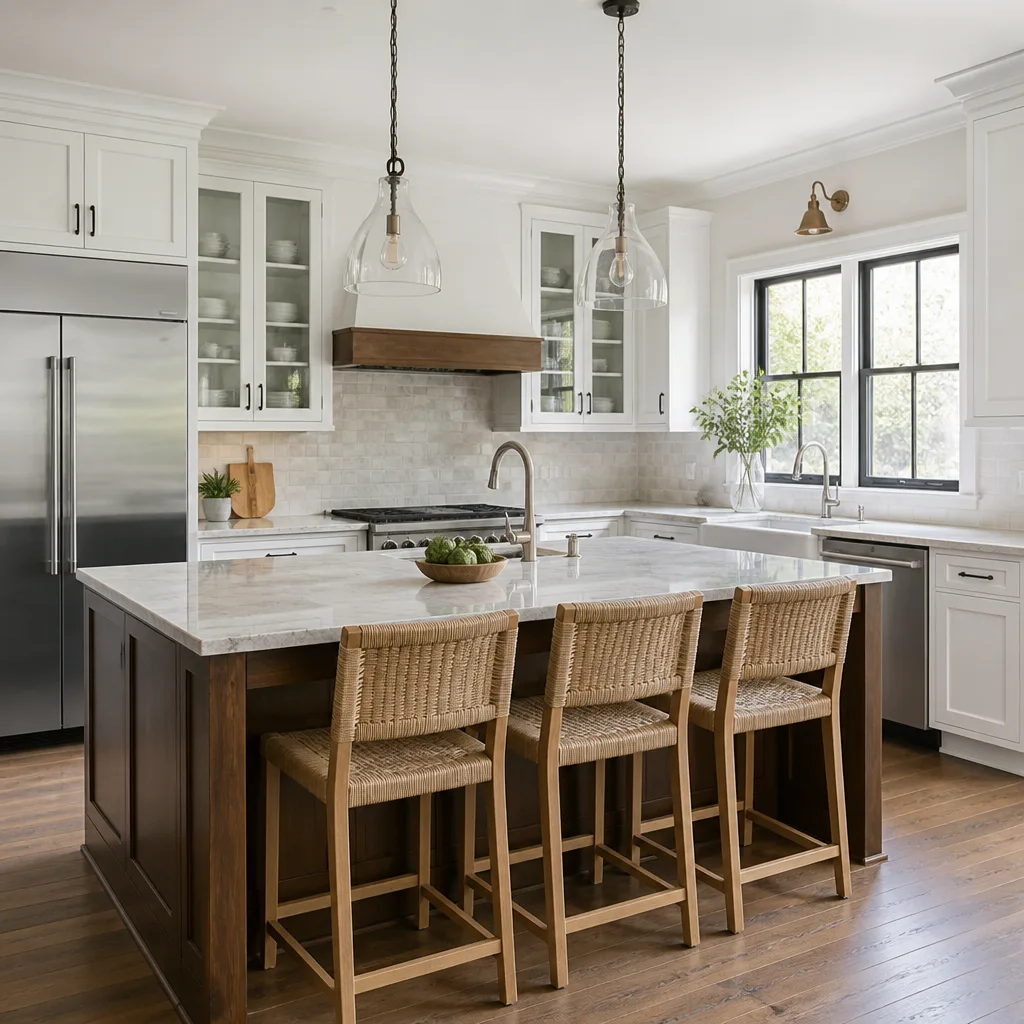
We also carry compatibility parts for KraftMaid, Cambria, and Silestone finishes that are common inside CWS additions – so if the structural repair means replacing a countertop run or cabinetry that got damaged, we can match it without sending you to three different suppliers.
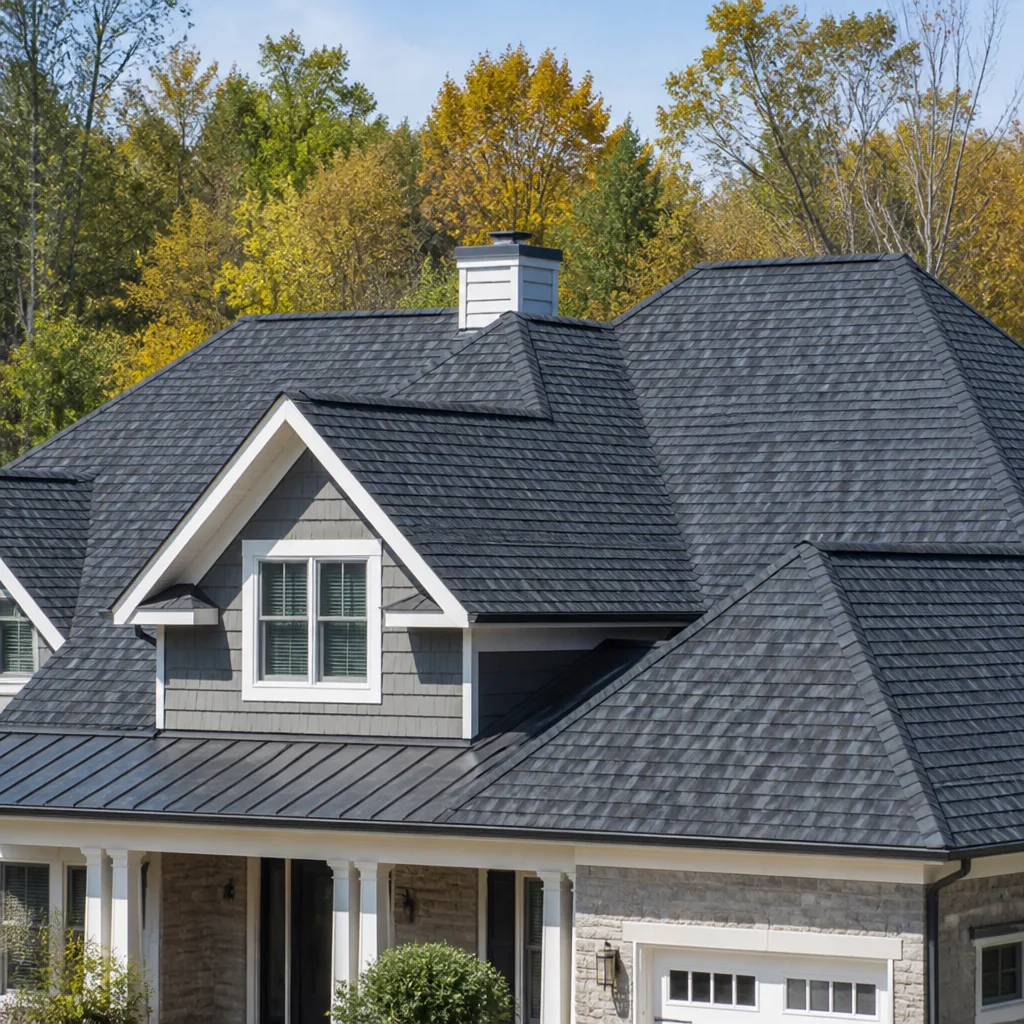
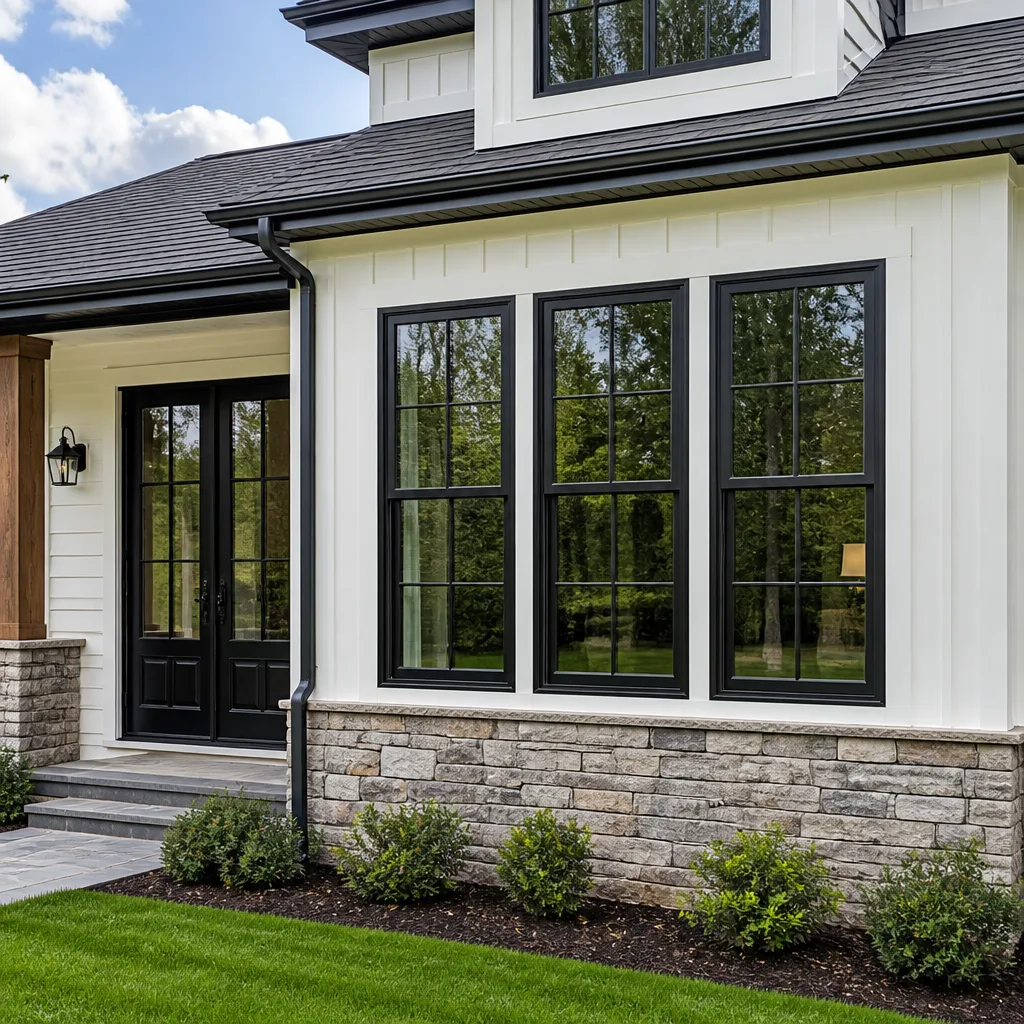
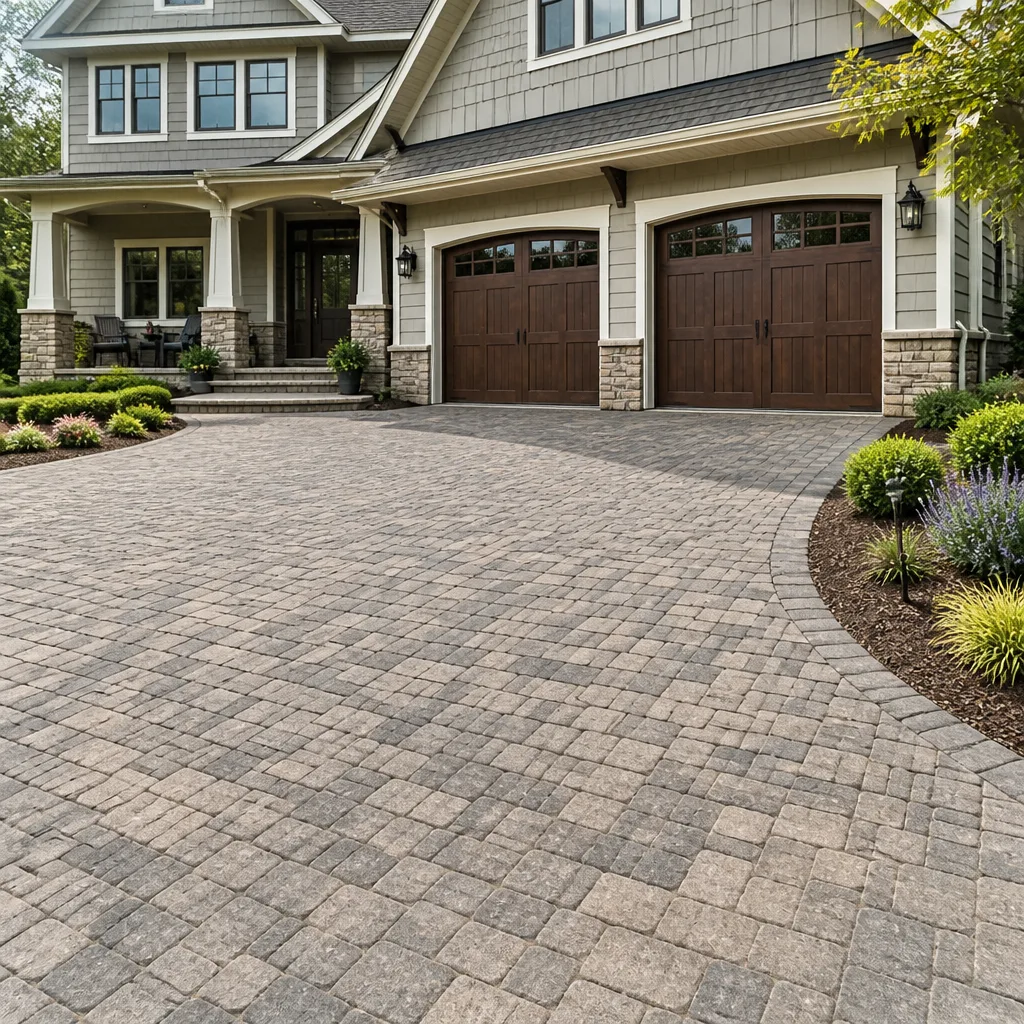
Styles & brands we work with
Signs Your CWS Home Additions & ADU Is Failing
- Diagonal drywall cracks near the tie-in wall (where the addition meets the original house). This is usually differential settling – the addition’s foundation can settle at a slightly different rate than the original slab. In Woodland Hills we see this more often on hillside lots along Topanga Canyon Boulevard, where one corner of an addition sits on fill that compacts over time. If the crack grows past 1/16 inch, the movement is active.
- Doors or windows that bind or won’t latch. That’s a frame racking symptom. When a CWS addition shifts, the rough openings can get out of square, and no amount of hinge adjustment fixes it. You’re feeling the structure move.
- Water staining or musty smell at the roofline tie-in. This is the classic CWS addition failure in the Valley. The roof transition between the new peak and the original shingles was never properly flashed, or the flashing has failed after years of heat cycling. Once water gets into the eave, it wicks down through the framing and shows up three feet away on the ceiling.
- A floor that feels springy or slopes across the new space. That tells us the joist sizing or the beam connection at the ledger isn’t holding. In some older CWS installations we’ve seen the original ledger bolts were spaced too far apart for the live load the room now carries. This becomes urgent if the room above is high-traffic or holds heavy furniture.
- Visible gap between the addition’s slab and the exterior wall sill plate. In the dry seasons, Woodland Hills clay soil shrinks and expands with moisture. Over time that movement can create a gap that lets air, insects, and moisture into the wall cavity. If you can slide a putty knife in that gap, it’s time for an inspection.
You don’t need all five signs to know something’s wrong. One worsening symptom is enough to justify a diagnostic visit.
See the difference
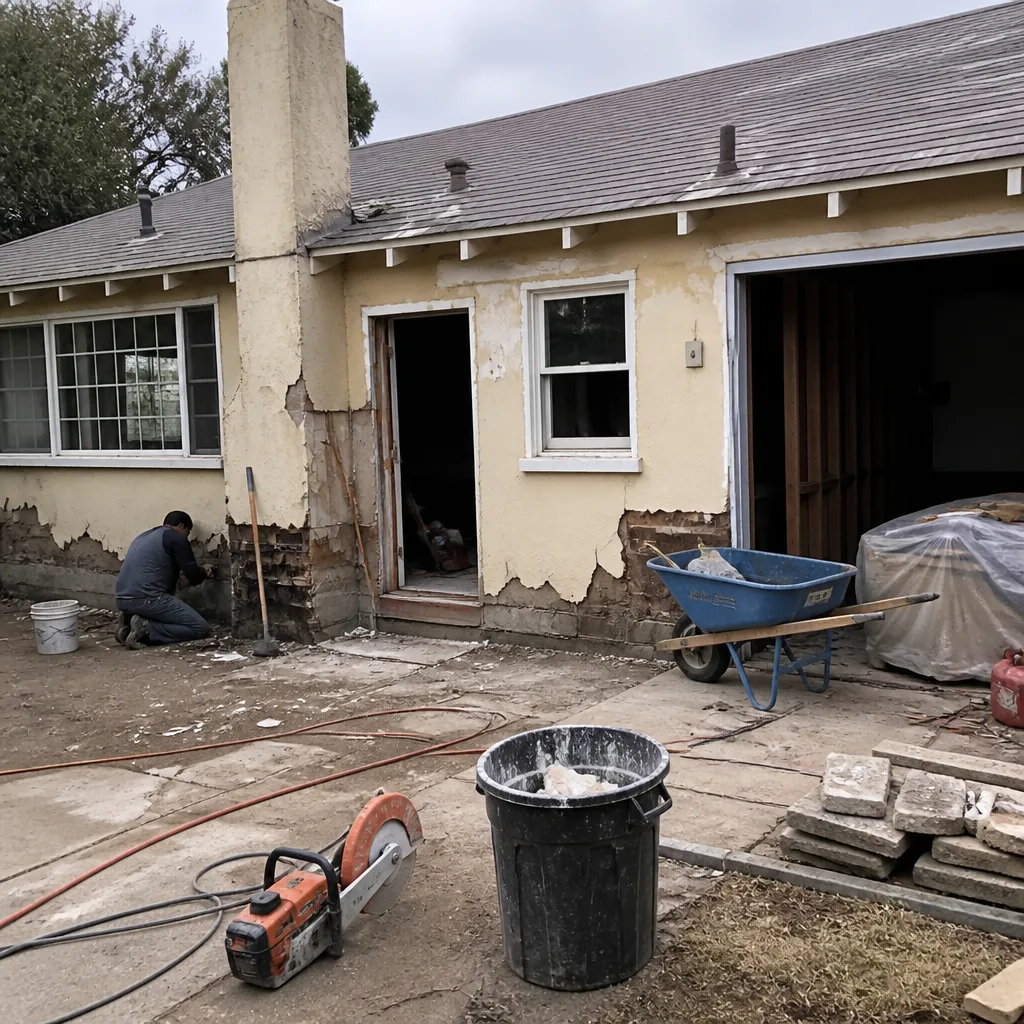 Before
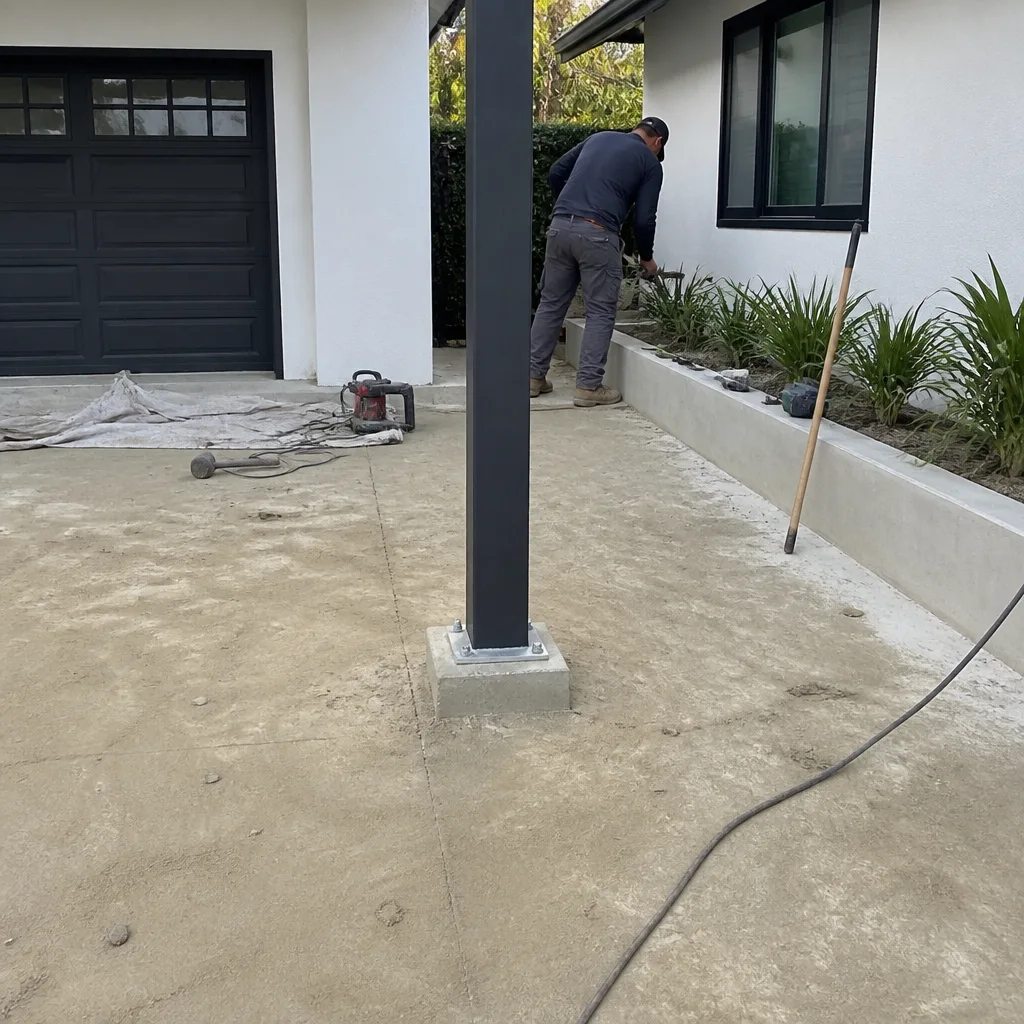 After
After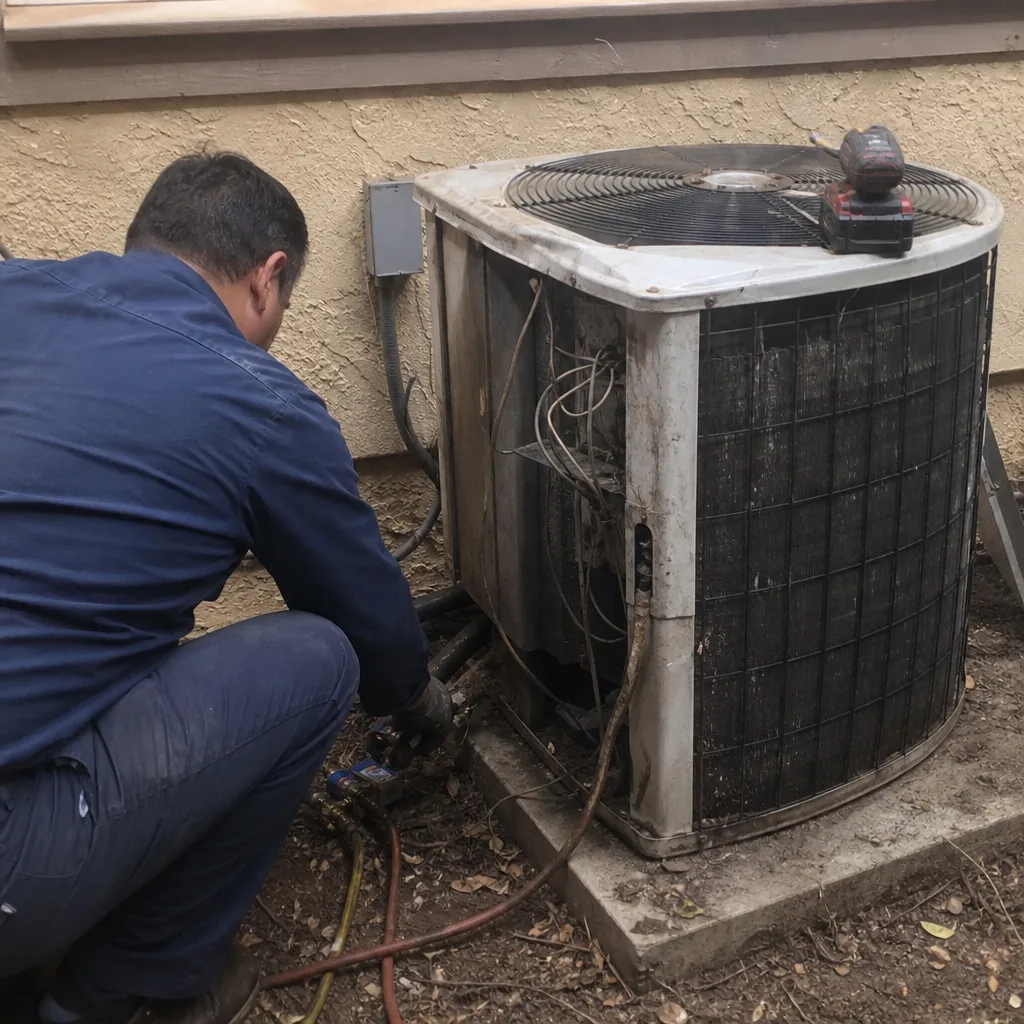 Before
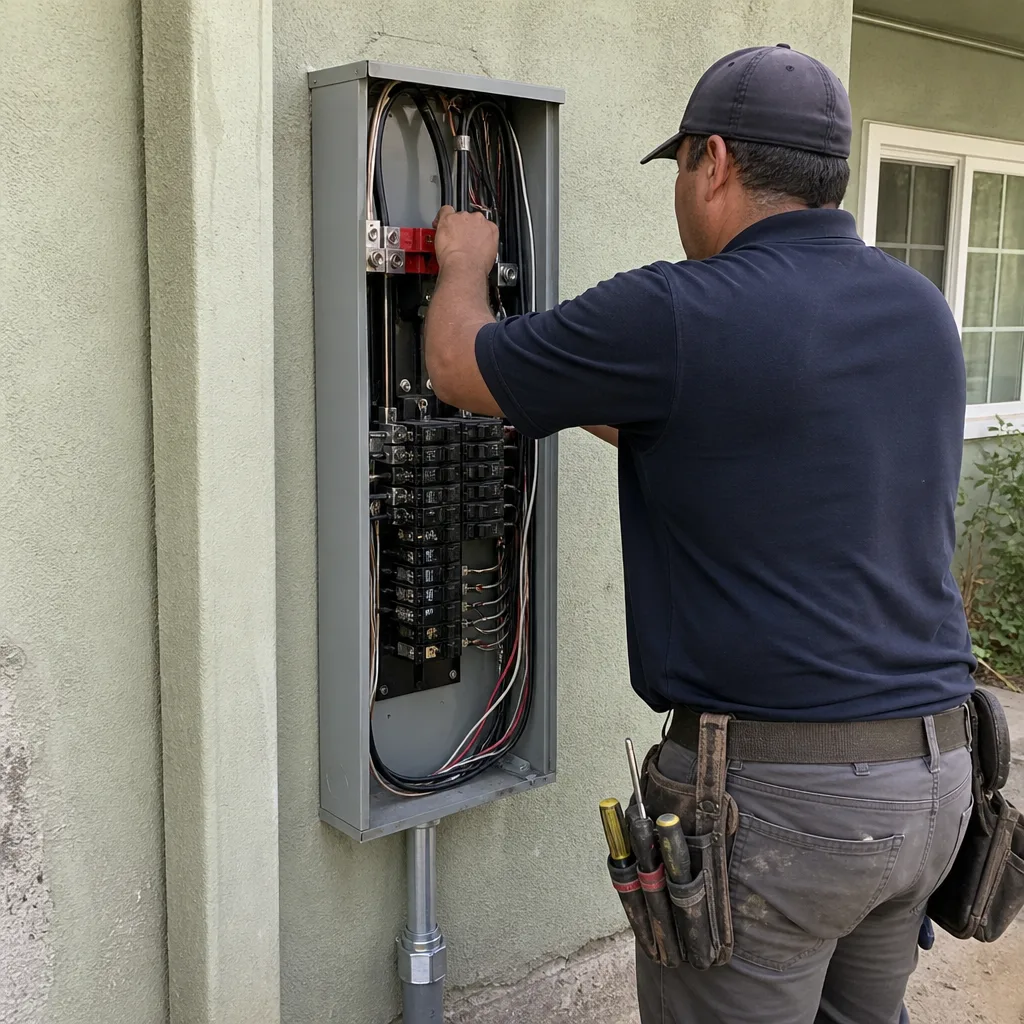 After
After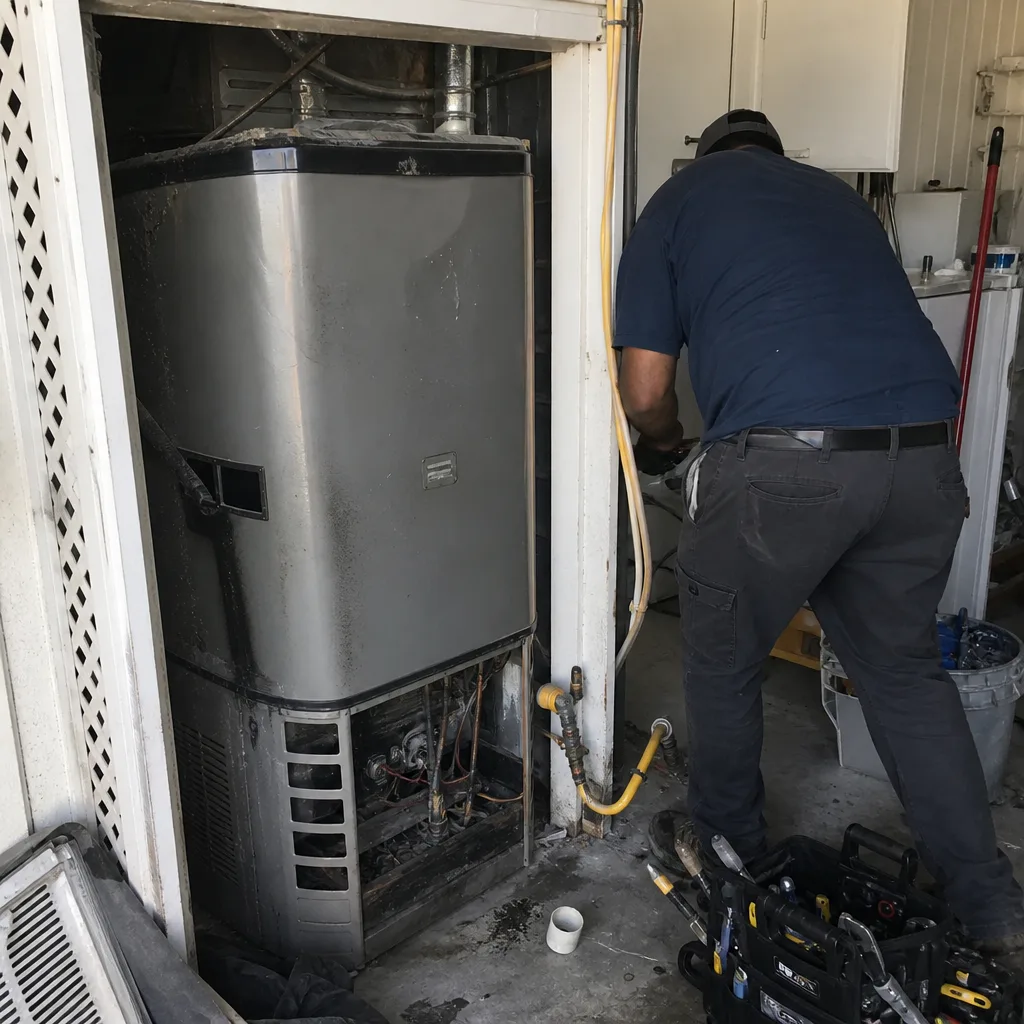 Before
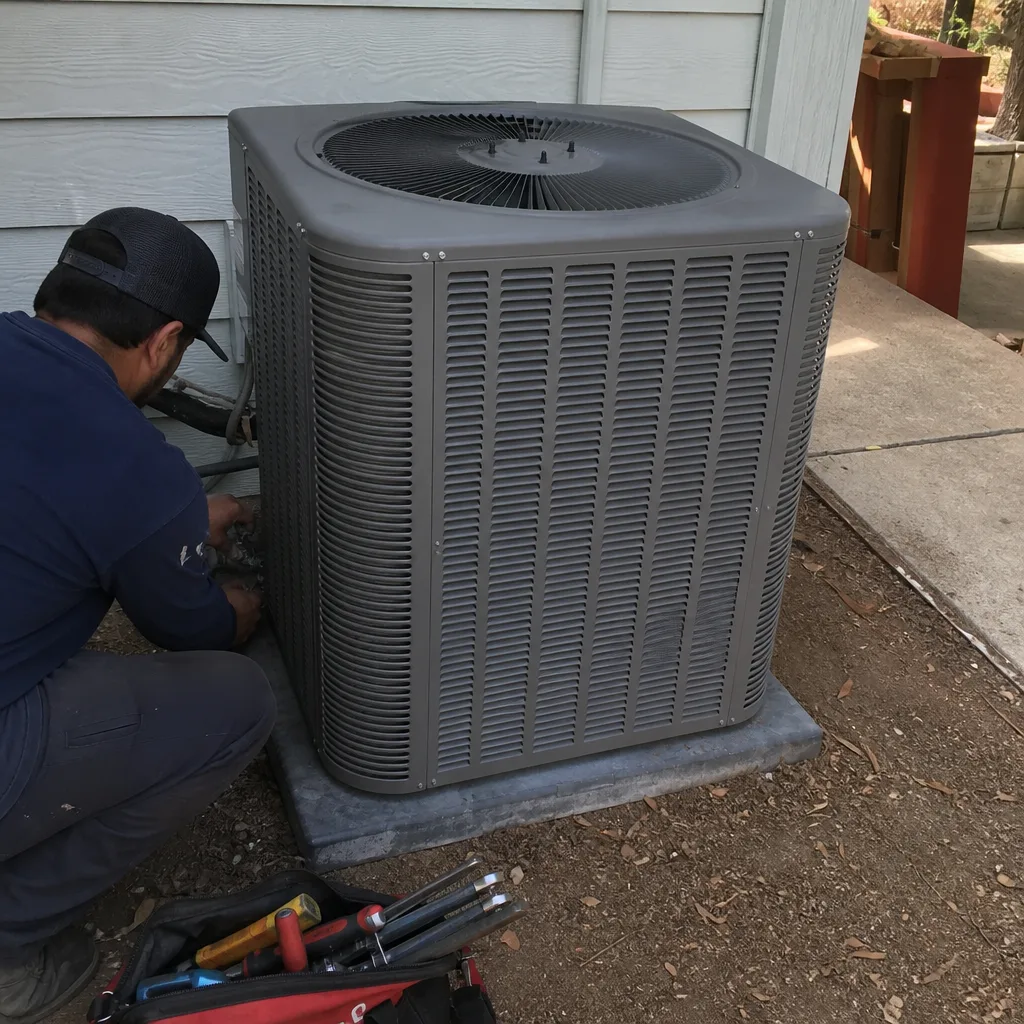 After
AfterReplacement Cost & What’s Included
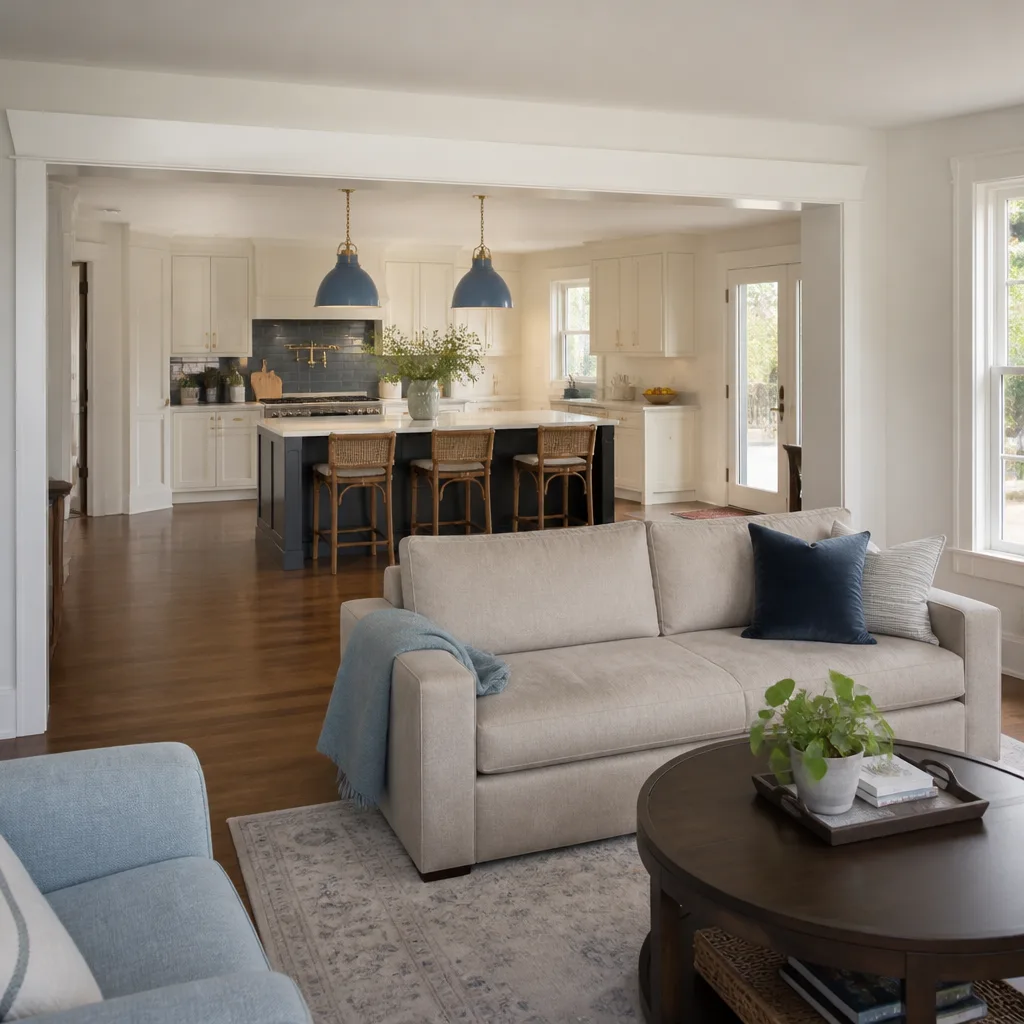
In Woodland Hills, CWS home addition repair or replacement work runs from $45,000 up to $130,000 for a full-scale rebuild of the failed systems. Small, focused repairs – like re-flashing the roof tie-in and replacing water-damaged sheathing – can start lower, but once you’re into foundation or framing correction, the scope grows fast. ADU construction from scratch on your lot in the same area runs $90,000 to $220,000.
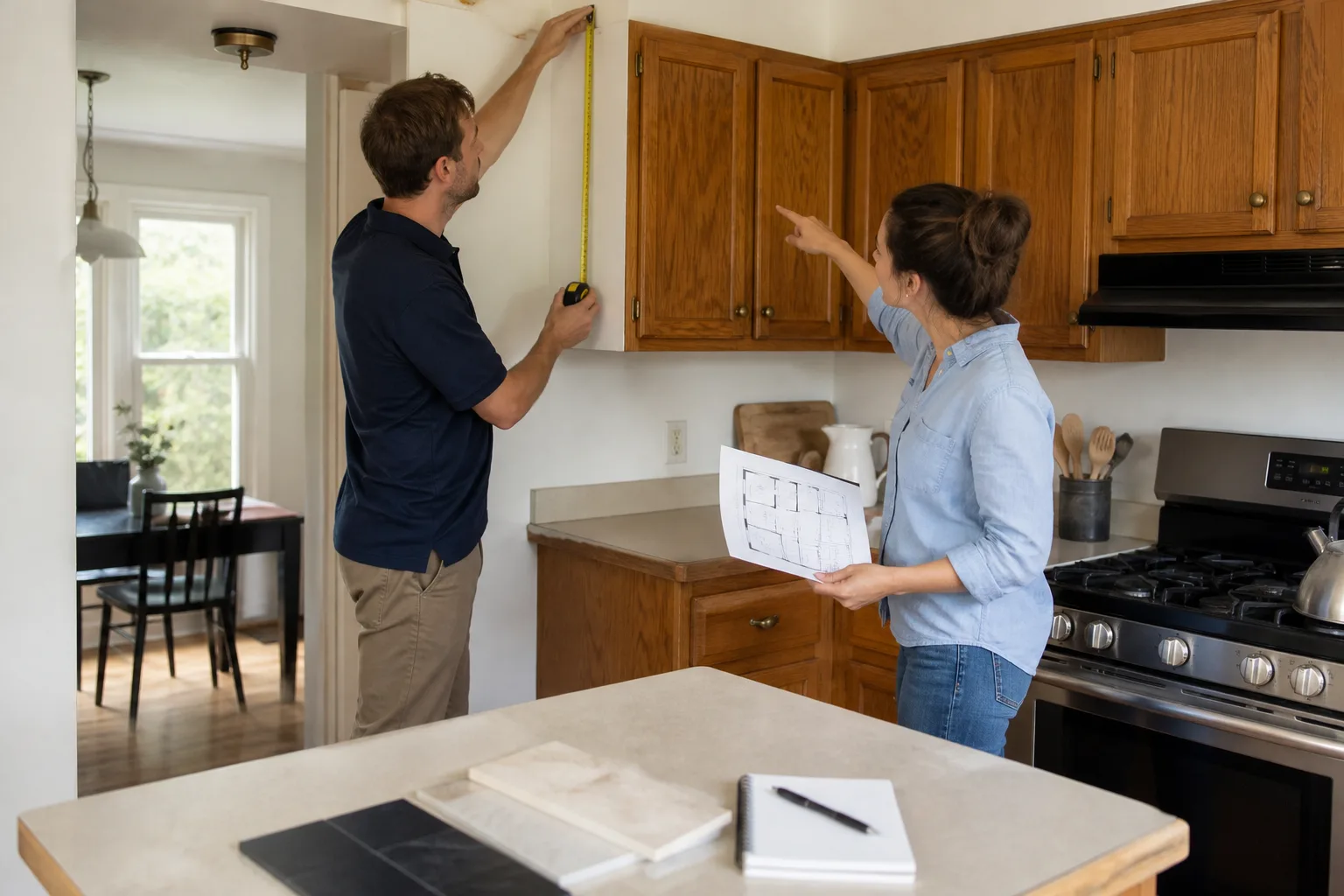
Here’s what we’ll write down for you before any work starts: line-item materials, the labor, the crew hours, and a finish date. The number we write is the number you pay. No change orders because we “found something” unless you approve a written revision first. That’s the Relay Visibility Guarantee – live arrival time, photo updates before and after, and a written price before a single tool is picked up.
The work itself is backed by our 365-Day Done Right Promise: if it’s not done right, we make it right. Full year, in writing, on every job. If a repair fails inside that window, the second visit is on us.
DIY or Call Us?
There’s a lot you can safely check yourself: mark any doorway cracks with a pencil and date to see if movement is active. Run a bead of caulk over a minor gap and watch if it splits. Check your gutters and downspouts for debris pushing water back toward the addition. Those diagnostics tell you if a problem is accelerating.
What you shouldn’t do is cut open a wall, adjust a ledger connection, or attempt any load-bearing modification without understanding the engineered load path. A CWS addition carries weight that was spec’d for specific spans and connections – and in a Seismic Design Category D zone like Woodland Hills, the connection details aren’t optional. The work tells you everything, and in this case what it usually tells us is that a homeowner with a reciprocating saw found the wrong wall to open first. If there’s any chance you’re dealing with structural movement, call (341) 217-2776 and let us put eyes on it before you make it worse.
FAQs
A properly built CWS addition should last 50 years or more structurally, but waterproofing components and sealants in the Southern California heat typically need replacement every 10 to 15 years. Roof flashing, caulked seams, and below-grade waterproofing go first in this climate. Call (341) 217-2776 for a free diagnostic and we’ll check the seals before they fail.
Yes, in most cases. If the framing is sound and the foundation hasn’t moved beyond a recoverable tolerance, we can repair flashing, reinforce connections, re-square openings, and replace damaged sheathing without rebuilding the entire addition. The decision comes down to what an inspection finds. We’ll write you the scope and cost before any work starts.
A focused repair – flashing, sealing, and minor sheathing replacement – is typically 3 to 7 working days. A structural correction that involves foundation or framing work can run 2 to 6 weeks depending on permit timing and what we uncover. We give you a written timeline before we start, and we stick to it. Live arrival tracking and photo updates keep you informed the whole time.
We stock the most common CWS-compatible structural connectors, flashing, sealants, and waterproofing materials on our trucks. If your addition needs a specific seismic connector or a custom-fabricated flashing, we source it same-week in most cases. You won’t be left chasing parts across the Valley – that’s our job, not yours. Call (341) 217-2776 and tell us what you’re seeing. Estimates are free.
Written by Luca Romano, Owner, Sawyer Remodel Woodland Hills at Sawyer Remodel Woodland Hills, serving Woodland Hills and nearby areas.