Free written scope consultation - allowances, timeline, and change-order rules on paper before a single trade is scheduled
Jerith Roofing: The Woodland Hills Owner’s Guide
Jerith roofing parts in Woodland Hills typically run $400 – $1,800 installed depending on what failed, and yes, we can usually source and swap the part same week once we confirm the model. Most homeowners discover the problem the same way: a soft spot underfoot, a stain spreading across the ceiling after the first real rain in months, or granules collecting in the gutter after a Santa Ana wind event. The good news is a Jerith system uses standard roofing components we keep in steady supply.
We’re an independent service provider in Woodland Hills, not a Jerith corporate arm. That means we’re free to tell you honestly whether an OEM Jerith part matters or an equal-quality aftermarket equivalent will do the job for less.
Which Jerith Models This Applies To
Jerith roofing components generally fall into two camps: the flashing and trim systems used across their patio cover and carport lines, and the fastening hardware that anchors those structures to the home. The compatibility gotcha we see most often in Woodland Hills: Jerith’s older aluminum pan flashing from the mid-2000s has a 1-5/8 inch profile, while the current production runs measure 2 inches. If you order by eyeball, you’ll get the wrong part and it won’t seat correctly.
To confirm what you need, check the underside of any horizontal beam. Jerith stamps a four-digit date code plus a three-letter series code there. If the stamp is gone, measure the flashing channel width with a tape. For fasteners, Jerith uses a proprietary zinc-coated lag system on their heavier covers. A quality aftermarket stainless lag usually outlasts OEM here, especially within ten miles of the coast, where salt air eats zinc coatings faster than anywhere else in the Valley.
Our truck carries common Jerith-series flashing, gutter drops, and anchor brackets. The oddball sizes get ordered same day from a supplier we’ve used for years.
Styles & brands we work with
Signs Your Jerith Roofing Is Failing
- Water staining at the transition line. This is the seam where the Jerith cover meets the house wall. The flashing pulls away over time as the stucco and framing shift independently, and the first decent rain finds its way in.
- Loose or rattling anchor brackets. You hear it during wind events. The lag bolts have worked loose from repeated thermal expansion. Tightening helps short-term, but if the wood behind them is soft, you need a plate reinforcement.
- Buckling or sagging panels. Usually a sign the underlying purlins have warped or the original fasteners snapped. In Woodland Hills, this shows up on west-facing covers that bake all afternoon and cool fast at night.
- Granule buildup in gutters. A little is normal. A cupful after every rain means the shingle or cap sheet surface is breaking down and will start leaking within a season or two.
- Rust stains running down the support posts. The zinc coating on certain fasteners has failed and the steel beneath is corroding. On older patio covers, we find this at the base plate, where sprinkler overspray hits it every morning.
See the difference
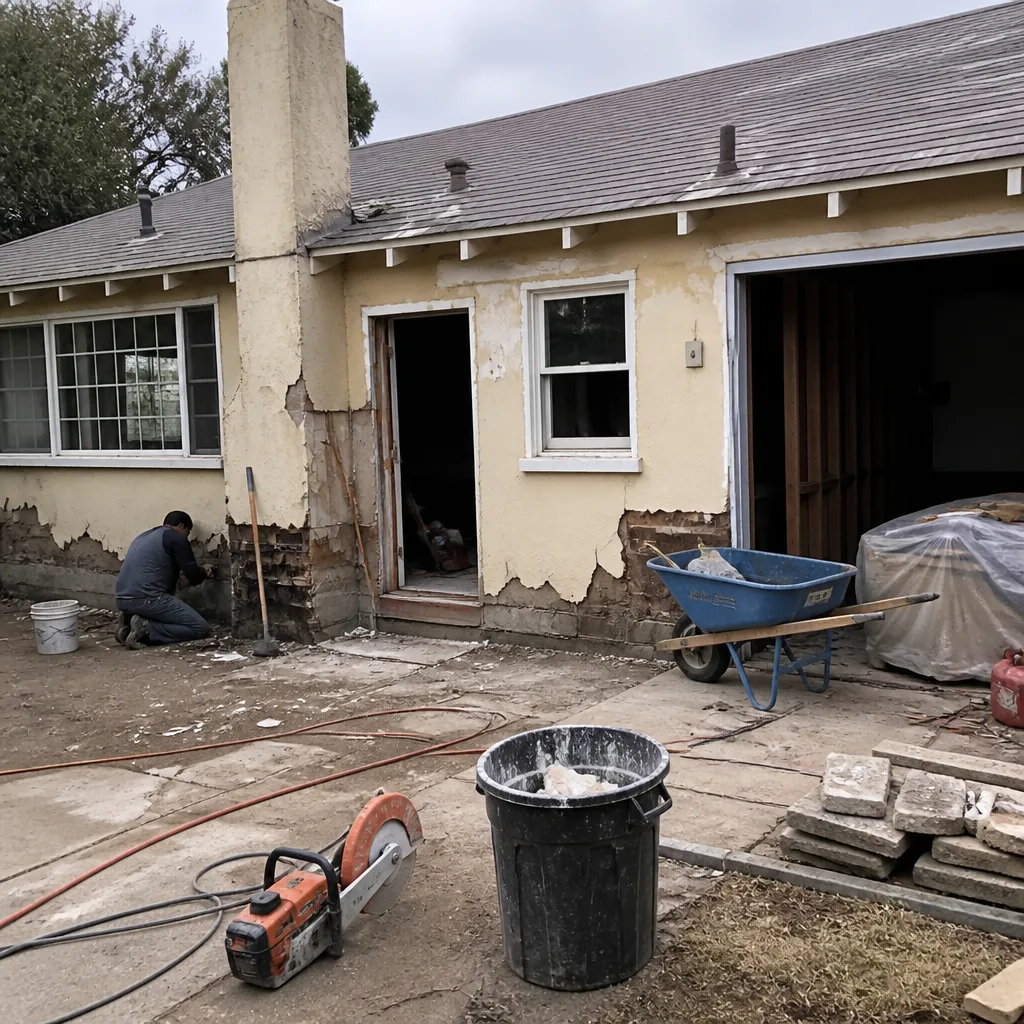 Before
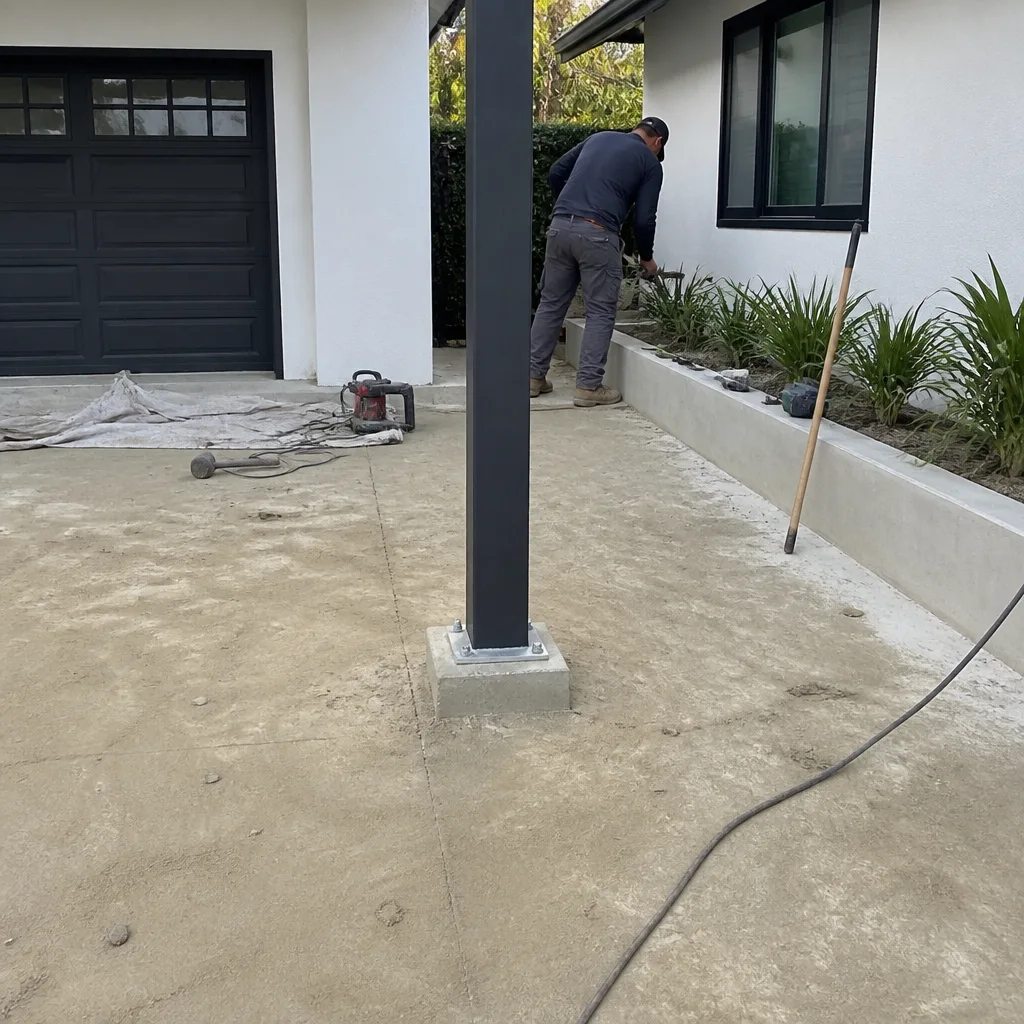 After
After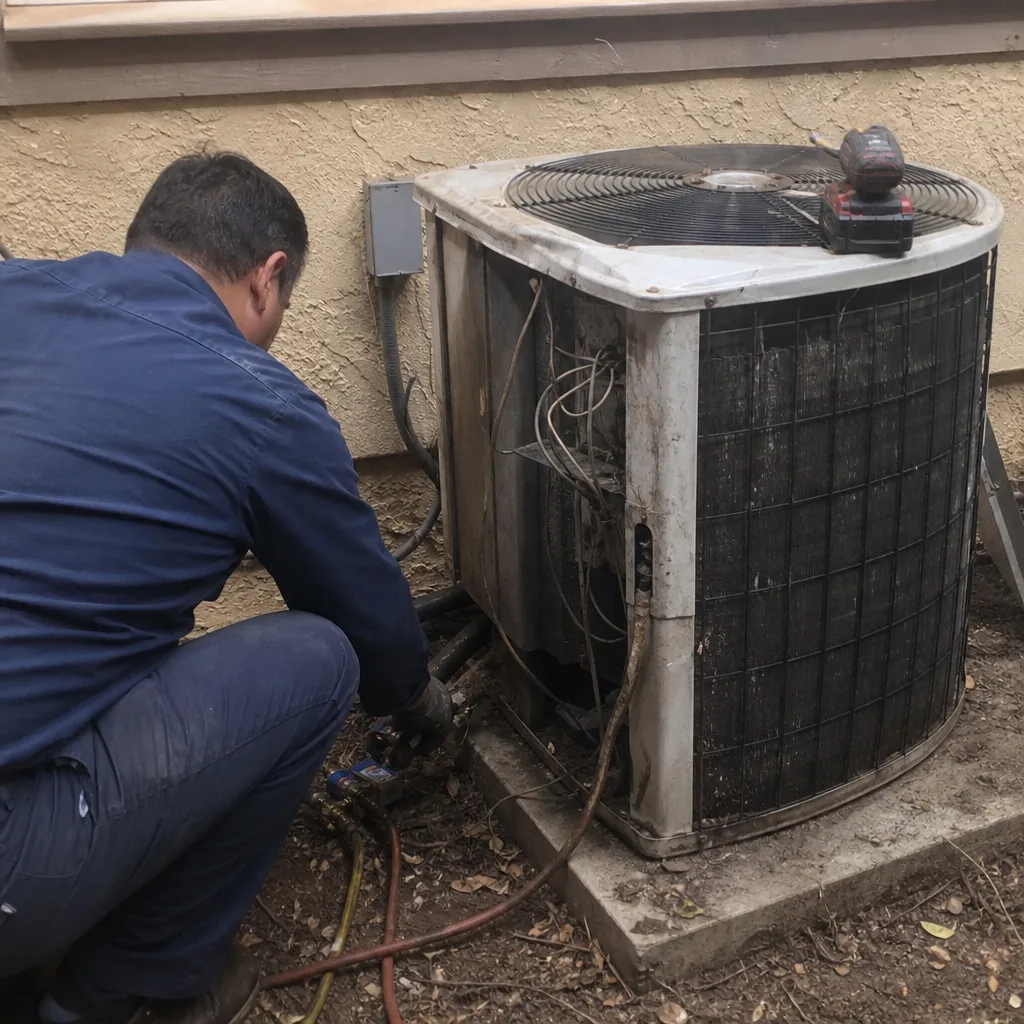 Before
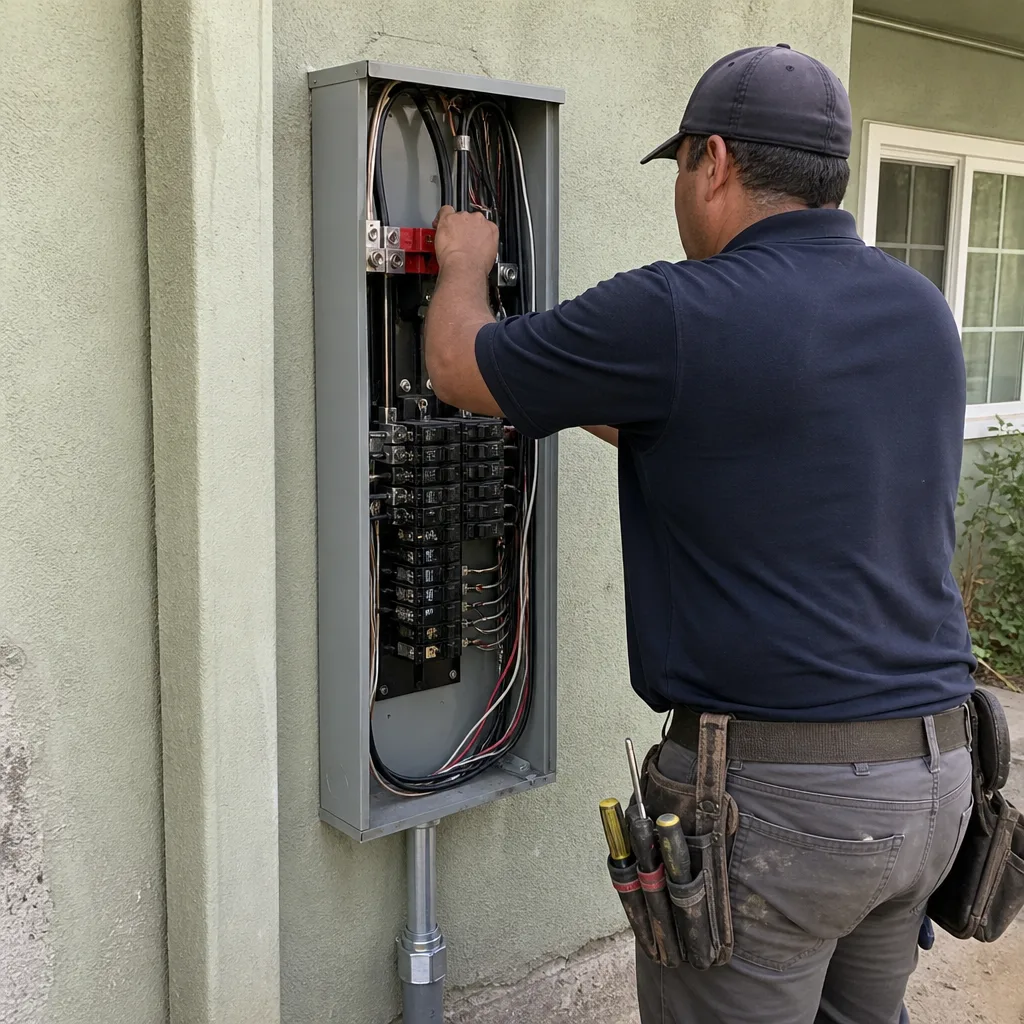 After
After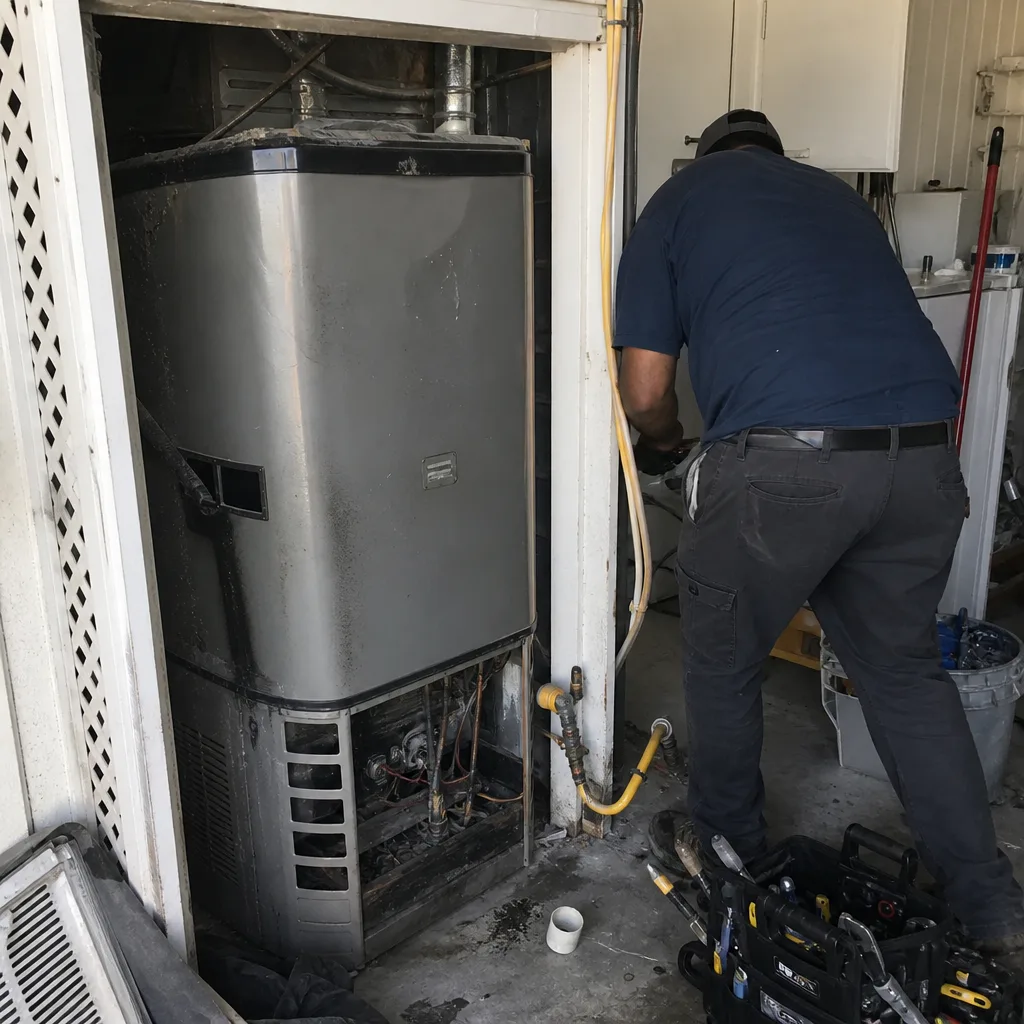 Before
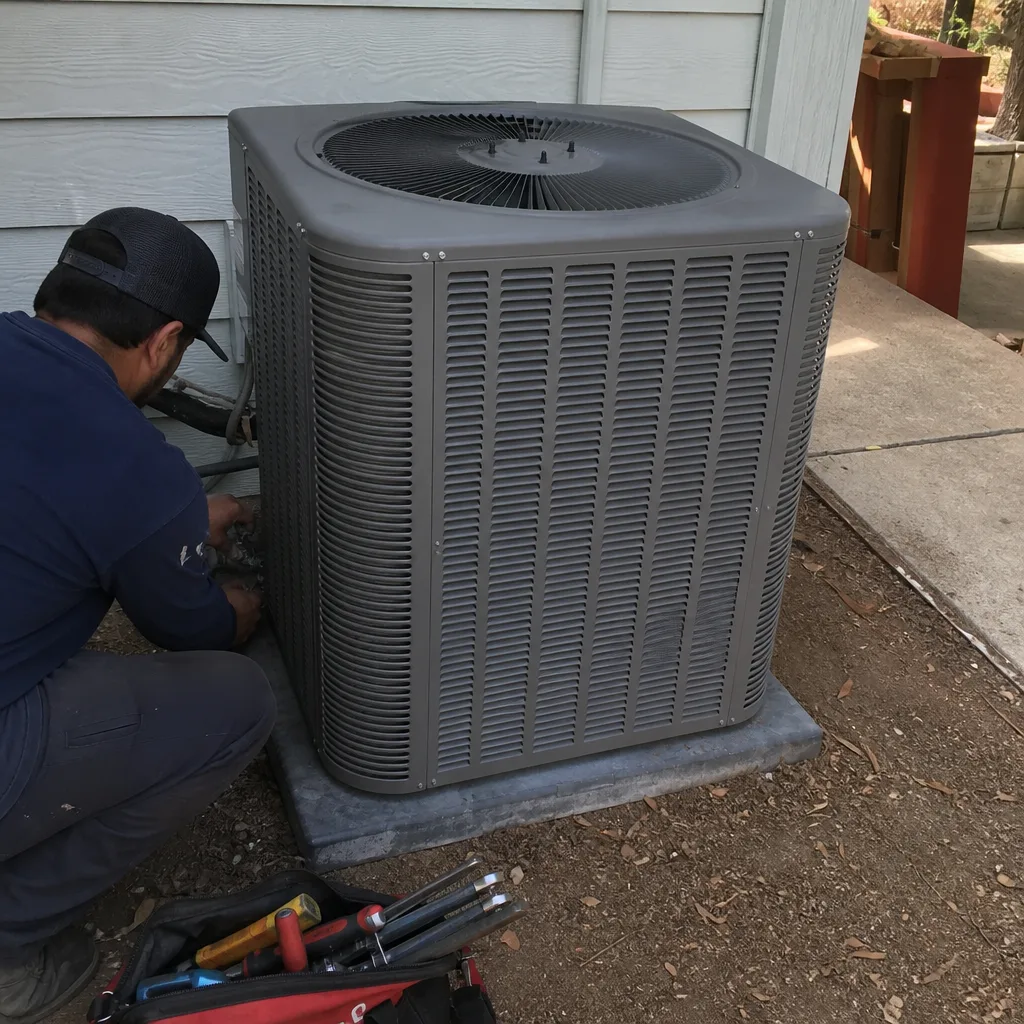 After
AfterReplacement Cost & What’s Included
| Jerith Roofing Service | Woodland Hills Price Range |
|---|---|
| Flashing replacement (per section) | $400 – $900 |
| Fastener and bracket replacement | $600 – $1,200 |
| Panel or cap sheet patching | $500 – $1,100 |
| Full Jerith cover restoration | $1,200 – $1,800 |
What drives the range here is access. A one-story cover with ladder access on flat ground stays at the low end. A second-story roofline or a hillside lot above Topanga Canyon Boulevard takes staging and more labor. Every quote includes parts and labor, written line by line before we start, and our 365-Day Done Right Promise covers the work. If the repair fails within a year, we come back on our dime.
Luca Romano and the crew have handled enough Jerith covers across the West Valley to know exactly what a fair number looks like. You won’t get a change order after we open things up.
DIY or Call Us?
You can safely inspect: walk the perimeter, look for rust, check if brackets wiggle, and clear debris from the seams. What you shouldn’t do is wrestle with a loaded panel or pull a failed lag out of a compromised beam. If the wood gives way or the panel springs free, you’re dealing with sharp aluminum under tension and a potential fall. We’ve seen homeowners end up with worse damage than they started with by going after a $12 flange without the right staging.
If it’s a visible bracket you can reach from the ground and the wood behind it is solid, a homeowner can re-seat and caulk it. If water is already getting inside, stop guessing and call us at (341) 217-2776. We’ll tell you over the phone whether it sounds like a simple fix or something that needs eyes on it.
FAQs
Flashing and fasteners typically last 15 to 20 years here, though west-facing and hillside exposure near the 101 corridor can shave a few years off that due to constant afternoon heat and wind-driven grit. Call (341) 217-2776 and we’ll assess what you’ve got.
Often yes. A loose bracket with sound wood behind it is a ten-minute repair, while a corroded flashing channel usually needs full replacement. We’ll tell you which situation you have before we touch anything.
Most flashing or fastener jobs take half a day on site. If we need to order an uncommon size, you’re looking at two to three days total, and we photograph the old part before we remove it so you know exactly what we’re matching.
We stock the common Jerith-series flashing and anchor hardware on the truck. Rare sizes and older date codes get ordered same day from a supplier that specializes in Jerith-era components. Call (341) 217-2776 with your model info and we’ll confirm availability.
Written by Luca Romano, Owner, Sawyer Remodel Woodland Hills at Sawyer Remodel Woodland Hills, serving Woodland Hills and nearby areas.