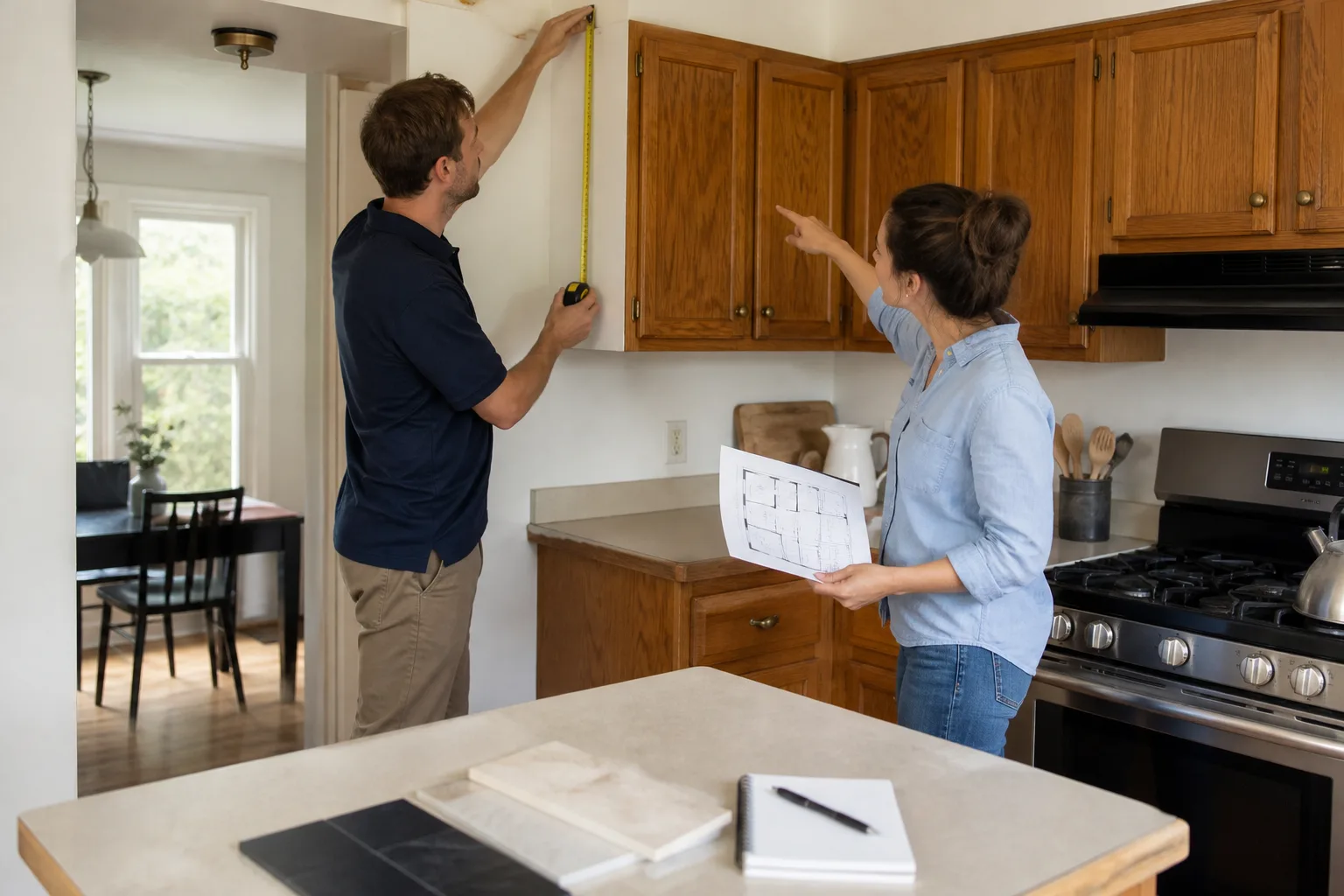
Free written scope consultation - allowances, timeline, and change-order rules on paper before a single trade is scheduled
Quikrete Home Additions & ADU: The Woodland Hills Owner’s Guide
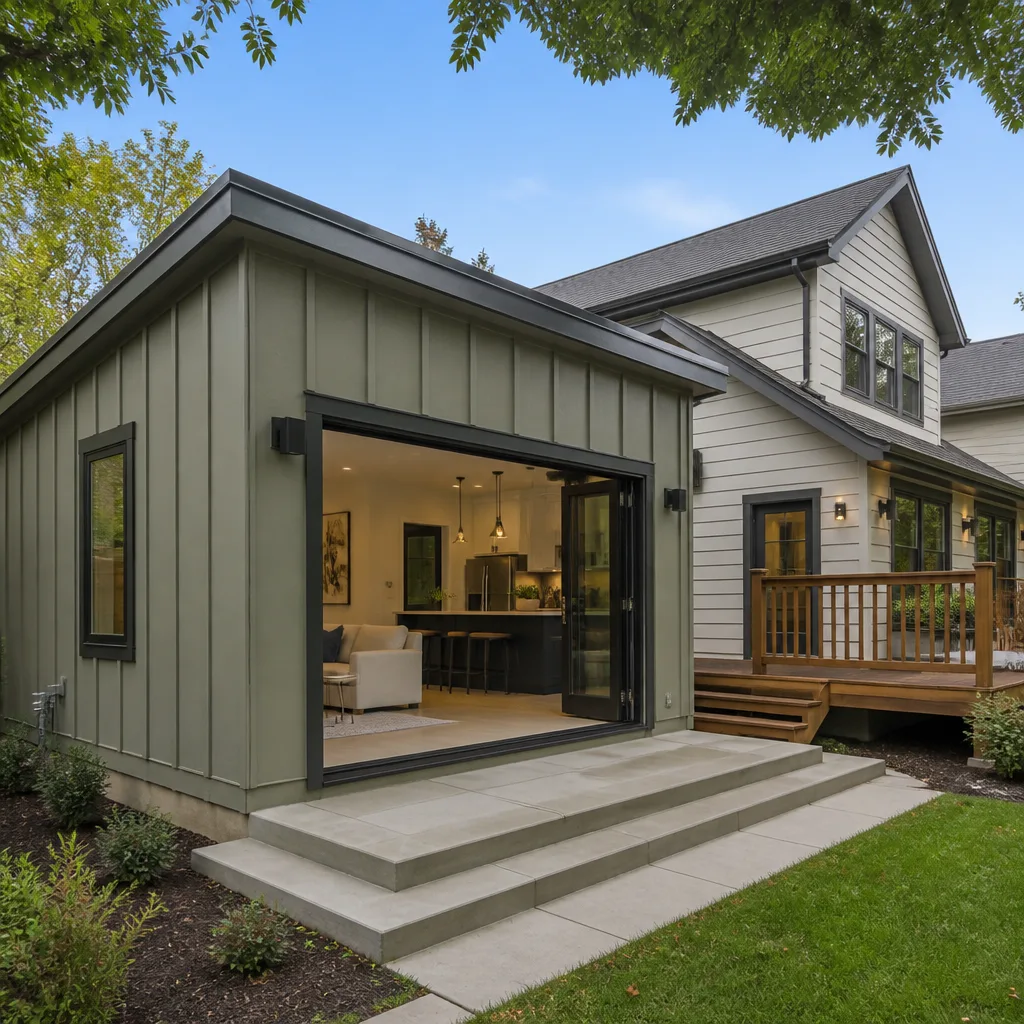
Planning a home addition or ADU in Woodland Hills on a Quikrete slab or foundation system? We handle the full scope, from tying new concrete work into existing Quikrete pours to framing, drywall, electrical, and final finishes. Installed home additions in Woodland Hills run $45,000 – $130,000, with ADU construction typically landing between $90,000 – $220,000 depending on square footage, site access, and finish level. Homeowners usually discover they need us when they spot hairline cracking at the cold joint where old Quikrete meets new, when grade shifts after heavy rain, or when they’re ready to build but their existing pad wasn’t poured to code for a dwelling unit.
Here’s the thing about Quikrete and additions: the bag mix itself is rarely the problem. The problem is almost always what’s underneath it, or what you’re tying into. We’ve been working the West Valley for years, and Luca Romano has seen more failed addition foundations in Woodland Hills than most crews will see in a decade. The work tells you everything. We just make sure it tells the right story.
Which Quikrete Models This Applies To
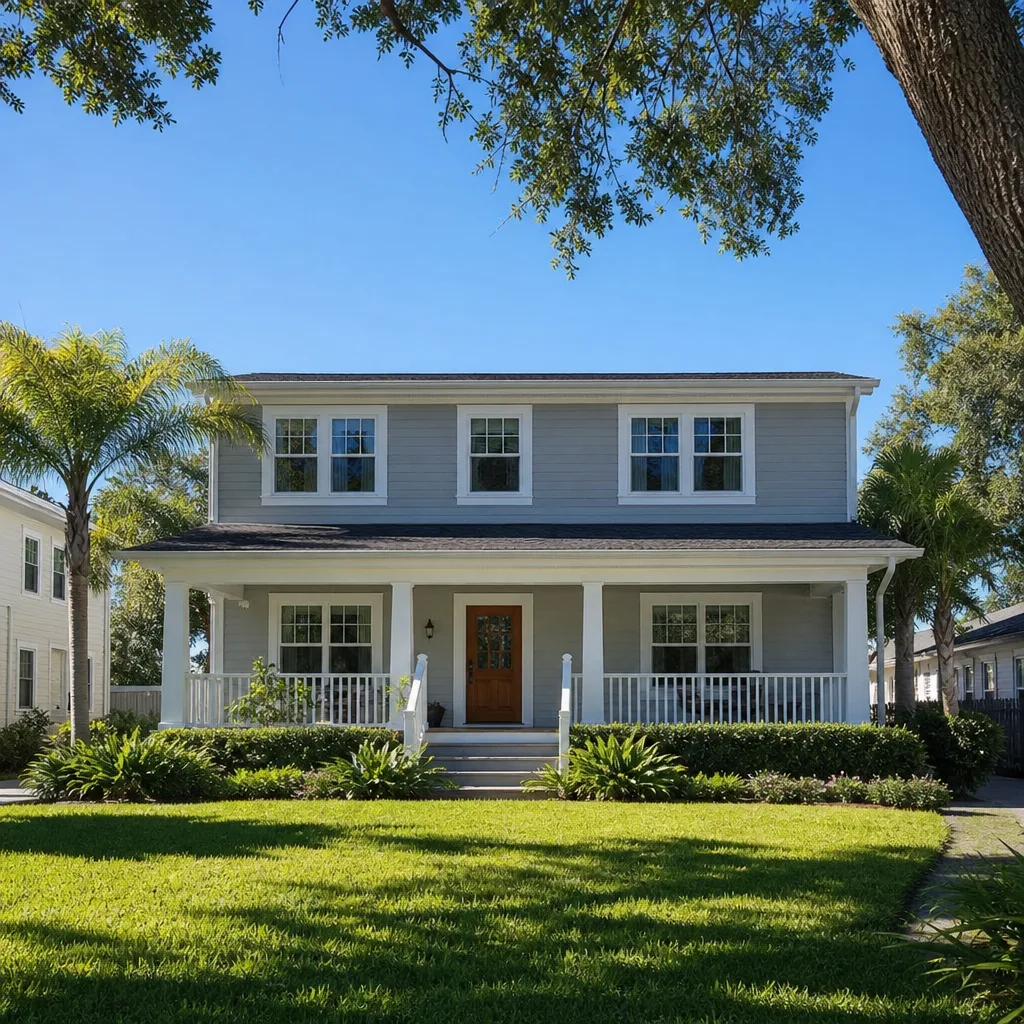
When homeowners in Woodland Hills talk about “Quikrete” and additions together, they’re usually working with one of three products: the standard 5000 PSI concrete mix (common for footing pours and small slabs), Quikrete crack-resistant mix (popular for patios that later get enclosed), or Quikrete fast-setting mix (often used by previous owners for quick patch jobs that now need to carry real structural load). The compatibility gotcha most people miss: fast-setting and crack-resistant mixes are not rated for structural footings. If your existing slab was poured with fast-setting mix and you’re planning to build upward, that pad may need to be replaced or reinforced before any framer sets a plate down.
For the actual build, we match the new concrete to the existing pour condition, not just the bag label. Quikrete’s 5000 PSI mix is a solid OEM-equivalent for residential footings and stem walls, but we typically spec a ready-mix truck pour for anything over a few yards because batch consistency matters when an inspector checks your PSI documentation. If you’re extending an existing Quikrete slab, we check the control joint spacing and rebar or wire-mesh condition first. Slabs poured without reinforcement in Woodland Hills clay soil fail within 5 – 10 years, and adding a room on top of that is how you get cracked drywall and sticking doors six months after your certificate of occupancy.
Sawyer Remodel Woodland Hills is an independent general contractor. We’re not affiliated with Quikrete, but we work with their products and specs on a weekly basis, along with materials from KraftMaid, Cambria, and Silestone when the project moves inside.
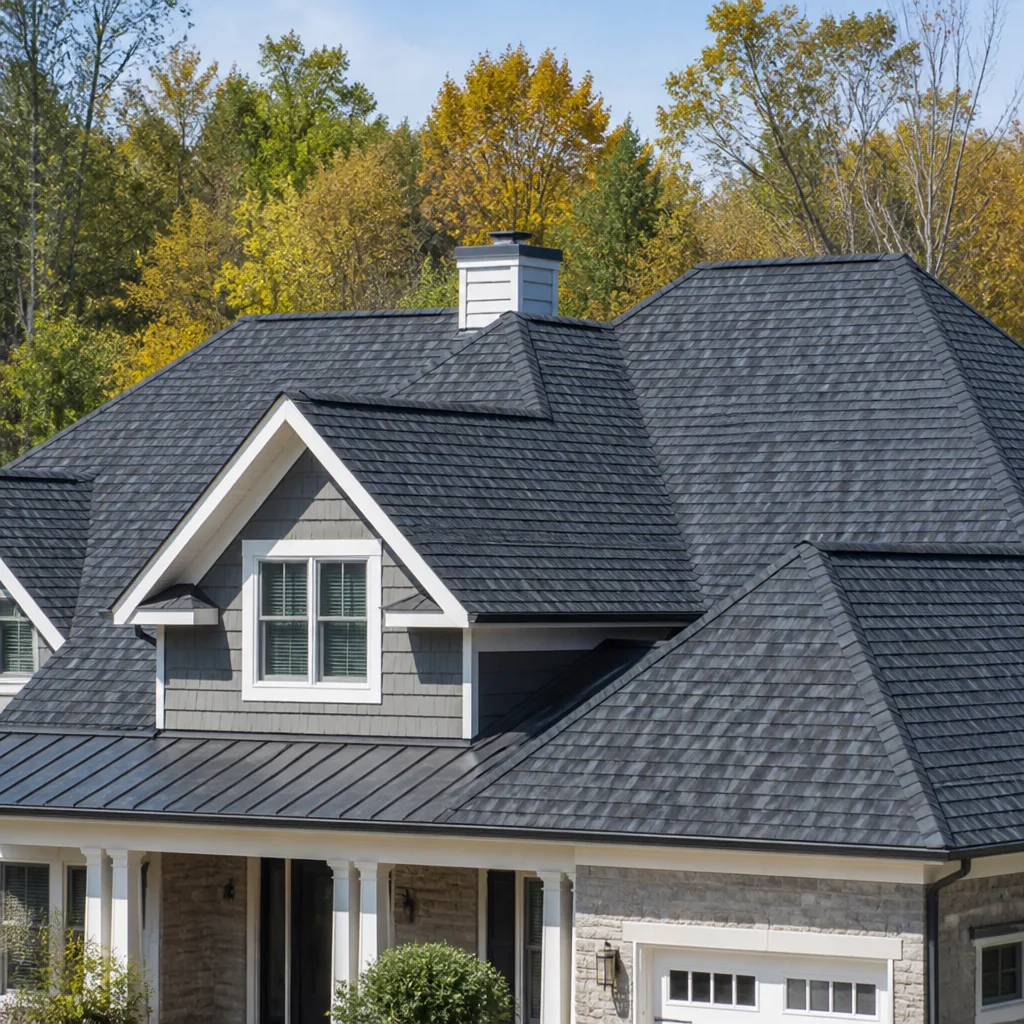
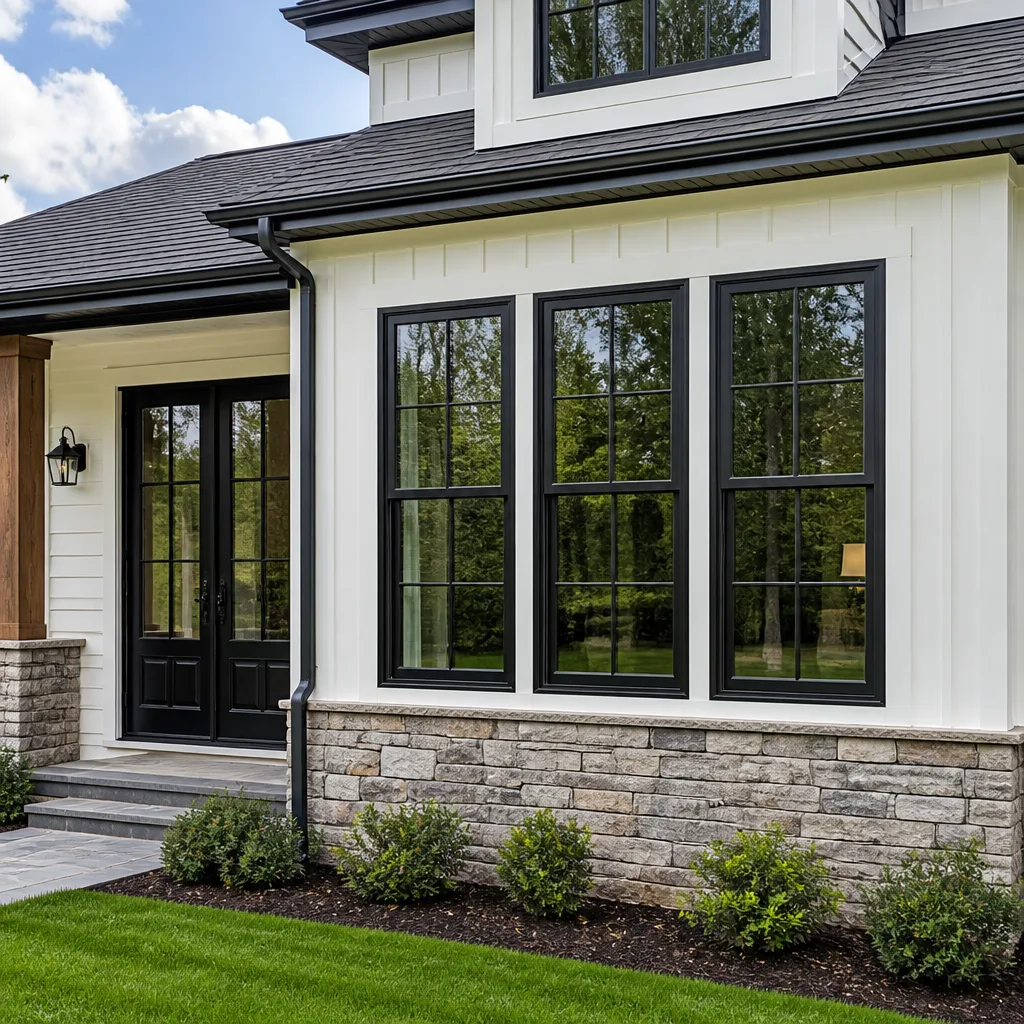
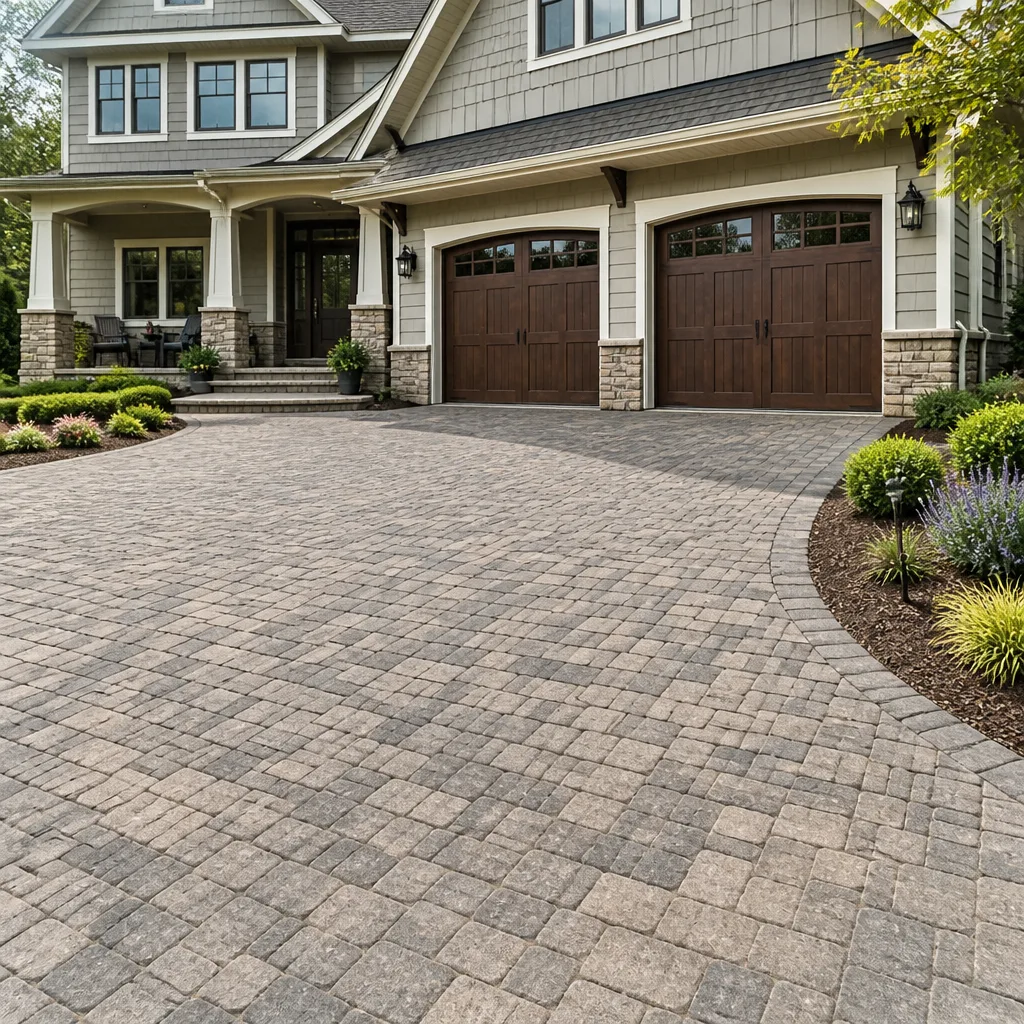
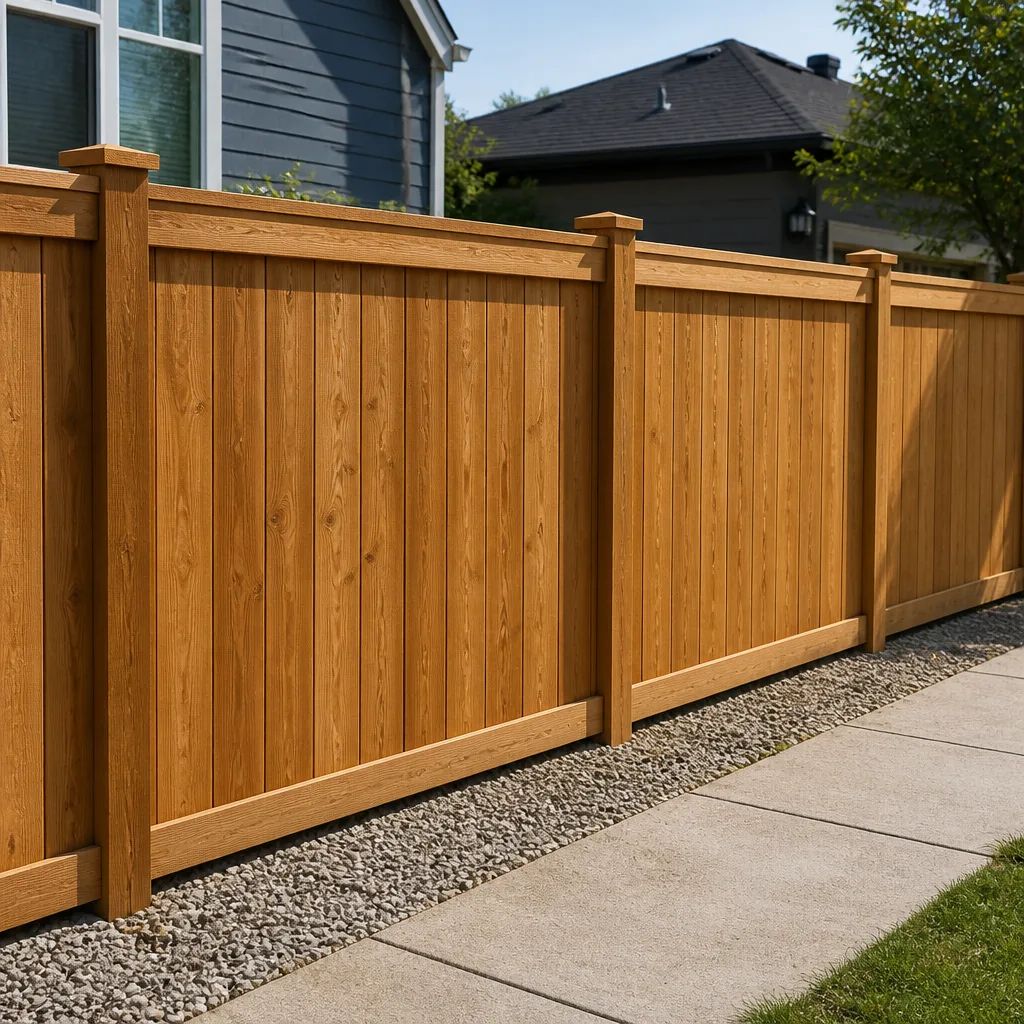
Styles & brands we work with
Signs Your Quikrete Home Additions & ADU Is Failing
- Hairline cracking along cold joints. The seam where old Quikrete meets new concrete is the weakest point in any addition. In Woodland Hills, seasonal wet-dry cycling opens these joints up. What starts as a cosmetic line becomes a water path into your framing.
- Slab edge spalling or flaking. Quikrete surfaces that shed small chips, especially after winter rains, signal surface saturation. The concrete is absorbing water and starting to degrade. If the spalling is near a load-bearing point, it’s structural, not cosmetic.
- Doors and windows that stick in the addition, not the original house. Differential settlement between the original structure and the new Quikrete foundation is the classic sign. The addition is moving at a different rate than the main house.
- Moisture wicking through the slab. In hillside areas above Topanga Canyon Boulevard, we see this constantly. If you tape a piece of plastic to your slab overnight and find condensation under it in the morning, your vapor barrier either failed or was never installed.
- Cracks wider than a quarter inch at the foundation stem wall. Quikrete poured for footings that later cracks at the stem wall joint means the footing is being undermined. In Woodland Hills, that’s usually compaction settling, drainage issues, or root intrusion from mature oak trees.
See the difference
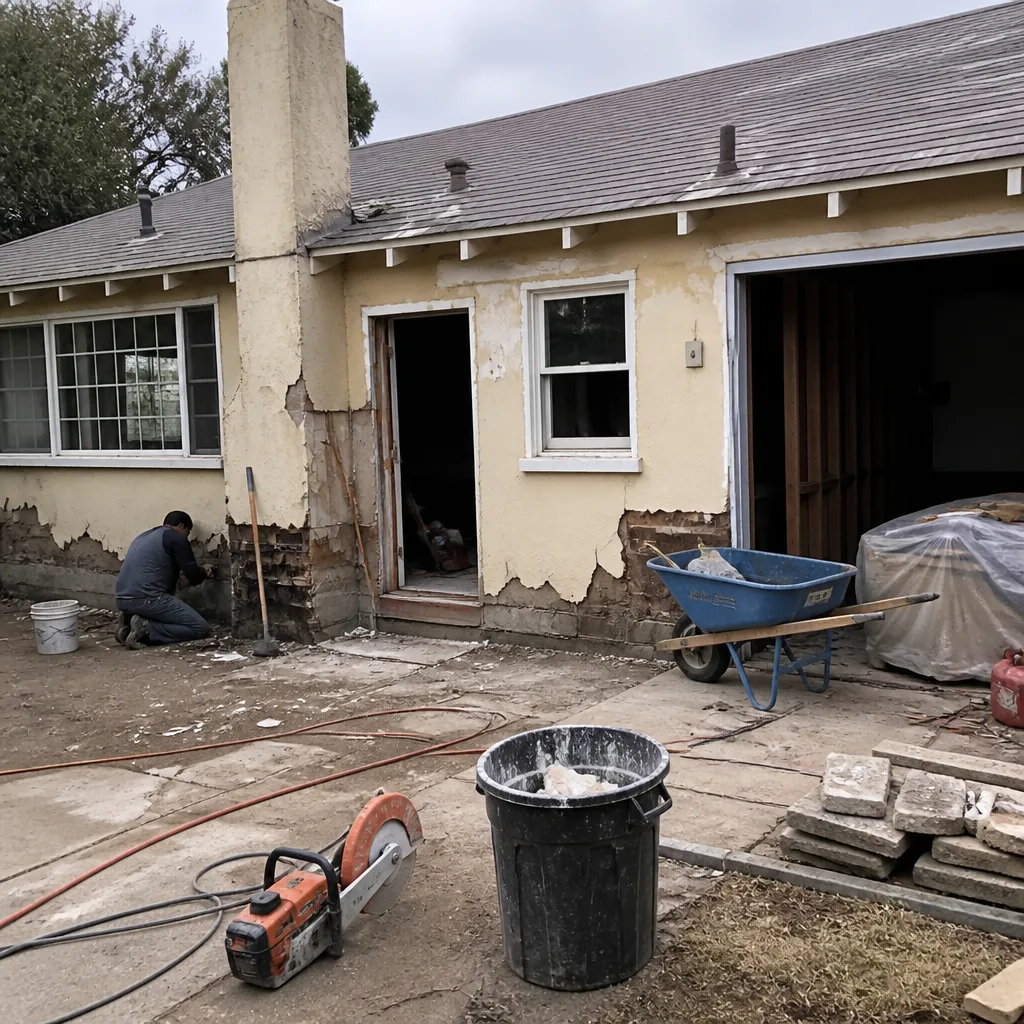 Before
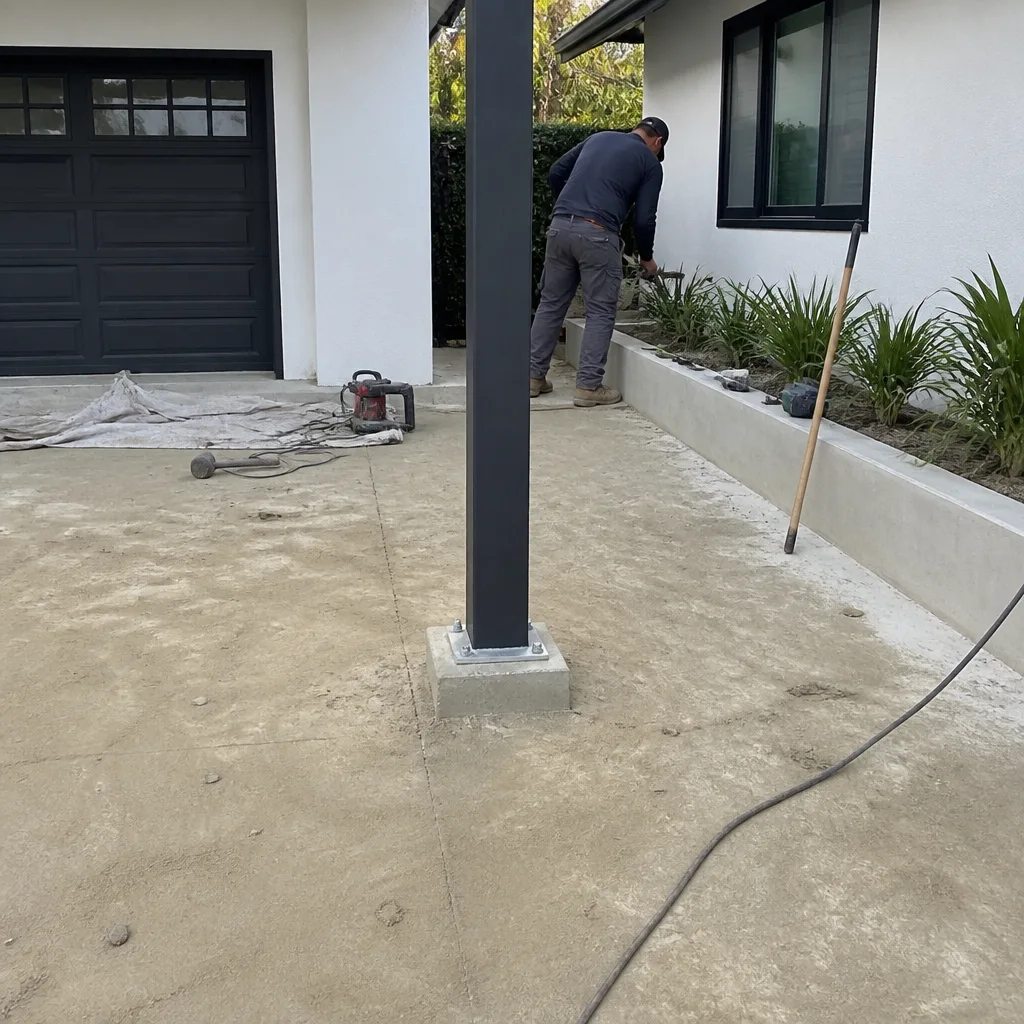 After
After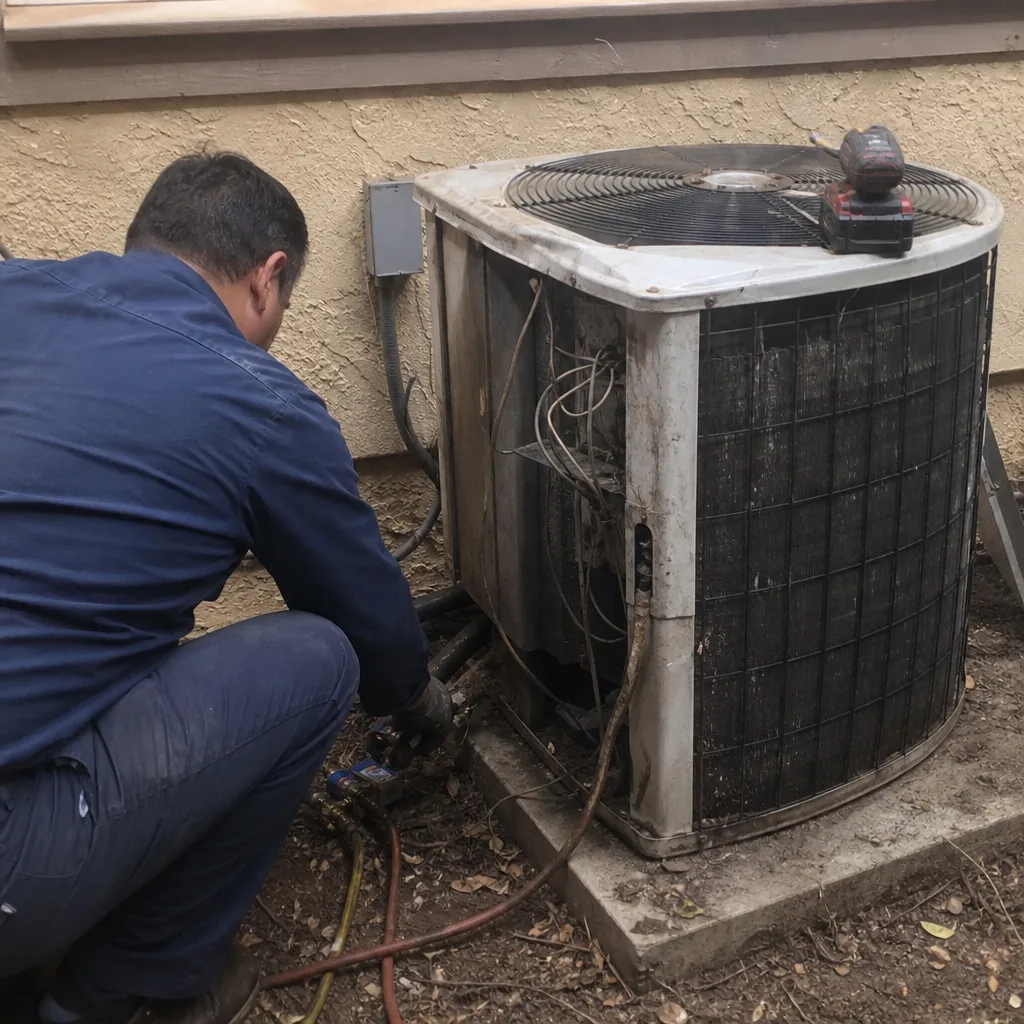 Before
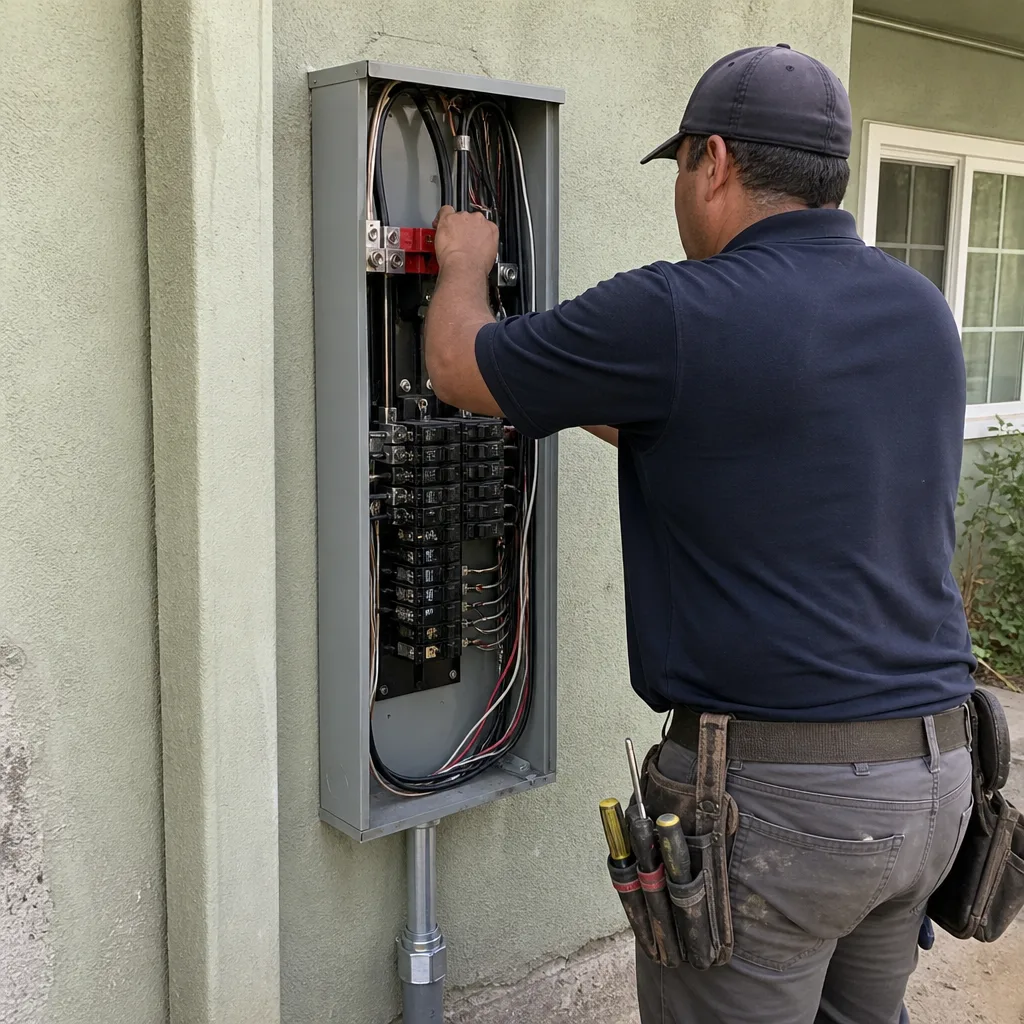 After
After Before
 After
AfterReplacement Cost & What’s Included
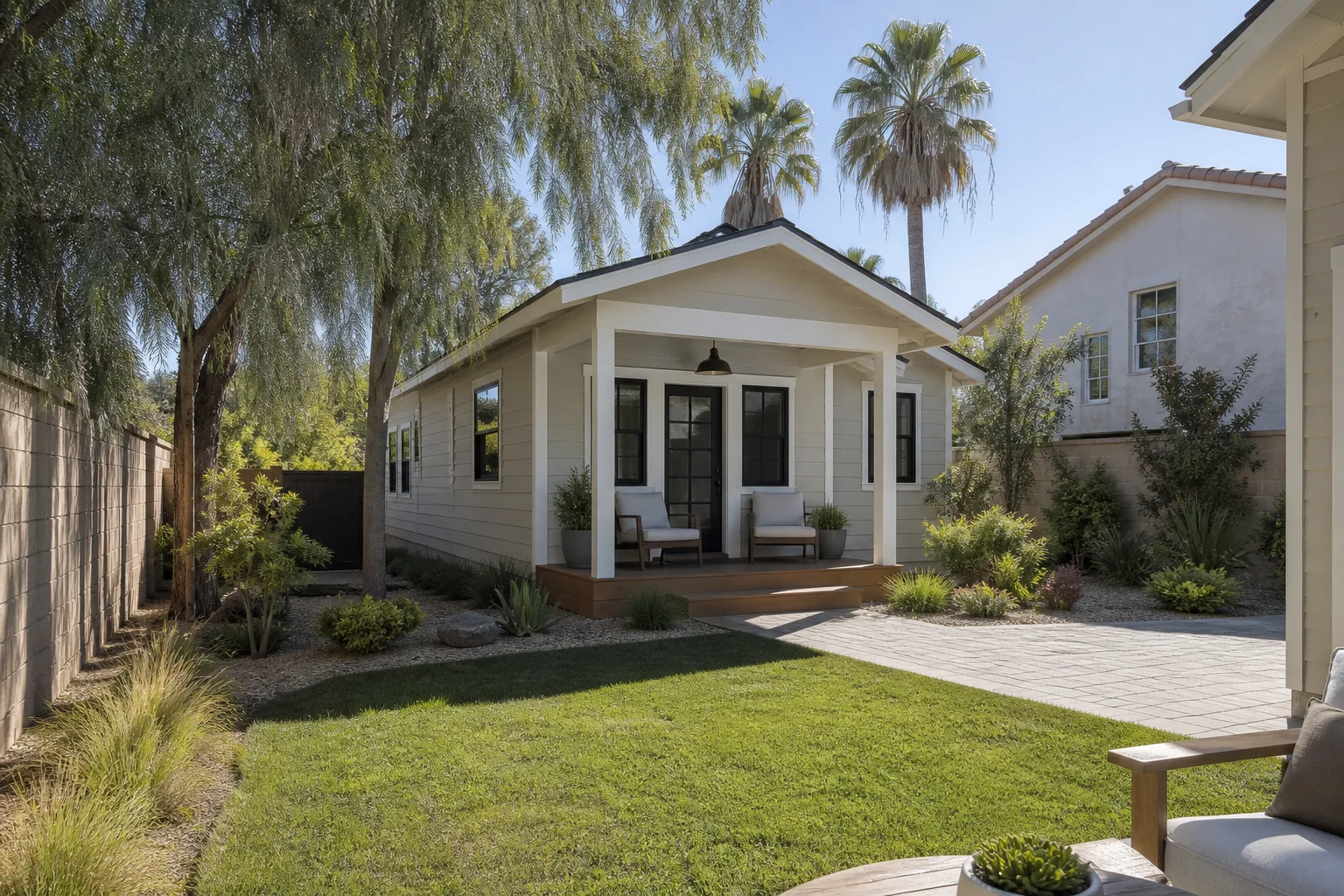
For a home addition in Woodland Hills, budget $45,000 – $130,000. That’s not a vague range to make you call. Here’s the honest breakdown: a small bump-out or single room addition on an existing sound Quikrete slab lands at the lower end. A second-story addition or anything requiring new footings, beam work, and tie-in to existing framing pushes the number up fast. ADUs run $90,000 – $220,000 because they include their own kitchen, bath, electrical service, and usually a separate sewer lateral. In Woodland Hills, hillside lots add grading and retaining costs that flat Warner Center lots don’t have.
What’s included in every quote: written line-item pricing before any work starts (the number you approve is the number on the final invoice), permit acquisition and inspections, demolition and disposal, all new Quikrete or ready-mix concrete work, framing, rough and finish electrical, plumbing, drywall, paint, and final walkthrough. Every addition and ADU carries our 365-Day Done Right Promise. If it’s not done right, we make it right. That’s in writing on every project.
DIY or Call Us?
You can safely check a few things yourself: confirm what type of Quikrete your existing slab is by looking for leftover bags in the garage or matching the finish date to the homeowner’s permit records. You can check slab level with a long straightedge. You can monitor cracks with a pencil mark to see if they’re growing. That’s where DIY should end if you’re building upward. Setting footings, tying rebar, and pouring structural concrete in Woodland Hills requires a permit, an engineered plan, and an inspector who will fail work that isn’t documented. Losing that bet costs more than double because we have to tear out the failed pour first. If your addition or ADU is showing slab movement, call us at (341) 217-2776. A proper foundation fix is not a weekend project.
FAQs
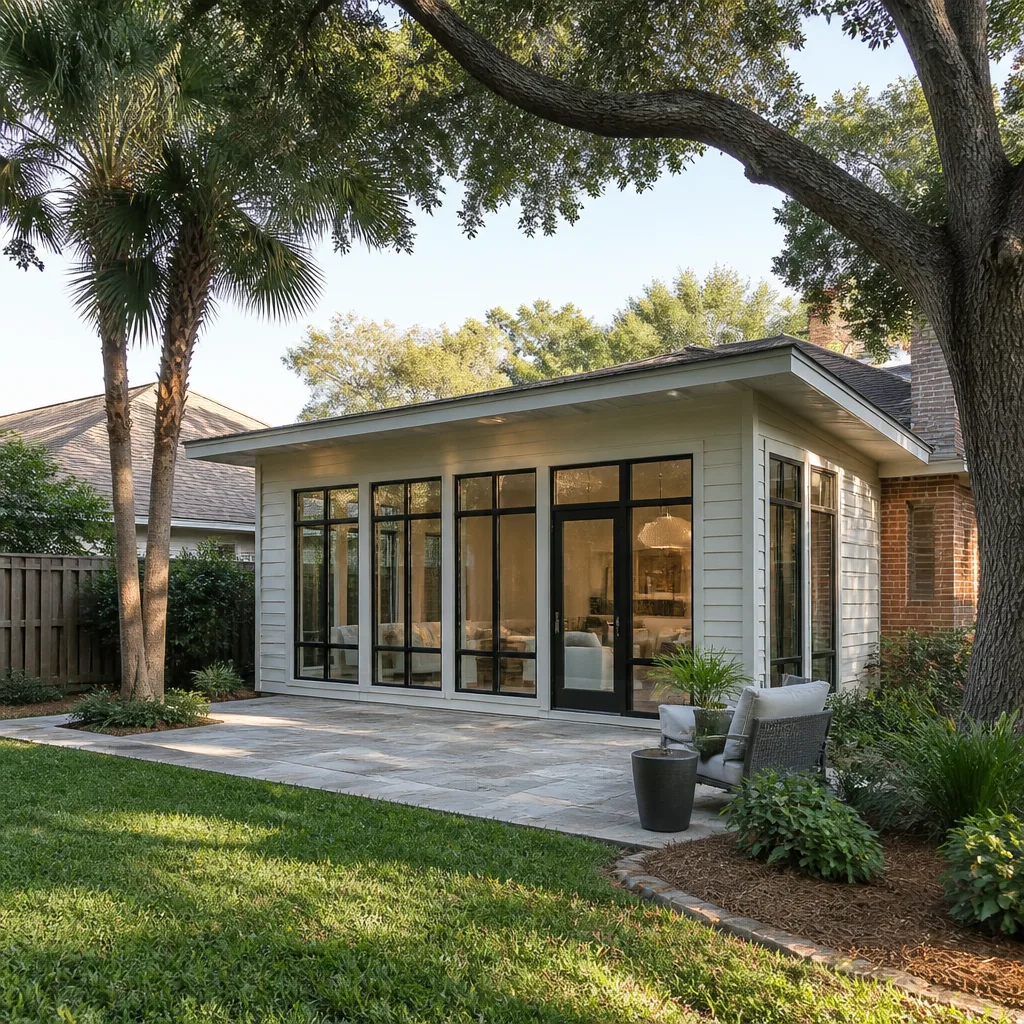
A properly poured and reinforced Quikrete 5000 PSI foundation should last 50+ years in Woodland Hills, but that assumes a correct vapor barrier, adequate drainage, and no soil movement. Poorly poured slabs in clay soil can show structural problems in as little as 5 – 10 years. We’ll assess your existing pour before any framing happens. Call (341) 217-2776 for a foundation evaluation.
Yes, if the cracking is cosmetic and the slab is reinforced with rebar or wire mesh. We can epoxy-inject cracks, grind and resurface spalled areas, and add a proper vapor barrier where the original failed. If the slab is unreinforced or the cracks are structural, replacement is the honest answer. We’ll tell you which one you have, in writing, before any work starts.
A room addition on an existing sound slab typically runs 3 – 5 months including permits. A detached ADU with new foundation work runs 6 – 9 months. Hillside lots or projects requiring retaining walls add time. We give you a schedule with your written quote, and photo updates come through before and after each phase. No four-hour windows, no disappearing act.
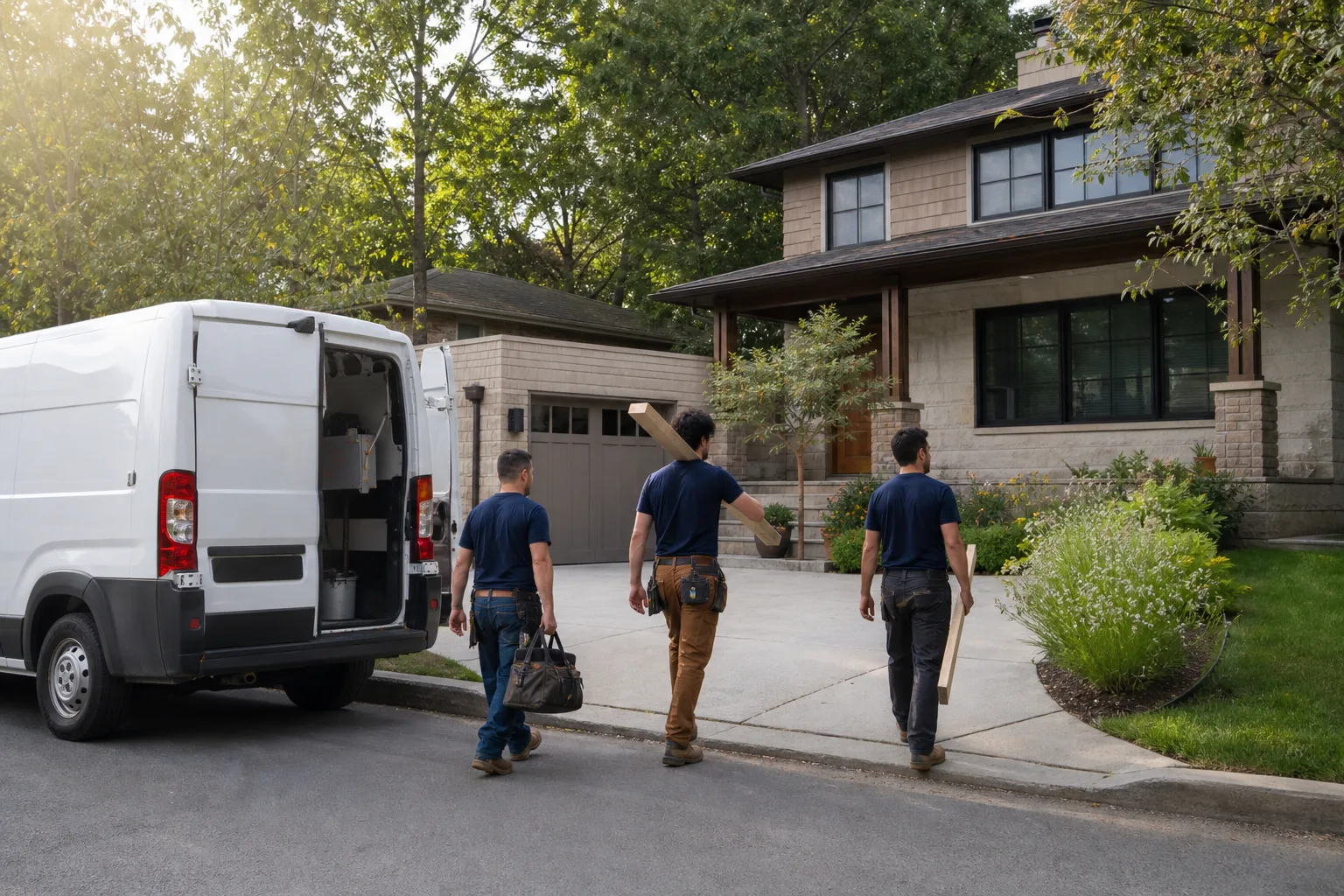
Our crew handles all concrete, framing, and finish work directly. Background-checked, uniformed technicians are on every job, and you’ll know exactly who is walking onto your property before they arrive. For specific material runs, we draw from the same suppliers we’ve used since 2005. Permits are pulled by us, inspections scheduled by us, and you get the written price before a single tool is picked up.
Written by Luca Romano, Owner, Sawyer Remodel Woodland Hills at Sawyer Remodel Woodland Hills, serving Woodland Hills and nearby areas.