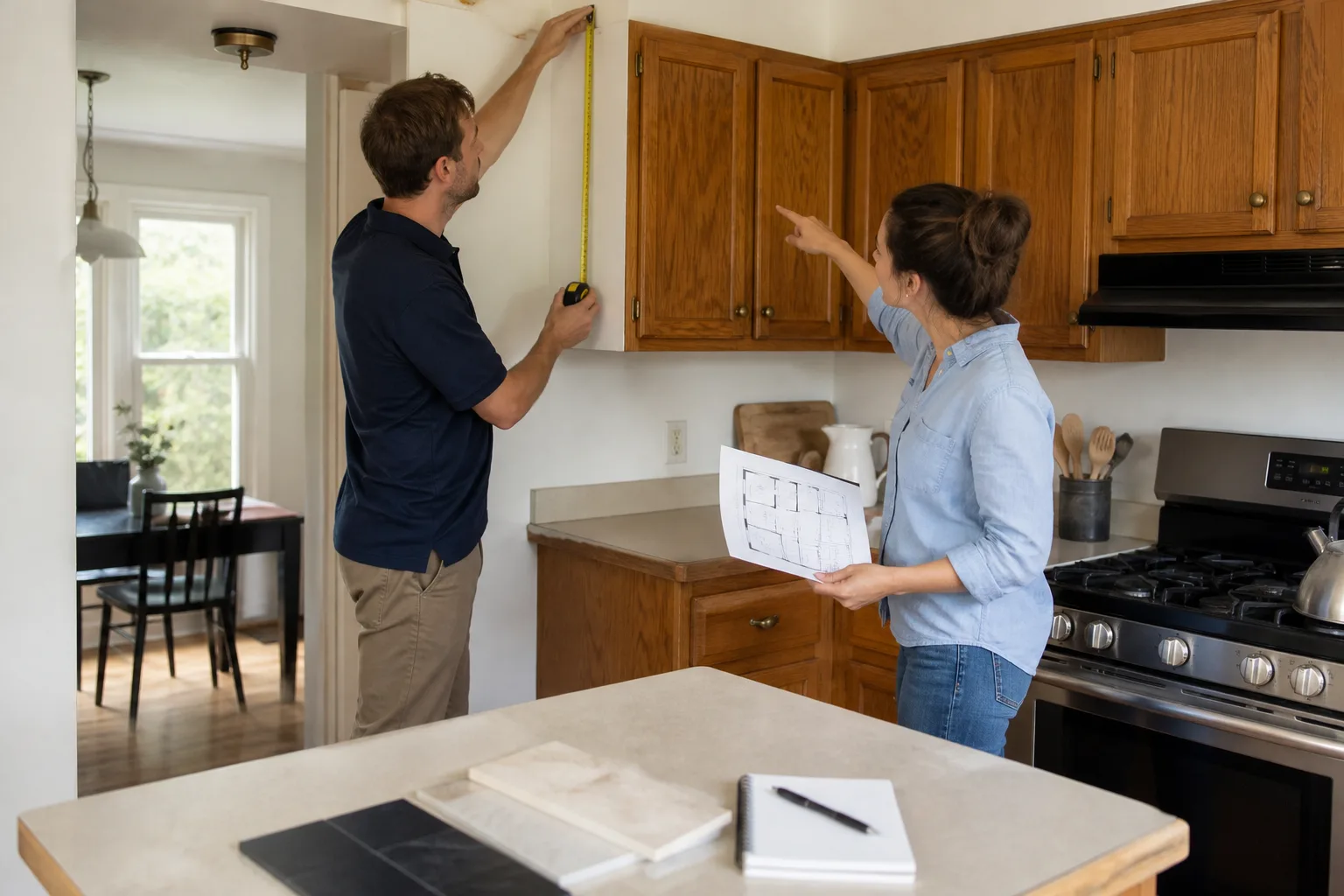
Free written scope consultation - allowances, timeline, and change-order rules on paper before a single trade is scheduled
Plant Prefab Home Additions & ADU: The Woodland Hills Owner’s Guide
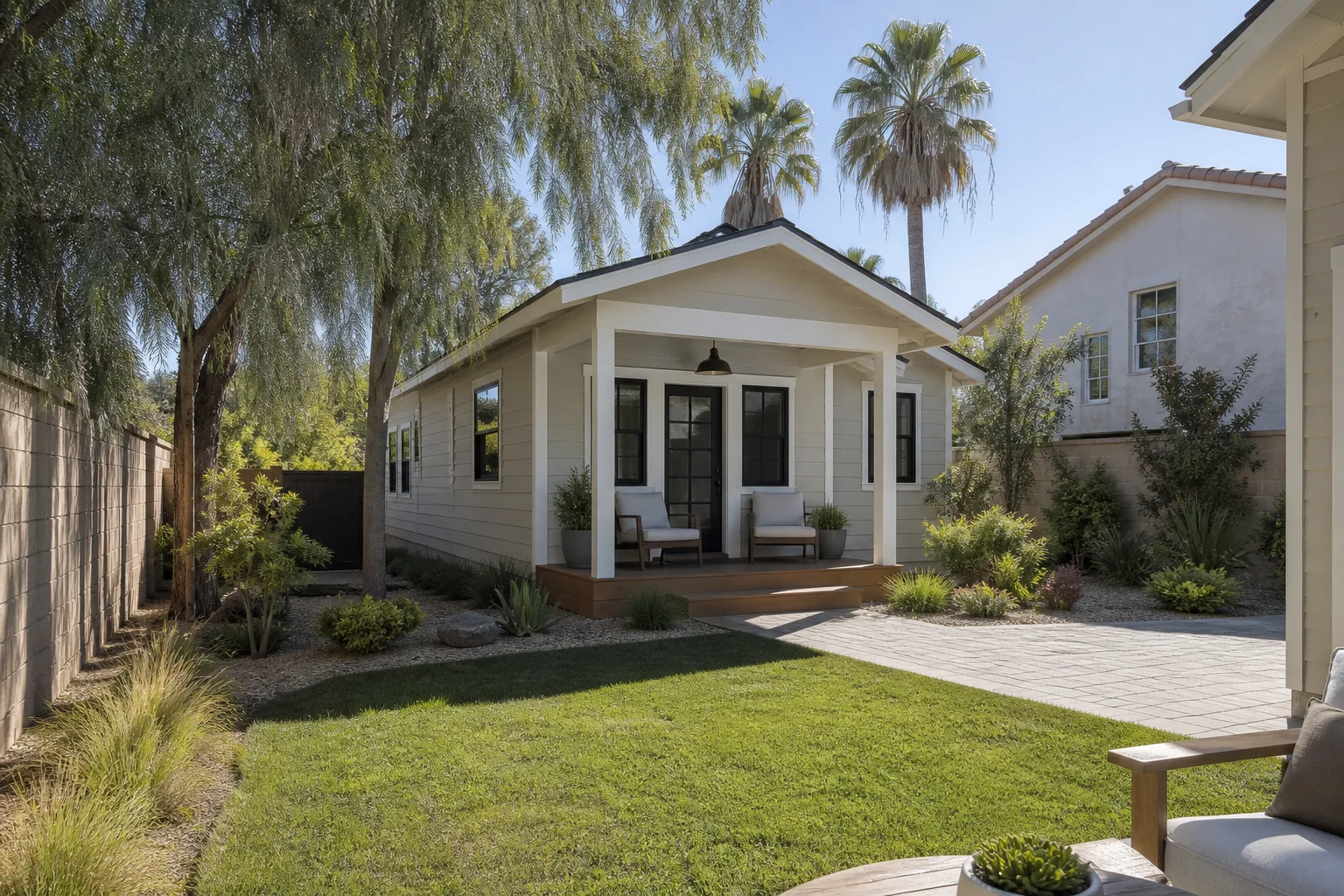
Plant Prefab home additions and ADUs in Woodland Hills typically run $45,000 – $130,000 installed, depending on size, site work, and utility runs. We match Plant Prefab panel systems and factory-built components to your existing structure, handle the foundation to finish, and keep the price on paper before the first truck rolls. Most owners call us after discovering their Plant Prefab addition wasn’t weatherproofed for Woodland Hills heat, or after a contractor who didn’t know panelized construction left flashing gaps that started leaking at the roofline seam.
The work tells you everything. We just make sure it tells the right story.
Key Takeaways
- Plant Prefab additions in Woodland Hills: $45,000 – $130,000, with the spread driven by foundation type, panel count, and utility trenching.
- We’re an independent contractor, not affiliated with Plant Prefab. We work with their panel specs and know where the failure points live.
- We stock the common fasteners, flashing profiles, and panel seals Plant Prefab builds require, so you’re not waiting weeks on a parts order.
- Every Plant Prefab addition or ADU gets a written price before work starts, and the 365-Day Done Right Promise backs the install.
Styles & brands we work with
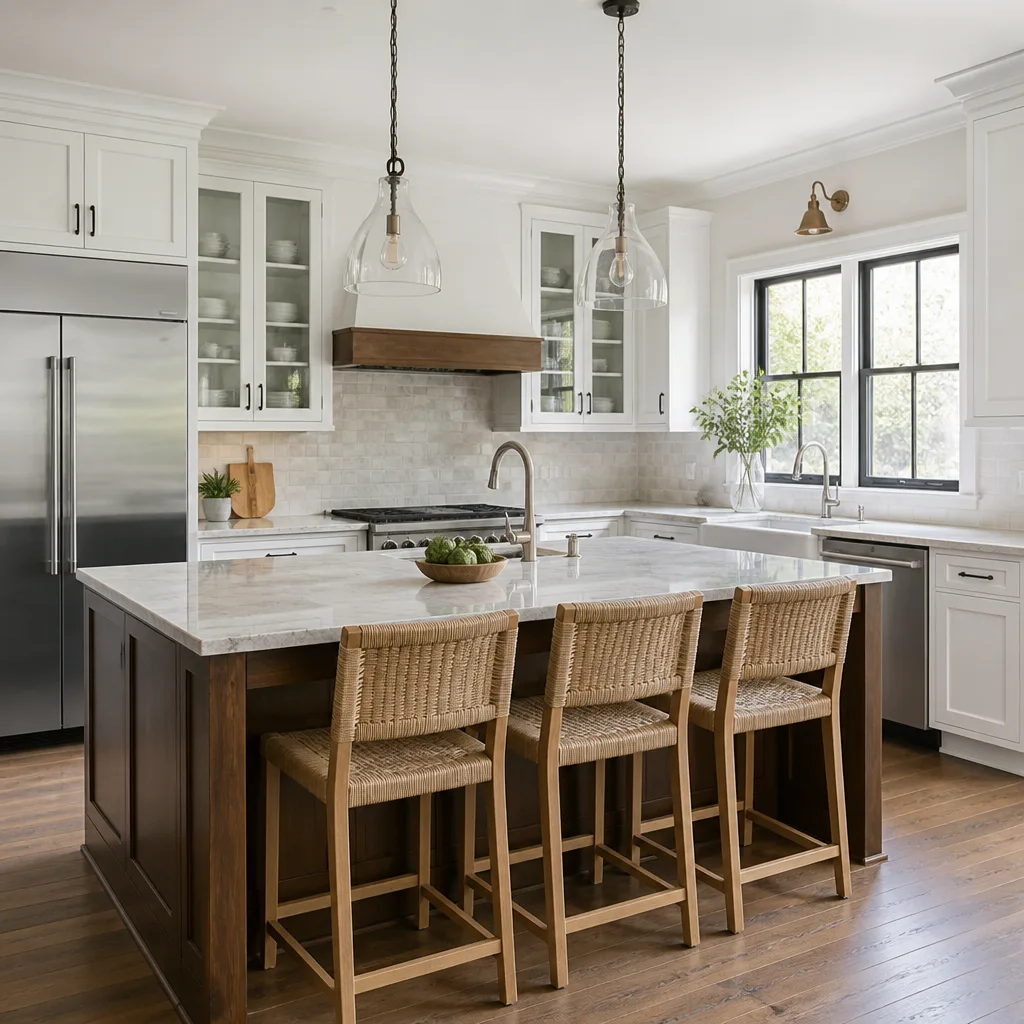
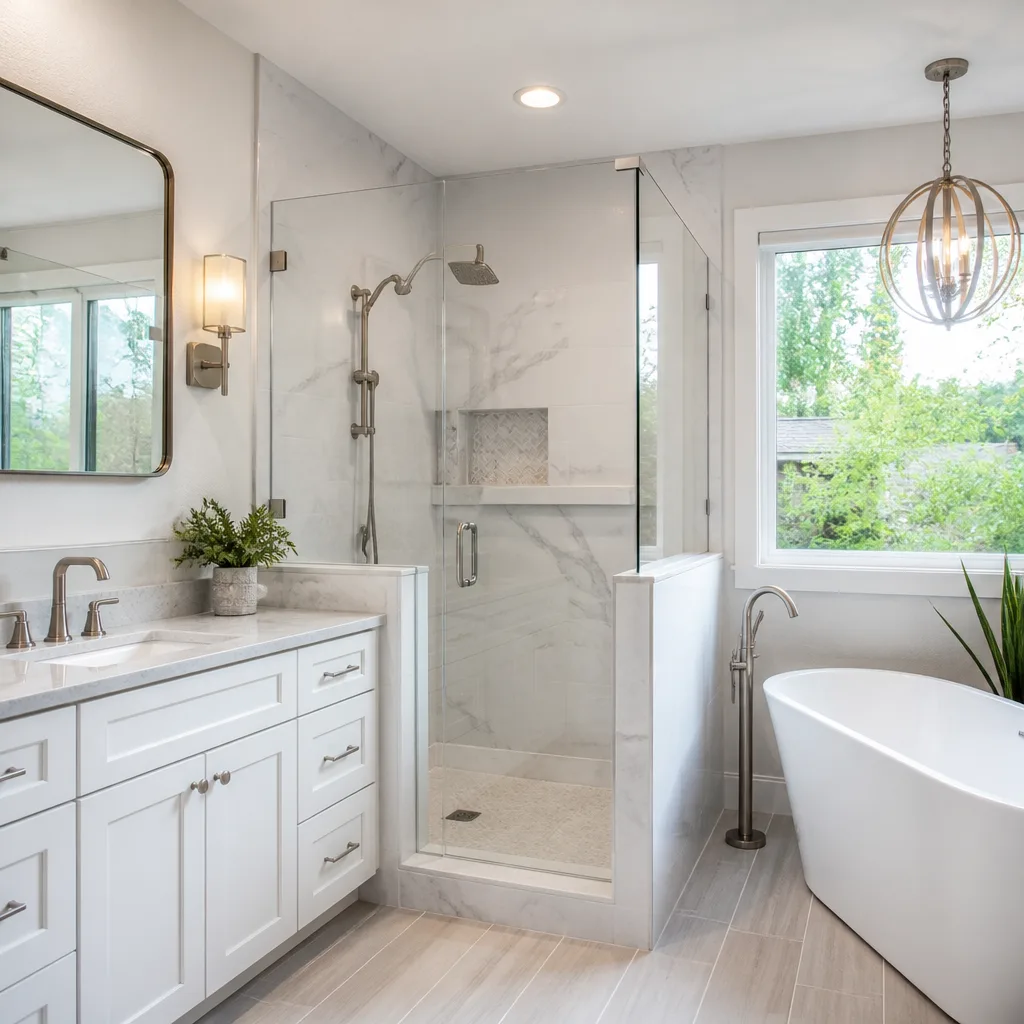
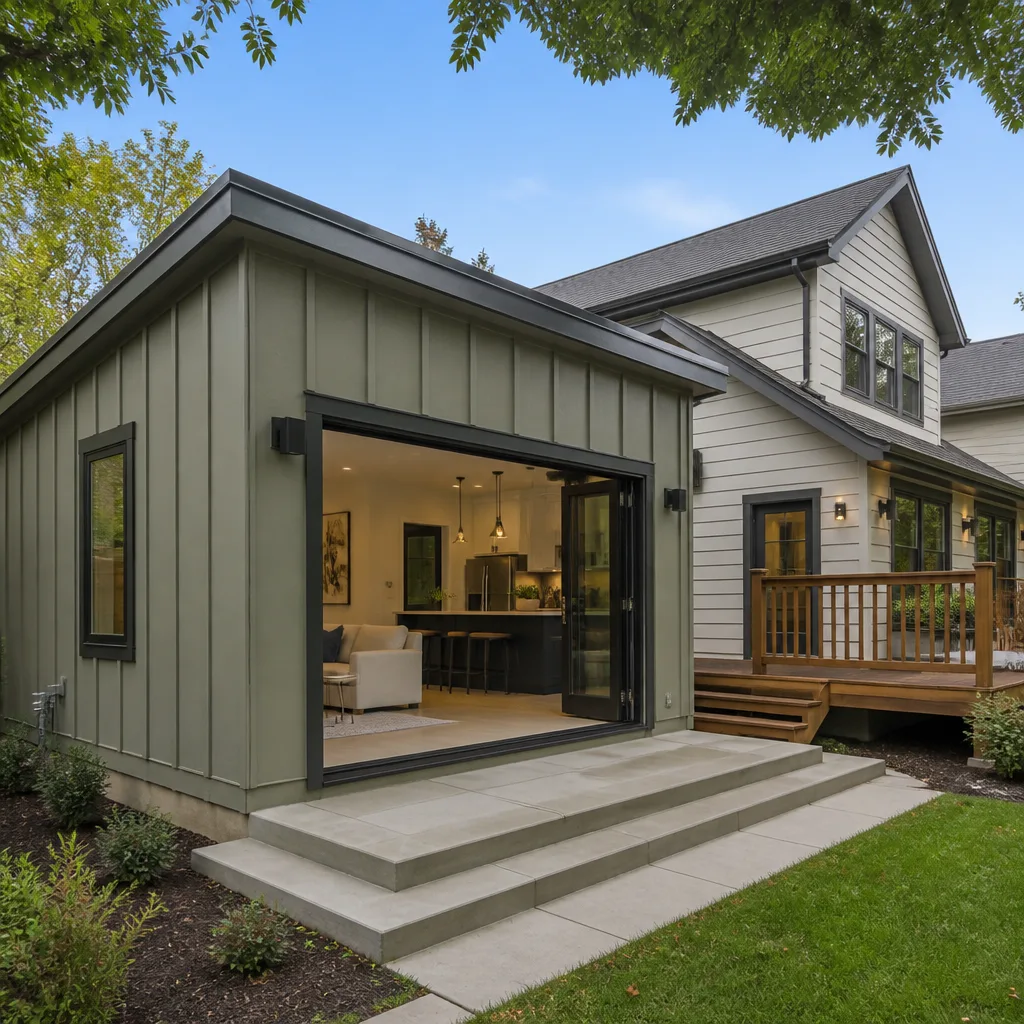
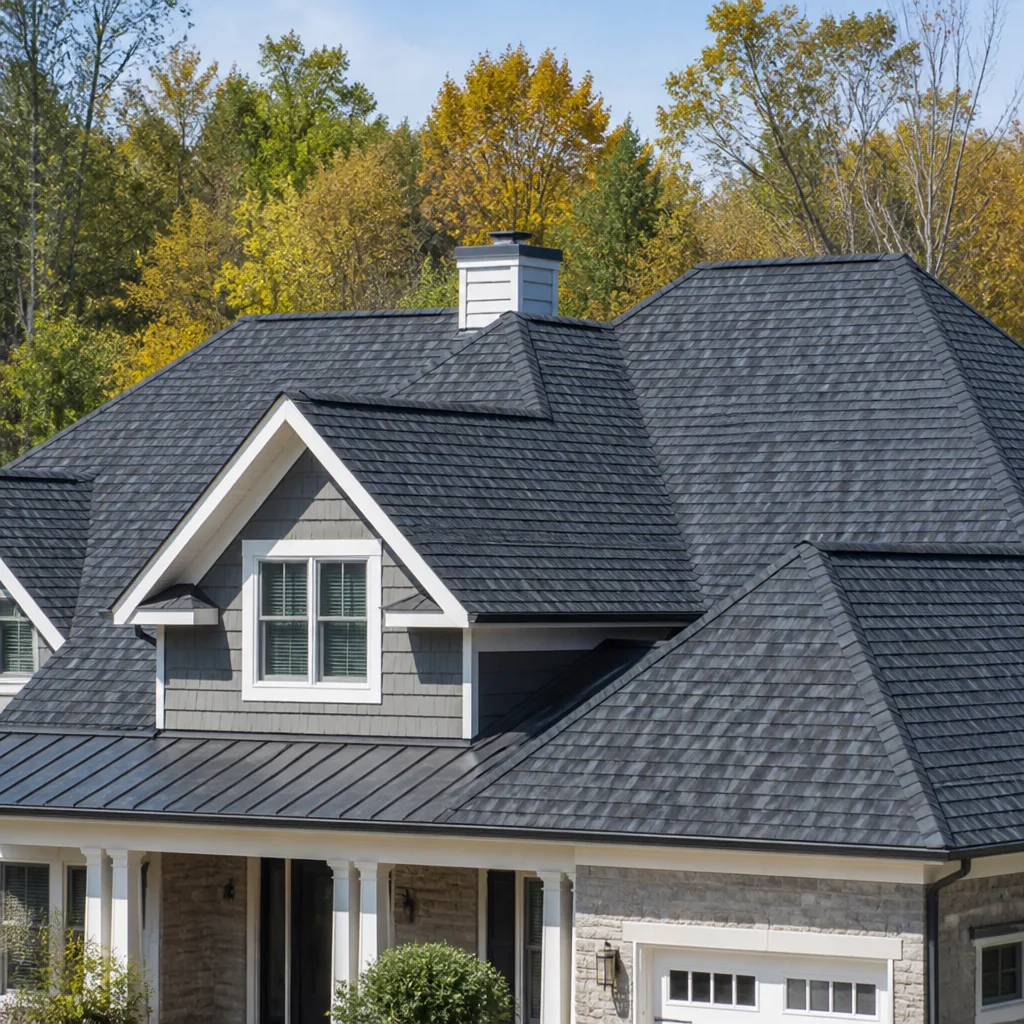
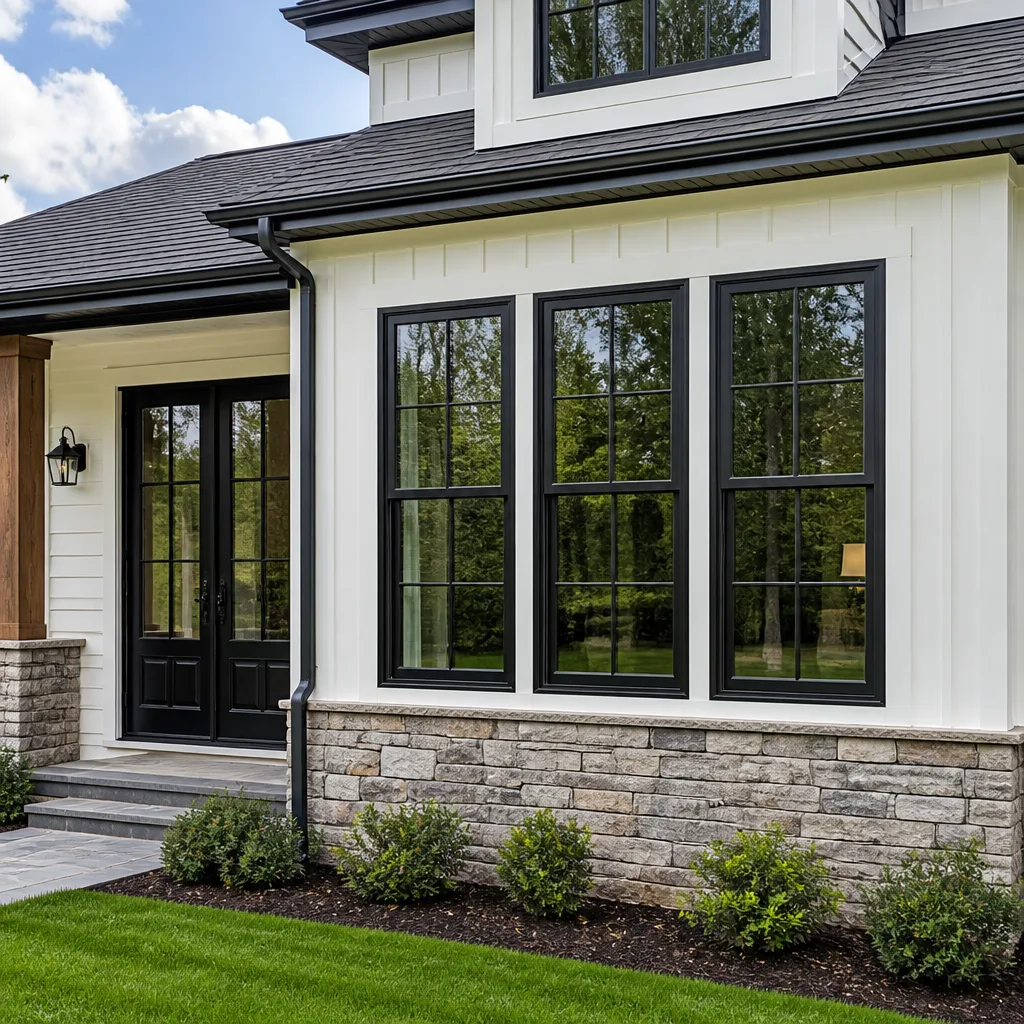
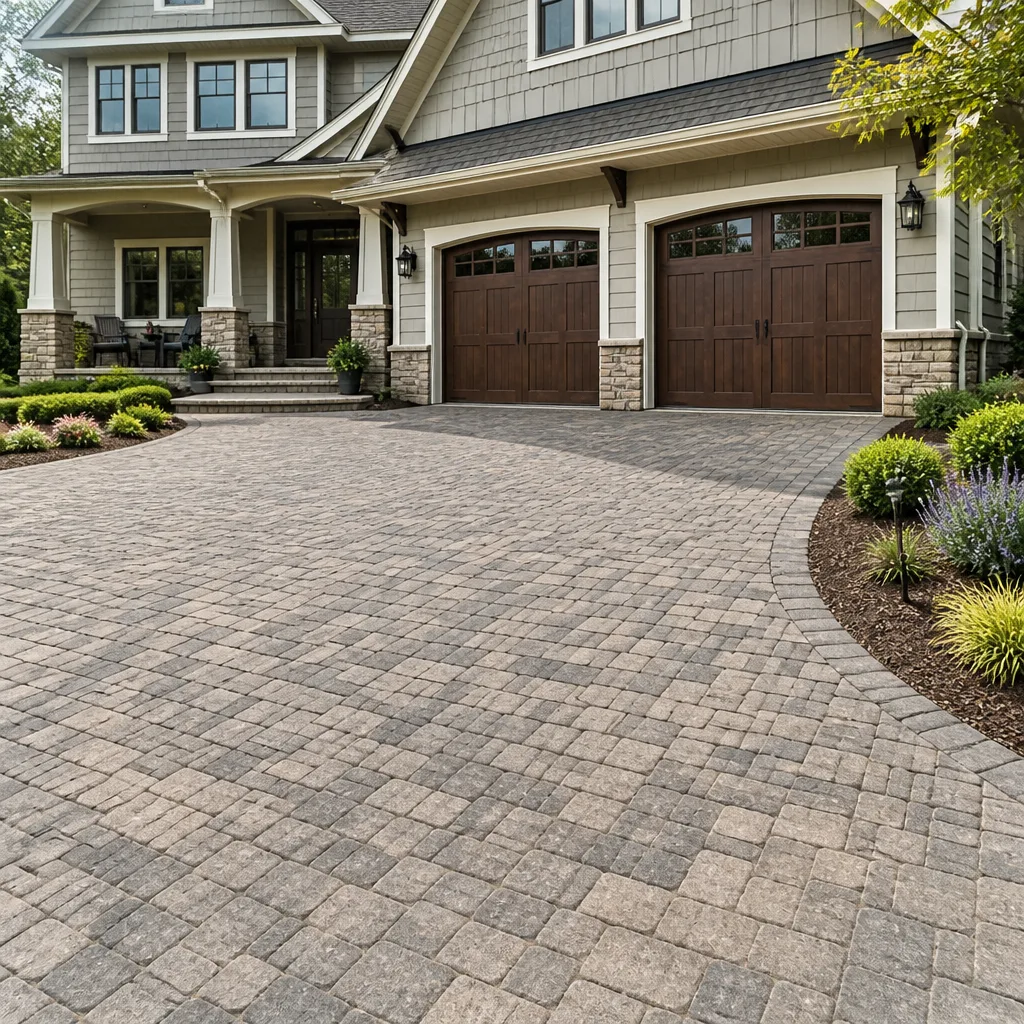
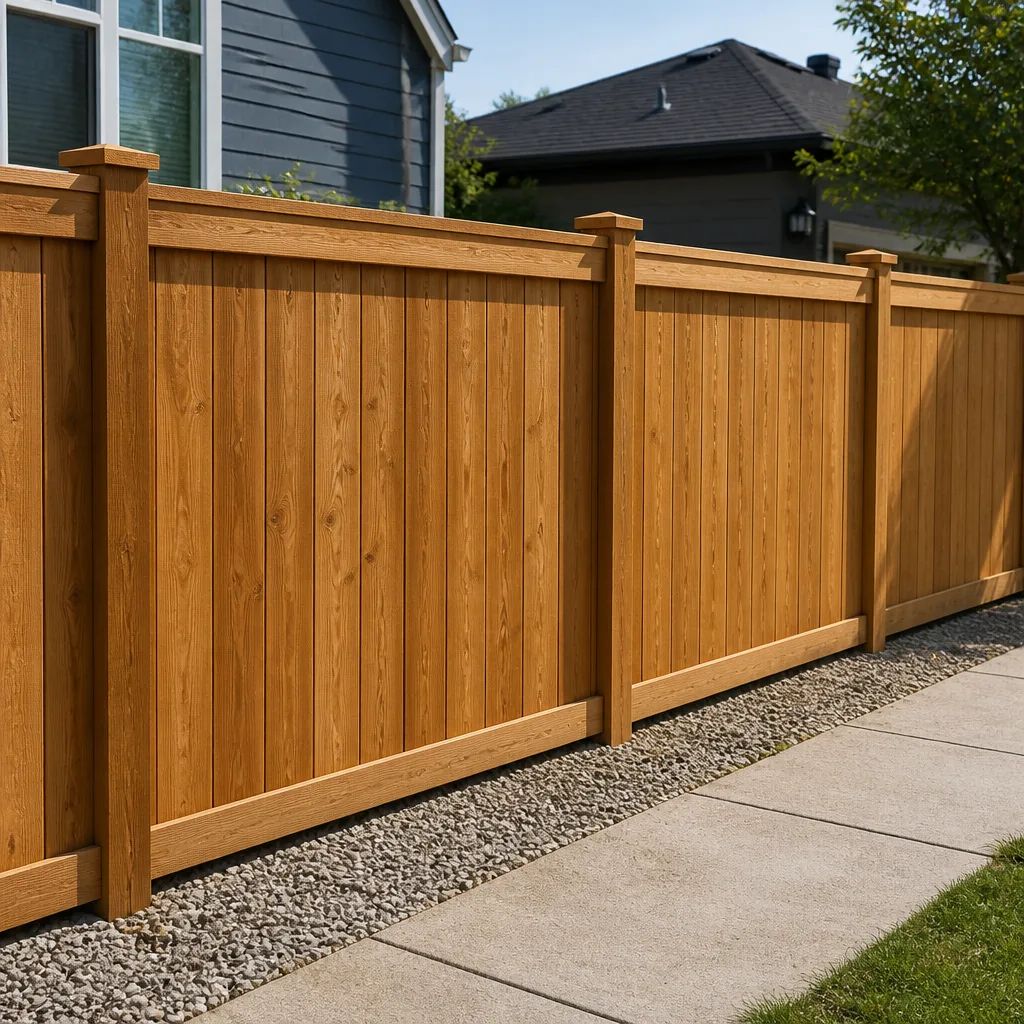
Which Plant Prefab Models This Applies To
Plant Prefab builds on a panelized platform, which matters in Woodland Hills because our hot, dry summers and winter rain cycles stress the panel joints and roof transitions harder than a mild coastal climate. The systems we work with include their LivingHome and Plant Building System lines, and the compatibility gotcha is this: Plant Prefab uses factory-set anchor patterns and specific panel-to-panel fastener schedules. If a previous contractor used off-the-shelf lag bolts or generic flashing tape at the panel seams, the weather seal fails early, and the warranty from the original build means nothing. We identify what’s on your structure by checking the panel stamps, the corner connection plates, and the roof-to-wall flashing profile before quoting anything.
OEM versus aftermarket matters here. Plant Prefab’s panel seals, trim profiles, and structural tie-ins are engineered to their tolerances. We use OEM or exact-spec equivalents from manufacturers that build to the same gauge and profile. We don’t swap in big-box flashing and call it done. That’s the difference between a repair that holds ten years and one that leaks next February.
Signs Your Plant Prefab Home Additions & ADU Is Failing
- Water staining at the ceiling-to-wall seam on the addition’s south or west side. Woodland Hills afternoon sun expands the roof panels; when the flashing wasn’t set to spec, the joint opens and lets rain in during the first good storm.
- Gaps or cracks at the corner connection plates. Panelized structures move as one unit. If the plates are pulling away or the paint keeps cracking in the same corner, the panel-to-panel fasteners have loosened or corroded, and that’s a structural, not cosmetic, issue.
- Doors and windows in the addition binding or failing to latch cleanly. That’s settlement or panel shift. Both mean the foundation or the panel attachment points need a proper look, not a plane-down of the door edge.
- Mold smell in the addition’s attic or knee-wall space. Panel joints and roof penetrations are the most common entry points. Once moisture’s in a panelized cavity, it stays, because Plant Prefab panels are built tight. Ventilation and sealing have to be corrected together.
- Utility runs that were surface-mounted or drilled through the panels in the wrong places. If electrical or plumbing chases were cut on-site without the factory routing map, you get air leaks, reduced insulation value, and sometimes damaged structural chords. We’ve seen this in ADUs throughout Woodland Hills, and it’s always more expensive to fix after the fact than to route correctly up front.
See the difference
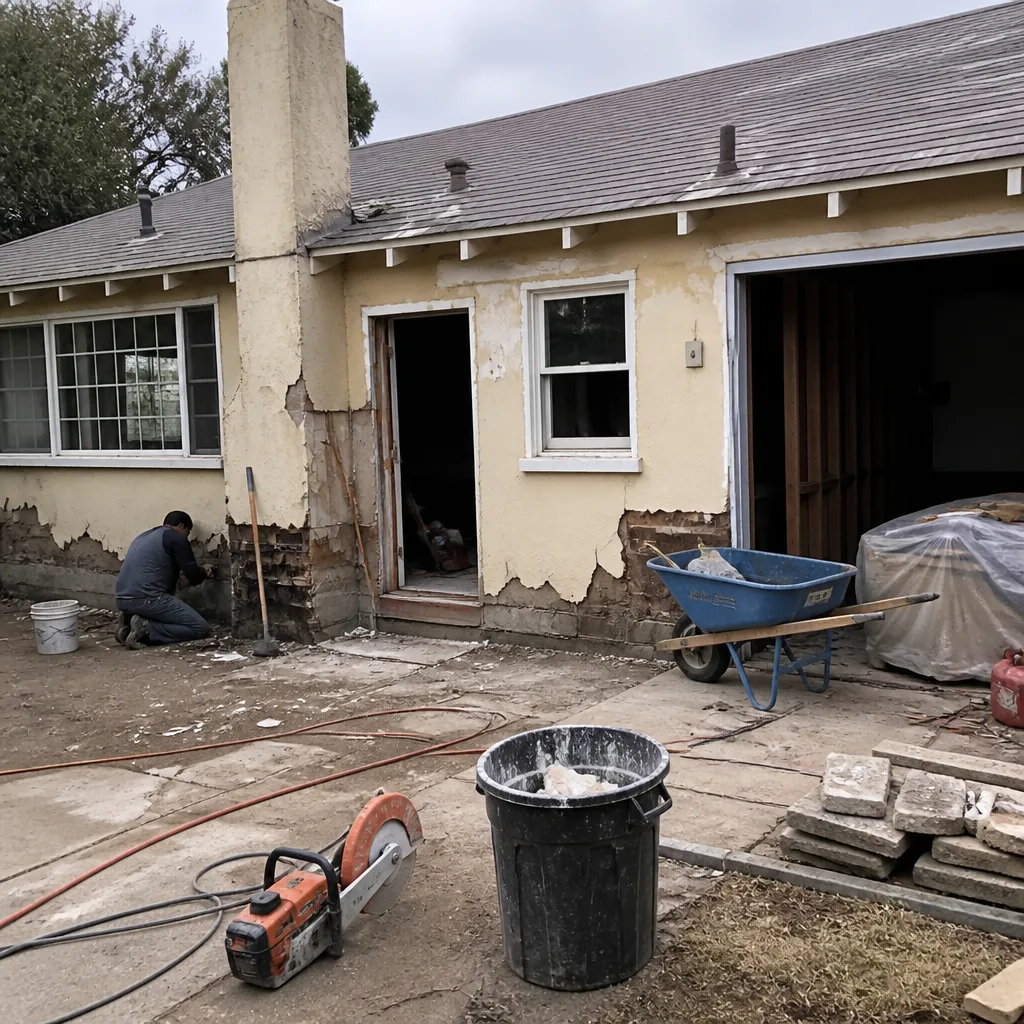 Before
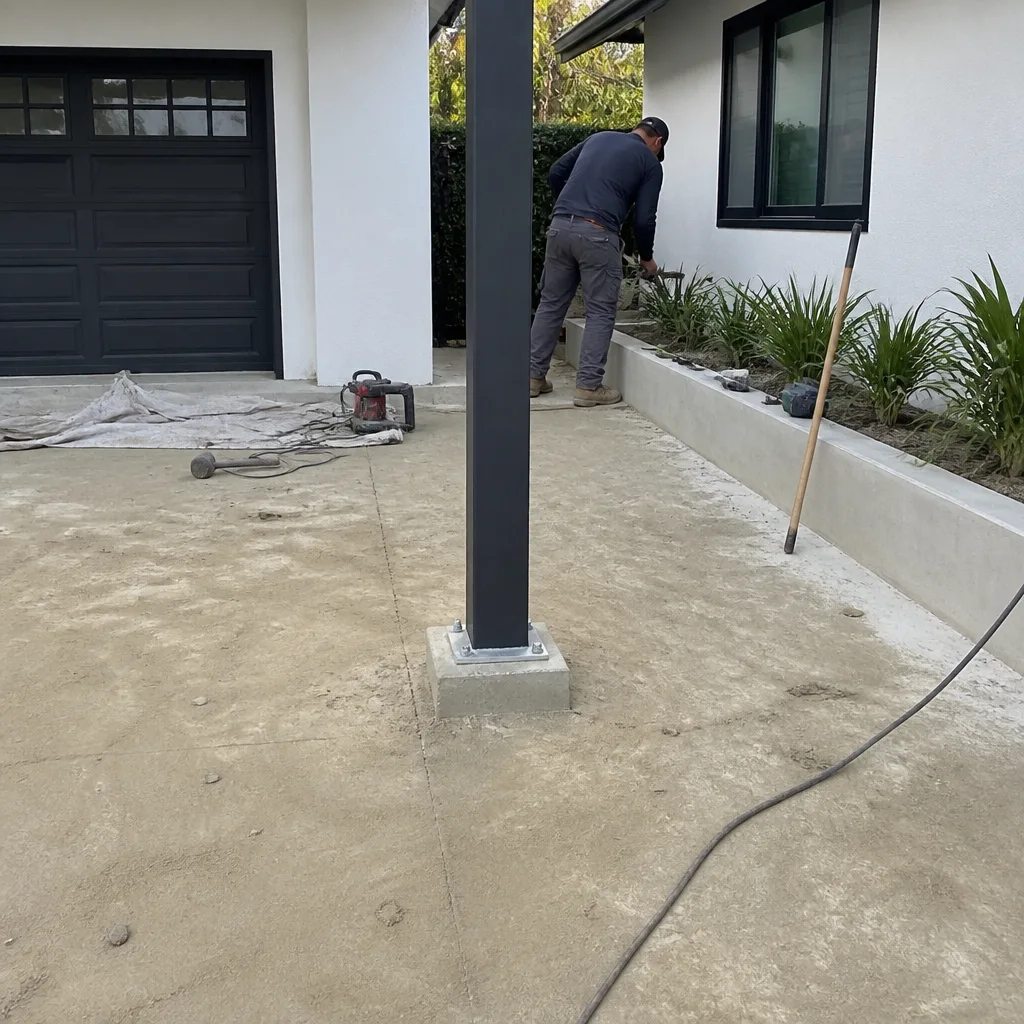 After
After Before
 After
After Before
 After
AfterReplacement Cost & What’s Included
Here’s the honest spread for Woodland Hills, in writing, so you can plan without calling three different shops:
- Full Plant Prefab addition, 400 – 800 sq ft, on an existing foundation: $45,000 – $90,000
- Detached ADU with new foundation, panel system, and utility trenching: $90,000 – $220,000
- Garage conversion to livable space (if your Plant Prefab structure is a converted garage): $30,000 – $80,000
- Panel joint repair, re-flashing, and reseal on an existing addition: $2,000 – $6,500, depending on how many linear feet of seam are involved
What drives the range in Woodland Hills specifically: hillside lots above Topanga Canyon often need pier-and-grade-beam foundations instead of slab, which adds real money. Utility trenching from the main house to a rear-lot ADU can run $5,000 – $15,000 alone depending on how much rock the excavator hits. Every bid we write gives you a line-item price before work starts. The number you approve is the number you pay, and that’s covered under the 365-Day Done Right Promise.
DIY or Call Us?
You can safely inspect a couple of things yourself. Walk the addition’s perimeter after the next rain and note where water stains appear on the interior ceiling. Check the corner plates for rust or paint gaps and mark where they are. Take photos. That’s information we can use. What you should not do is get on the roof of a panelized structure without fall protection, and you shouldn’t try to re-flash panel seams with hardware-store tape and a caulk gun. Panelized buildings move more than stick-framed additions, and the wrong sealant fails the same season while the real issue, the fastener schedule and the flashing profile, goes untouched. If the panels are shifting, the fix starts at the foundation or the connection plates, not the seam. Call (341) 217-2776 and we’ll tell you honestly whether it’s a repair or a rebuild. The estimate is free either way.
FAQs
A properly installed Plant Prefab addition on a correctly built foundation should last as long as any well-built home, 50+ years with normal maintenance. What fails first in this climate is the weather sealing at panel seams, roof penetrations, and door and window flashings, typically within 10 – 15 years if they weren’t installed to factory spec. Our panel joint work is covered by the 365-Day Done Right Promise, and we spec materials built for the valley heat and winter rain cycles.
Yes, and that’s the most common call we get. Panel joint repair, re-flashing, and reseal costs $2,000 – $6,500 on most Woodland Hills structures, far less than new construction. What we can’t repair is a failed foundation that’s causing panel shift, so the first step is always confirming why the seam opened before we quote the fix. Call (341) 217-2776 to schedule a look, and we’ll price the repair honestly if one is warranted.
A panel seam repair usually runs two to four working days once we’re on site. Full additions and ADUs are different; a 400 – 800 sq ft addition on an existing foundation typically runs 10 – 16 weeks, and a detached ADU with new foundation and utilities runs 4 – 6 months in Woodland Hills. Permit times vary, and we pull the permits ourselves so the schedule doesn’t stall on paperwork.
We carry the common panel fasteners, flashing profiles, and seam tapes that Plant Prefab systems call for, along with matching trim stock for interior and exterior panel lines. For larger factory items like full replacement panels or custom window packs, we order exact-spec components and have them on site before we open the wall. You won’t wait three weeks for a backordered part while the opening sits exposed. Call (341) 217-2776 and we’ll tell you the same day whether we have the part in the truck or need to order it.
Written by Luca Romano, Owner, Sawyer Remodel Woodland Hills at Sawyer Remodel Woodland Hills, serving Woodland Hills and nearby areas.