
Free written scope consultation - allowances, timeline, and change-order rules on paper before a single trade is scheduled
Caesarstone Roofing: The Woodland Hills Owner’s Guide
We stock and install Caesarstone-compatible roofing components for Woodland Hills homes, with typical installed costs falling between $400 and $1,800 for most repairs and $8,000 to $20,000 for full roof replacements. Most owners discover a problem the same way: water staining on a ceiling, granules collecting in a gutter after the Santa Ana winds, or a shingle flapping loose after the last heat wave. We keep common Caesarstone-profile fasteners, sealants, and flashing on the truck so a leak assessment in Woodland Hills usually takes one visit, not three.
Here’s what matters before you start guessing at part numbers. Caesarstone’s roofing line is less common in the U.S. than their quartz countertops, so matching parts correctly takes a specific kind of care. A lot of what we see labeled “Caesarstone roofing repair” around Woodland Hills is actually a countertop-to-roof-deck flashing problem at a parapet or a curb. We figure out what the actual part is before pricing anything.
Which Caesarstone Models This Applies To
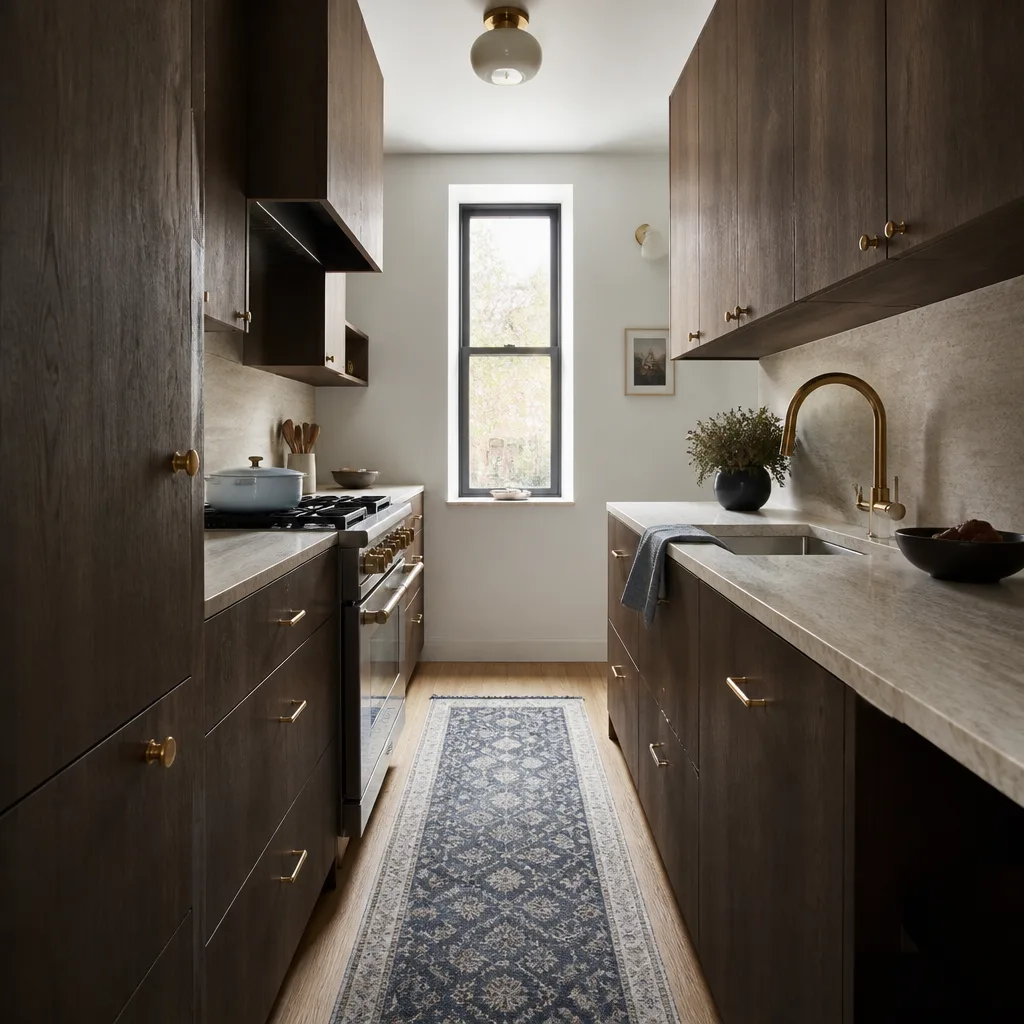
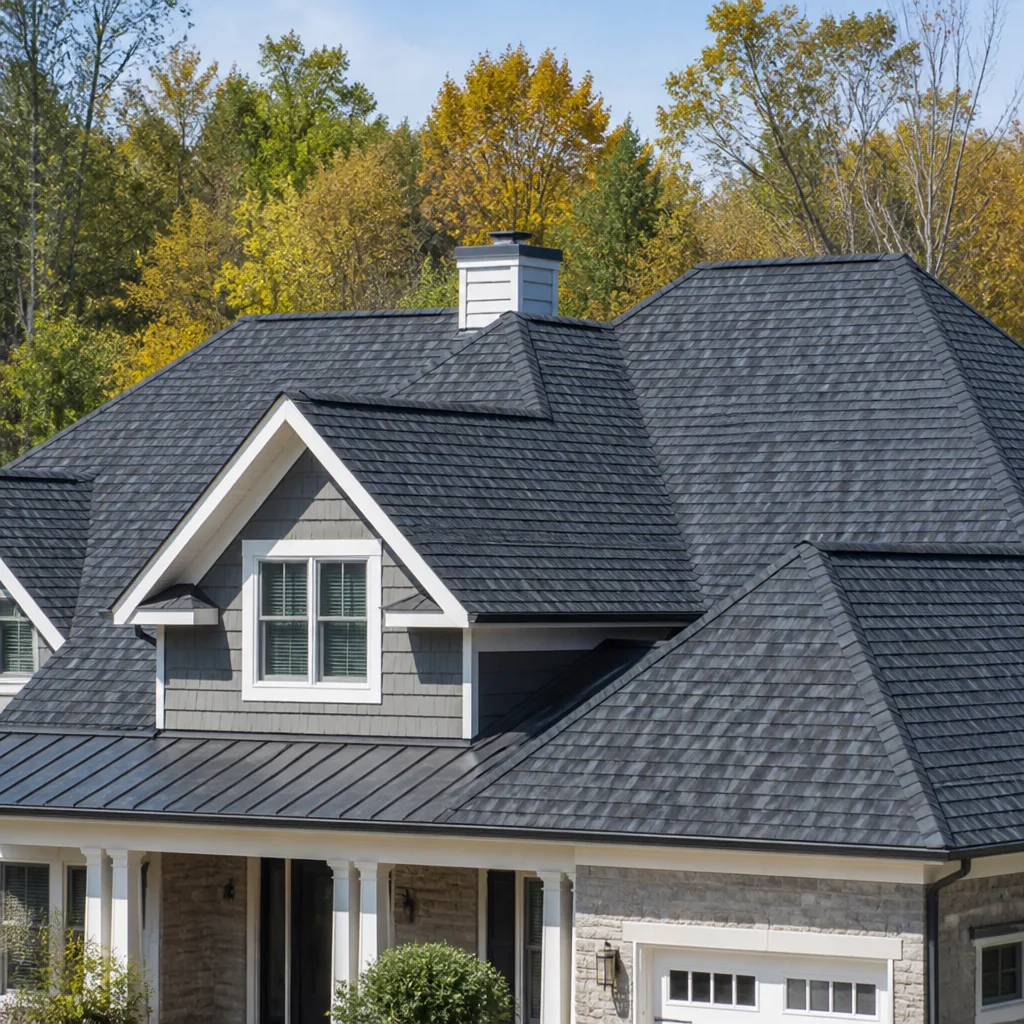
Caesarstone’s roofing materials show up in Woodland Hills primarily as prefinished flashing, curb caps, and edge-metal profiles that complement their exterior quartz surfaces used in outdoor kitchens and rooftop decks. If your home has a Caesarstone-topped parapet or a rooftop entertaining area, the seam between the quartz and the roofing membrane is where parts fail first.
To identify the right part, check the underside of any loose flashing or the edge of a curb cap for a stamped series code. Caesarstone uses a two-letter prefix followed by four digits (for example, CS-4100 or CS-5200) on most of their architectural edge profiles. Measure the profile height in millimeters because Caesarstone’s metric sizing trips up a lot of generalists. If the label is gone, match the gauge and bend radius against a known sample before ordering anything.
OEM Caesarstone edge metal runs about 30 to 40 percent higher than a quality aftermarket equivalent in the same gauge, but the aftermarket piece often needs field modification to get the reveal consistent. For exposed decorative profiles, we recommend OEM. For concealed flashing that no one sees once the countertop goes on, a 24-gauge aftermarket profile with the same bend geometry does the job. Sawyer Remodel Woodland Hills is an independent contractor and not affiliated with Caesarstone, so we quote both options without a horse in that race.
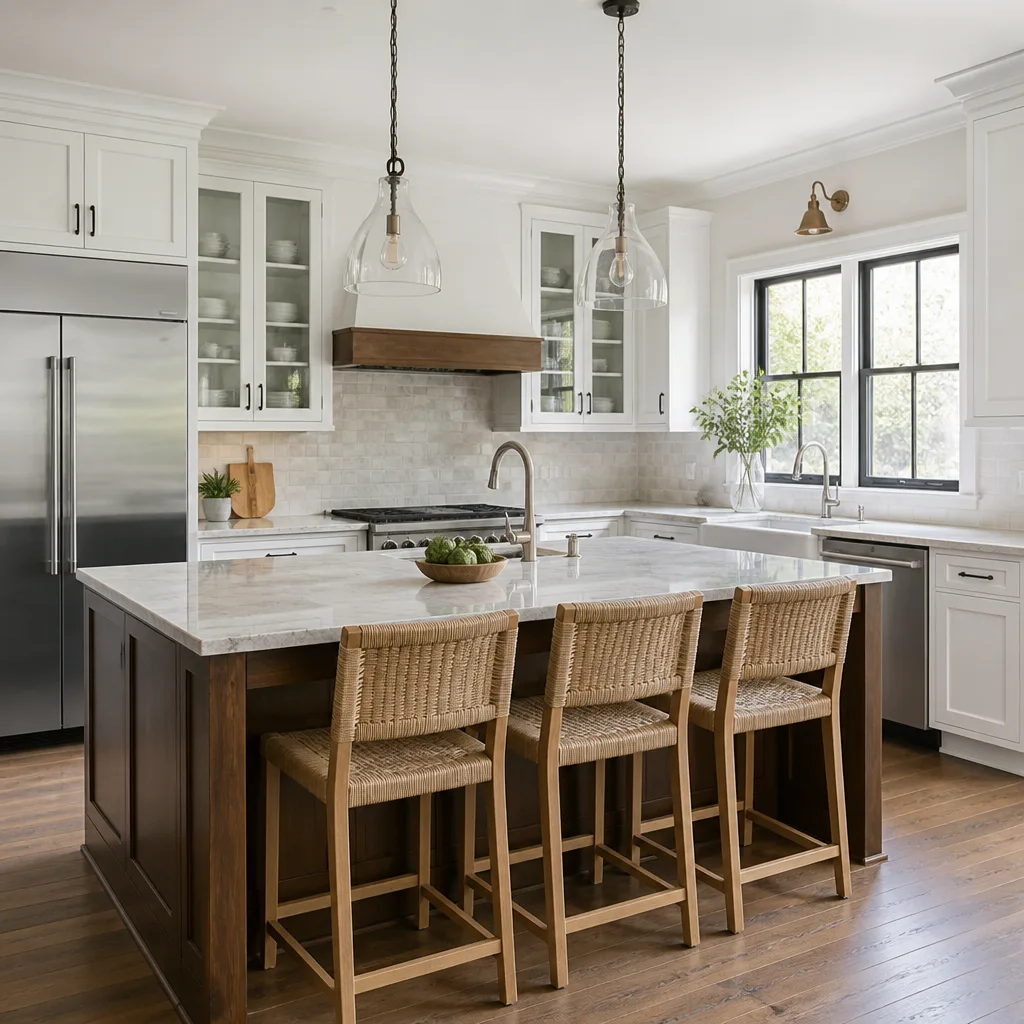
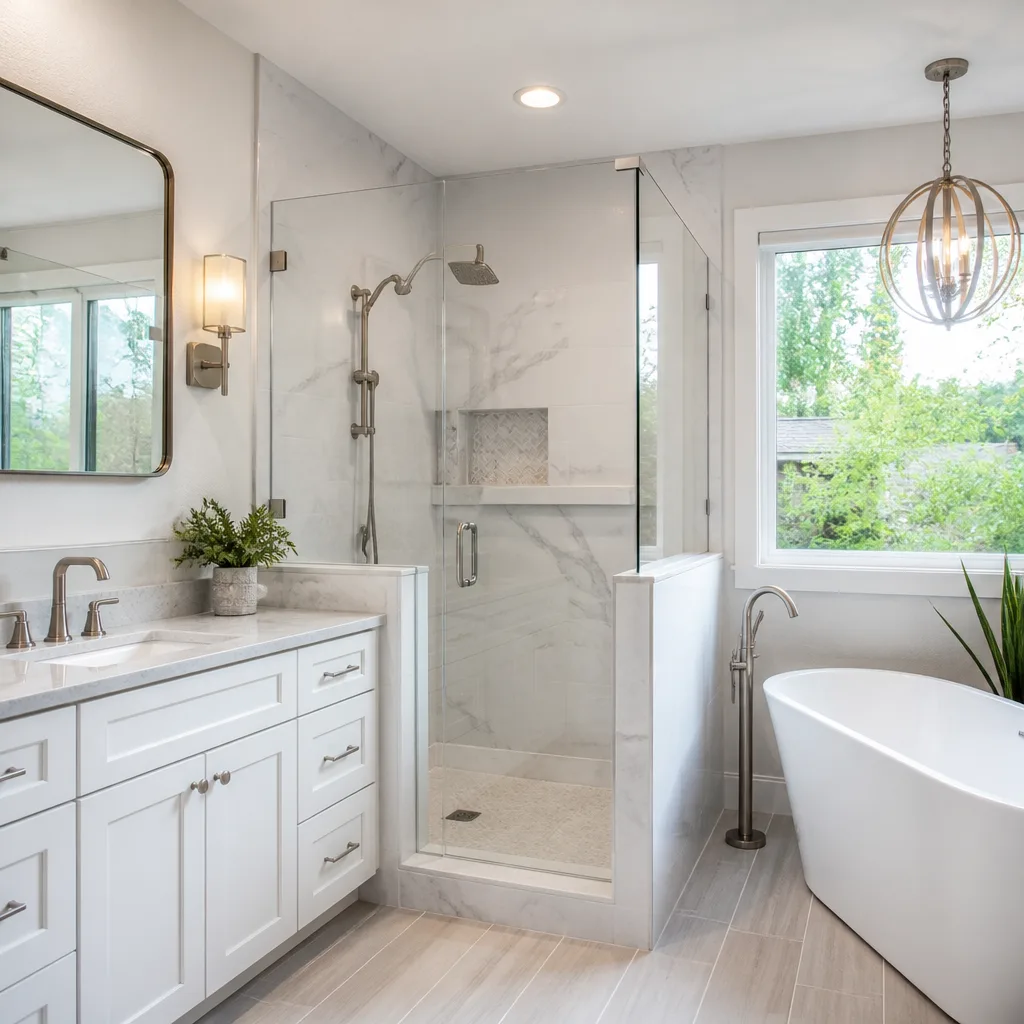
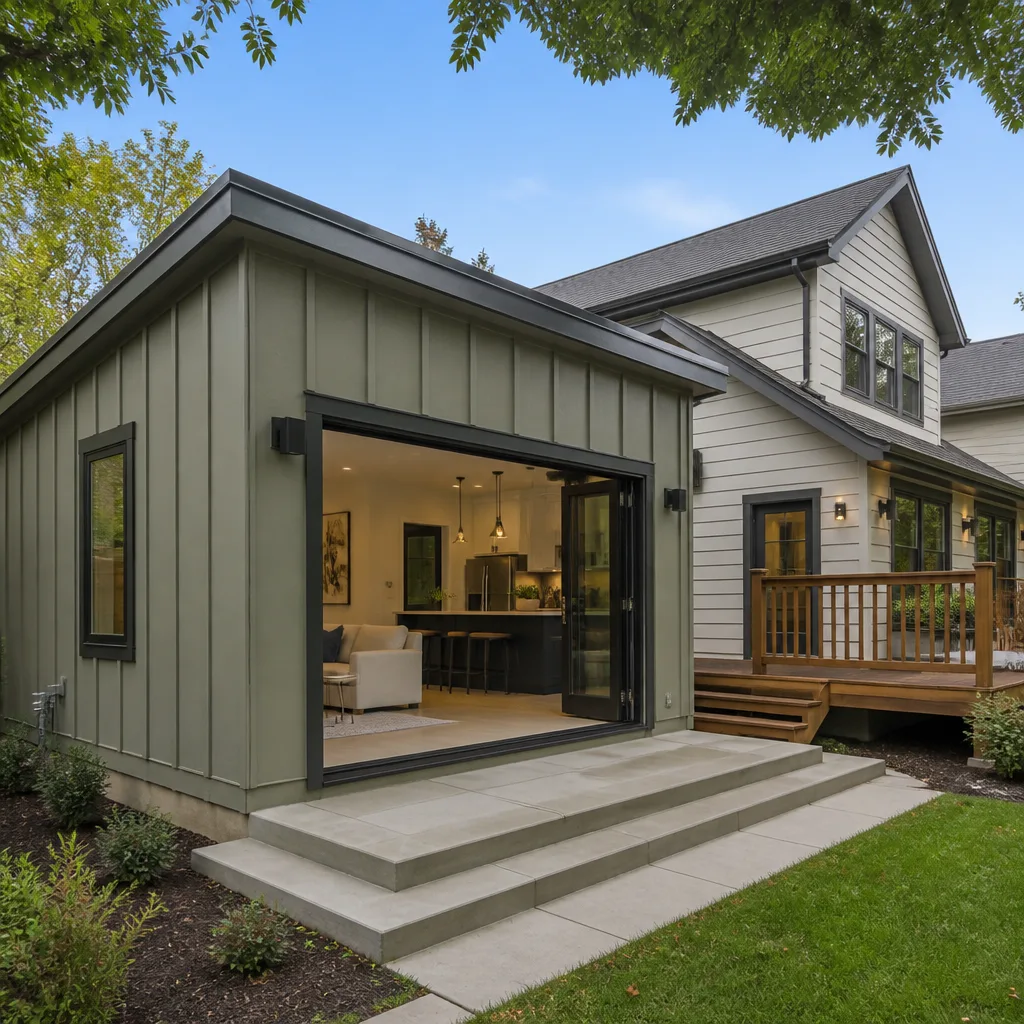
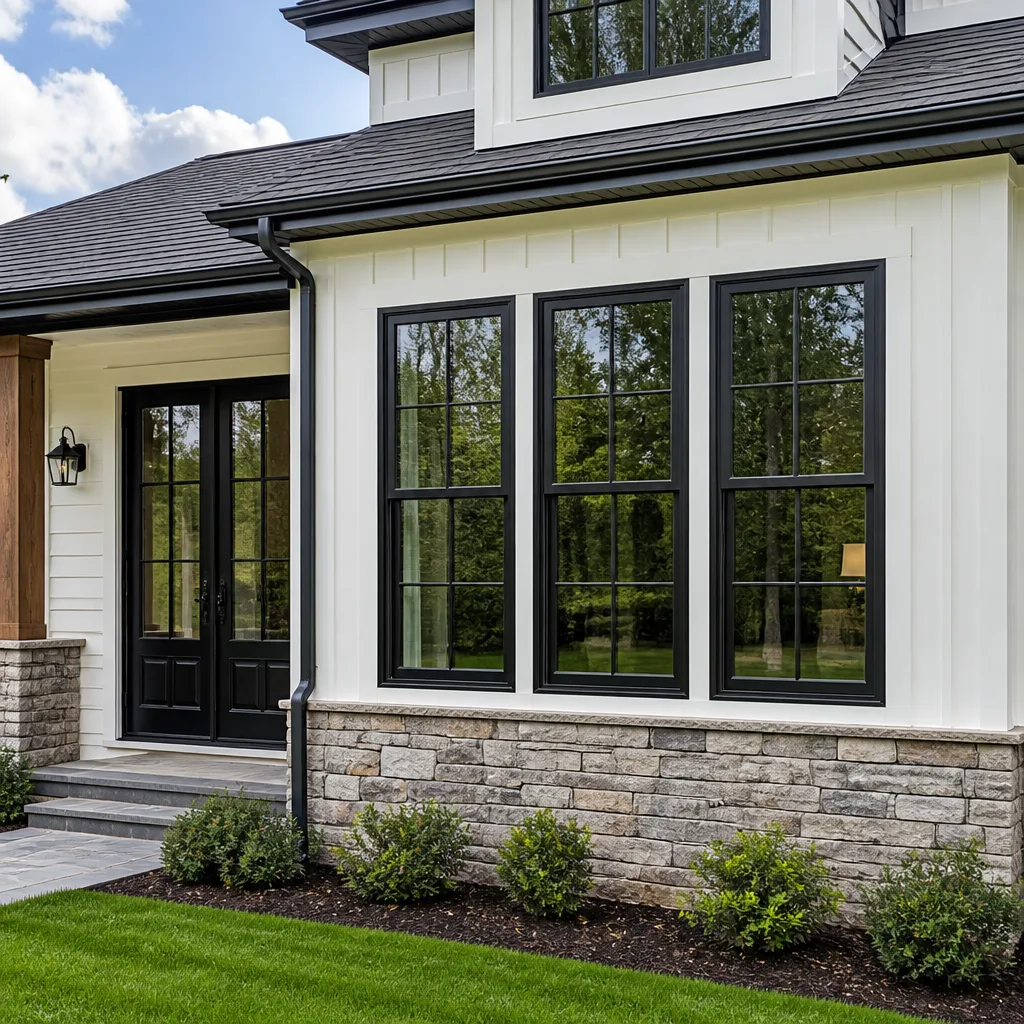
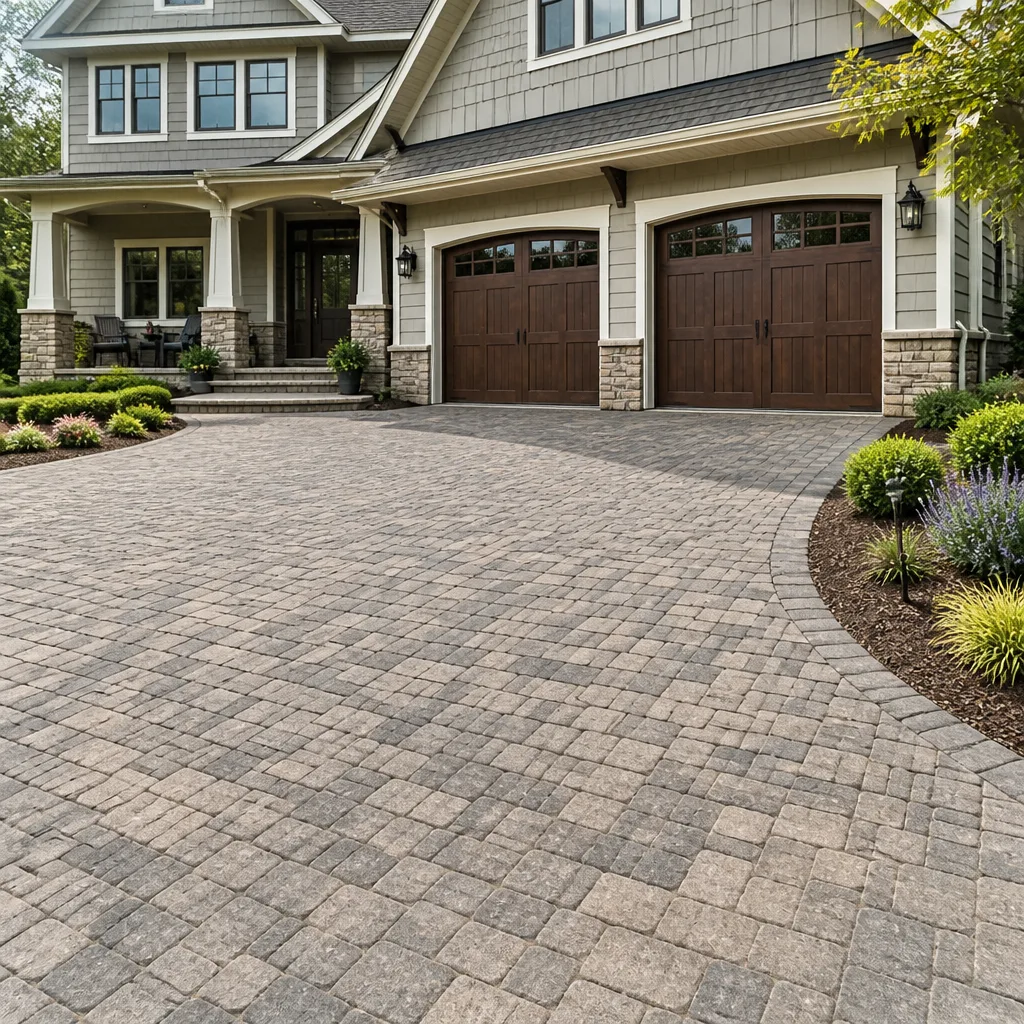
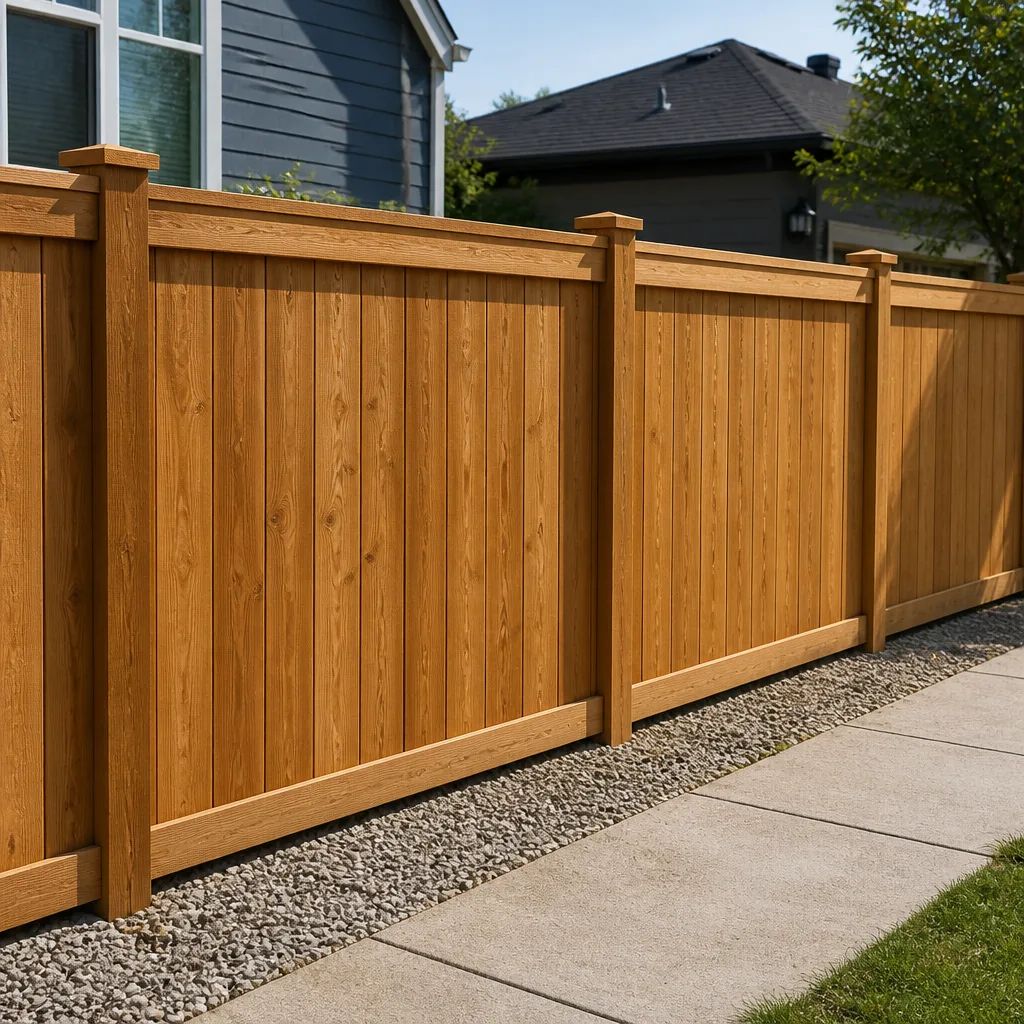
Styles & brands we work with
Signs Your Caesarstone Roofing Is Failing
- Water stains in the ceiling below a rooftop deck or parapet. This usually means the transition flashing between the Caesarstone surface and the roof membrane has pulled away or the sealant at the seam has dried out. Woodland Hills summers bake sealant until it shrinks, and the first winter rain finds the gap.
- Granules or small stone chips washing into the gutters after rain. If you have a Caesarstone-topped roof feature with embedded aggregate, UV exposure in the Valley breaks down the binder over time. What you’re seeing in the gutter is the surface wearing away faster than it should.
- A visible gap or lifted edge where the Caesarstone profile meets the roof deck. Thermal movement is the usual cause. Woodland Hills swings 40-plus degrees between a summer afternoon and a winter morning, and rigid stone plus rigid metal don’t move together without stressing the joint.
- Rust staining running down from a caesarstone curb cap or edge profile. This tells you the galvanized layer under the profile has failed and water is now sitting against raw steel. It fails from the inside out, so by the time you see the stain, the part is done.
- A hollow or drumming sound when you walk past a rooftop Caesarstone feature. That’s usually a fastener backing out or a substrate that’s starting to delaminate underneath the stone. It means the anchoring system, not the stone itself, is the failed part.
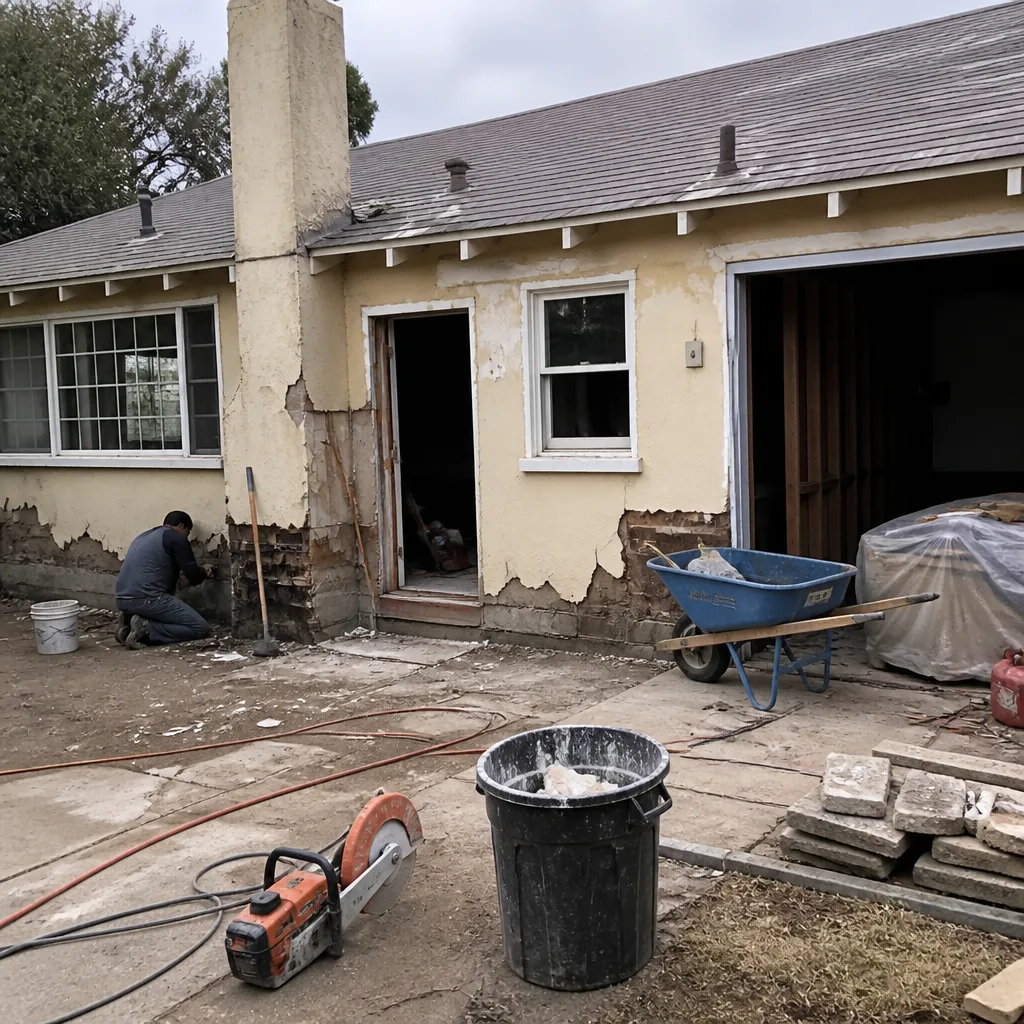
See the difference
 Before
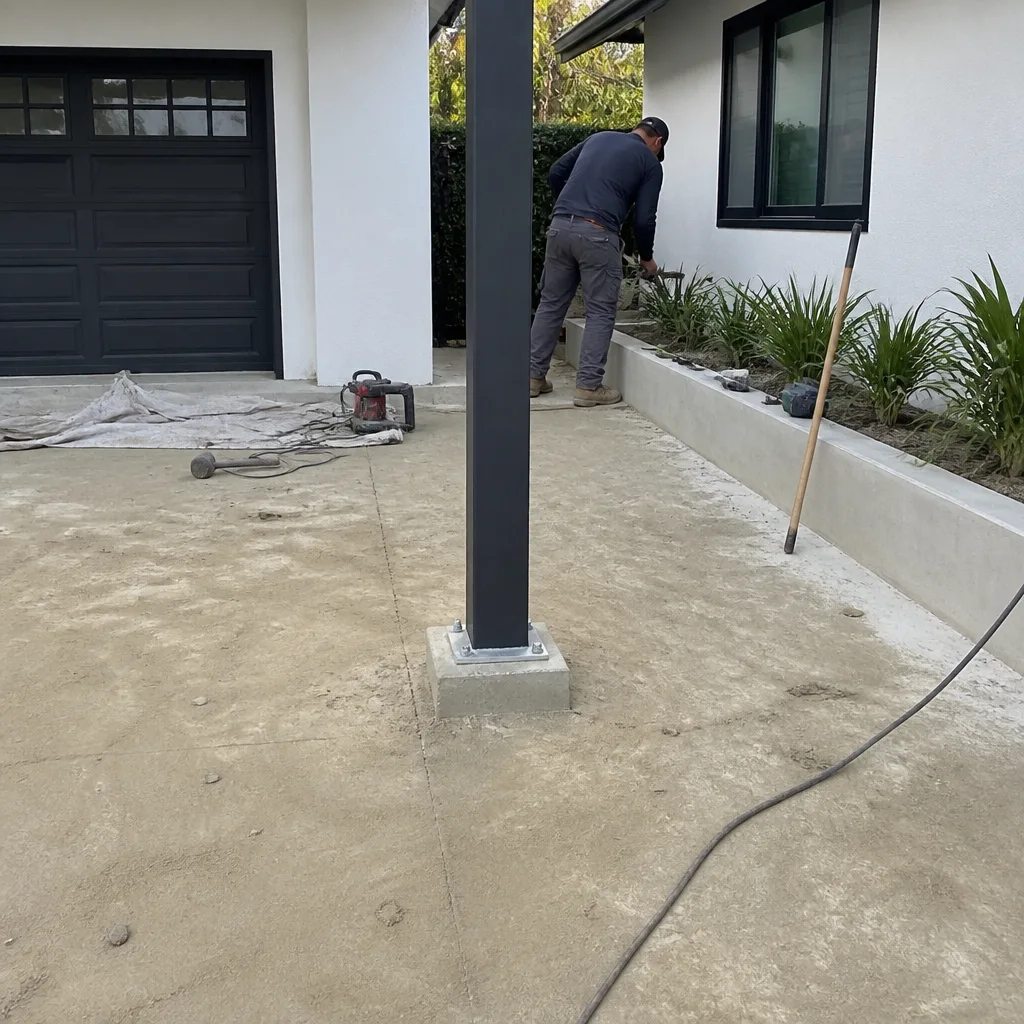 After
After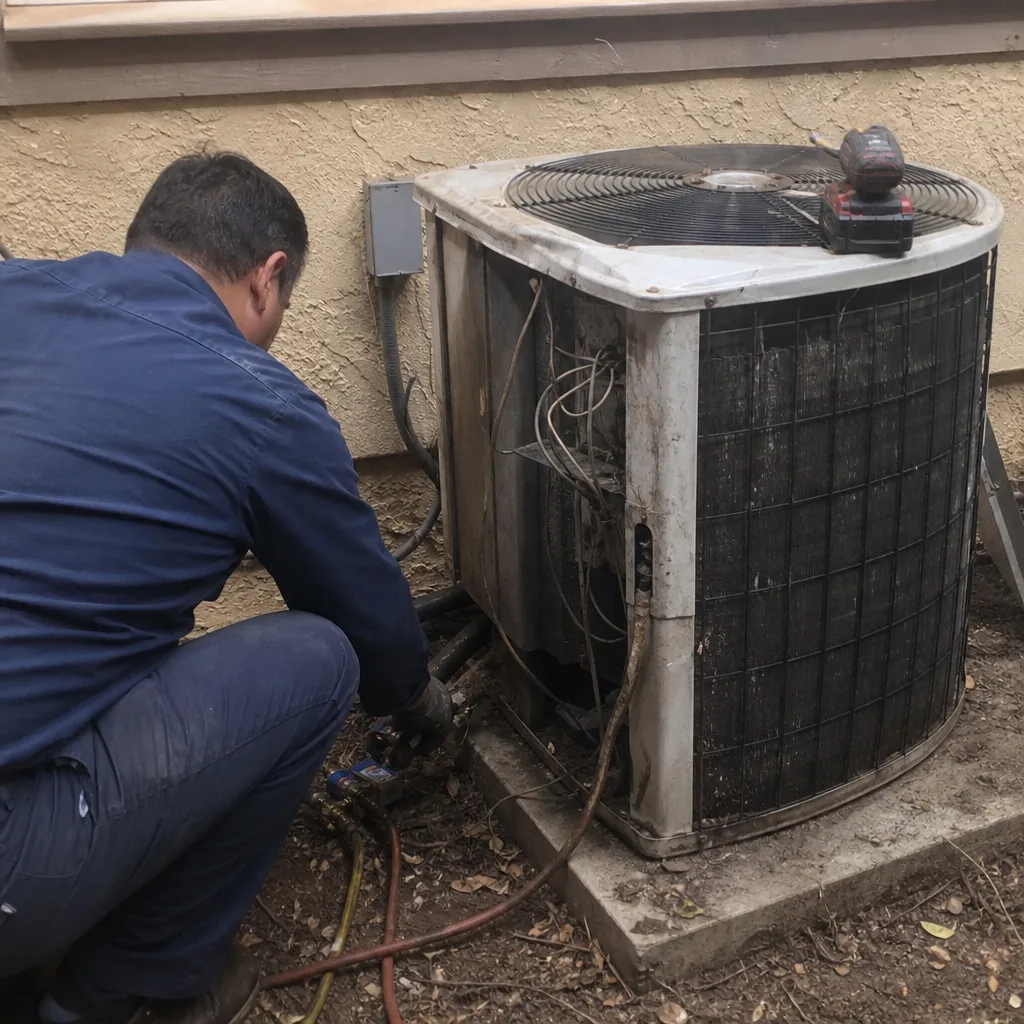 Before
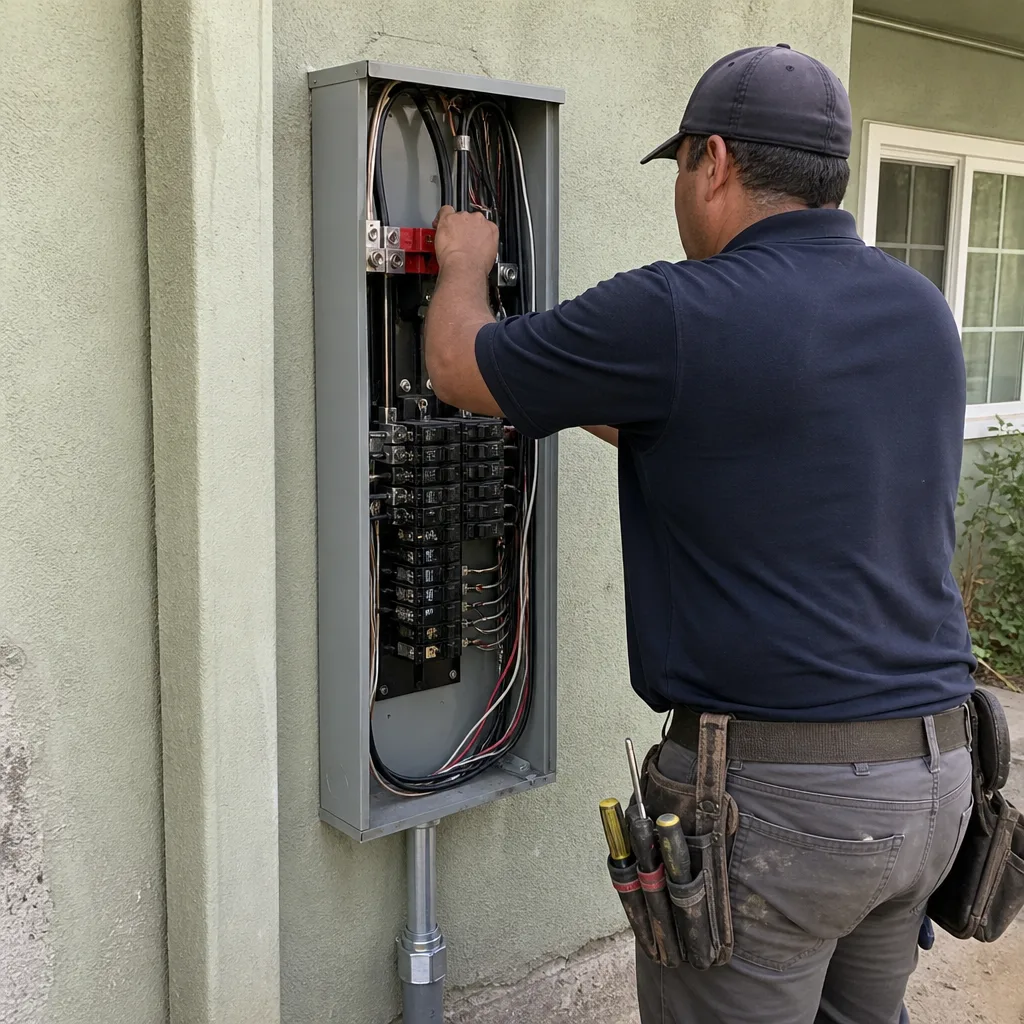 After
After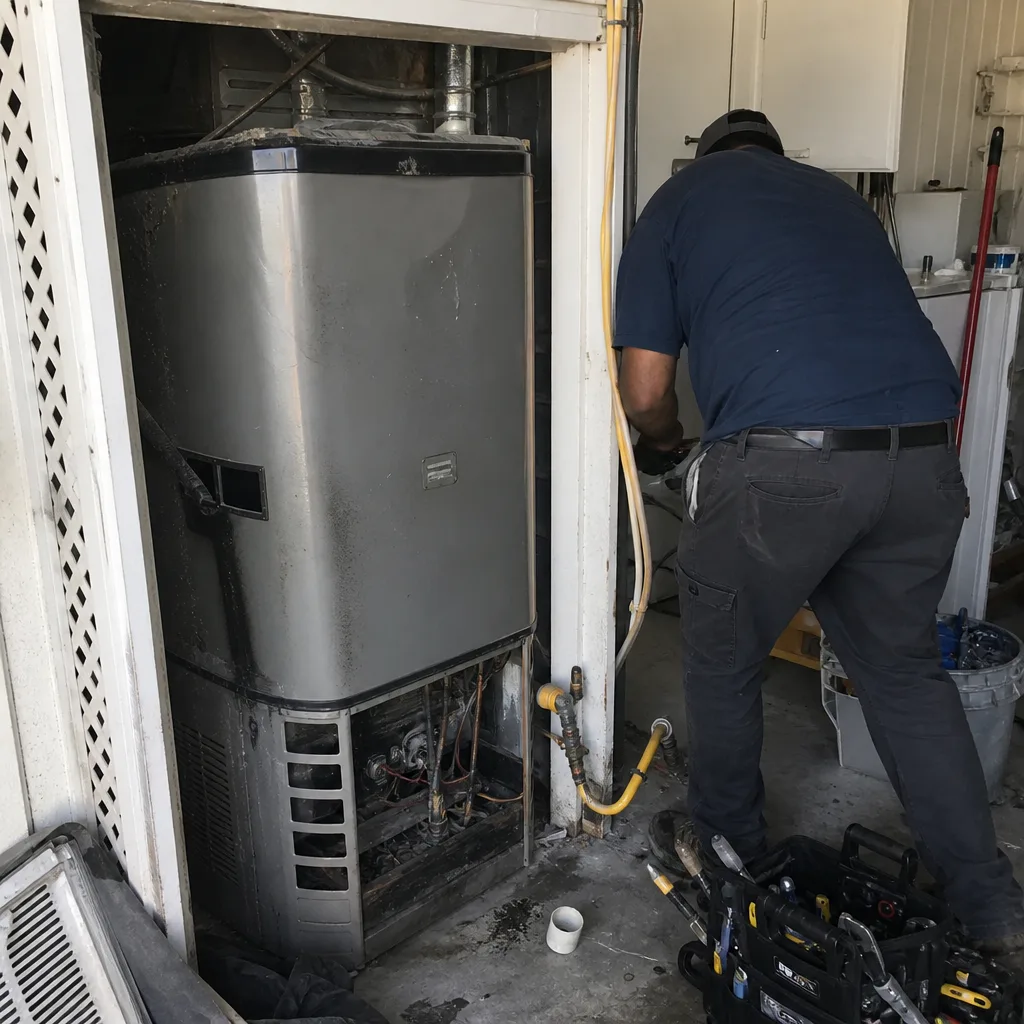 Before
 After
AfterReplacement Cost & What’s Included
Most Caesarstone roofing part replacements in Woodland Hills land between $400 and $1,800 when the issue is isolated to flashing, a curb cap, a seam, or a single section of edge metal. If the failed part has allowed water into the roof deck and the membrane underneath needs replacement, you’re looking at $8,000 to $20,000 for the full job depending on square footage and deck condition.
What drives the range: whether we’re replacing a part or repairing the damage the failed part caused, how much of the existing Caesarstone surface has to be lifted to access the part, and whether OEM or aftermarket materials make sense for your profile. Every quote is a written line-item number before we start, and the 365-Day Done Right Promise covers the work for a full year. If the part fails again in that window, the second visit is free.
DIY or Call Us?
You can safely check a few things yourself: look for visible gaps at the seam between the Caesarstone surface and the roof, check your gutters for unusual debris, and note whether any profile feels loose when you press on it. That’s where DIY should stop, because what looks like a simple sealant fix usually isn’t.
The problem is that failed flashing and failed substrate look identical from the outside, and sealing over a rotted deck buys you a few months at best. We’ve also pulled apart DIY repairs where someone used construction adhesive on Caesarstone profiles and the expansion stress cracked the stone itself. That turns a $600 part into a $3,000 surface replacement. If you’re in Woodland Hills and you’re not sure what you’re looking at, call (341) 217-2776 and we’ll tell you straight.
FAQs
Caesarstone’s architectural profiles and flashing are engineered for roughly 20 to 30 years of service, but exposure to the Valley’s UV intensity and 40-degree seasonal temperature swings typically cuts that to 15 to 20 years before the first part fails in Woodland Hills. If you’re replacing a part before year ten, the install was likely the problem, not the material. Call (341) 217-2776 if you want us to assess what you have.
Light surface wear on a Caesarstone profile can sometimes be re-sealed, but anything involving failed flashing, backed-out fasteners, or a compromised substrate needs replacement because the failure is underneath what you can see. Patching over a failed part just buys time and usually costs more when it fails again. Call us for an honest read on whether repair is realistic for your roof.
Most single-part replacements, like a section of flashing or a curb cap, take between four and eight hours on site once the part is in hand. If we’re pulling up Caesarstone surface material to access the roof deck and replacing the membrane underneath, the job typically stretches to two or three days. We’ll give you a written timeline before we start.
We keep common 24-gauge aftermarket edge profiles, sealants, fasteners, and transition flashing on the truck for Caesarstone-compatible repairs in Woodland Hills. OEM Caesarstone profiles are usually a one to two week order, so we quote both options and let you decide whether the wait for the factory piece is worth it for your situation.
If you’ve got a Caesarstone feature on your Woodland Hills roof and something isn’t right, don’t let it ride through another rain season. Call Sawyer Remodel Woodland Hills at (341) 217-2776 for a free estimate. We’ll tell you which part failed, what it costs to fix, and how long the work will take, all in writing before anything starts.
Written by Luca Romano, Owner, Sawyer Remodel Woodland Hills at Sawyer Remodel Woodland Hills, serving Woodland Hills and nearby areas.