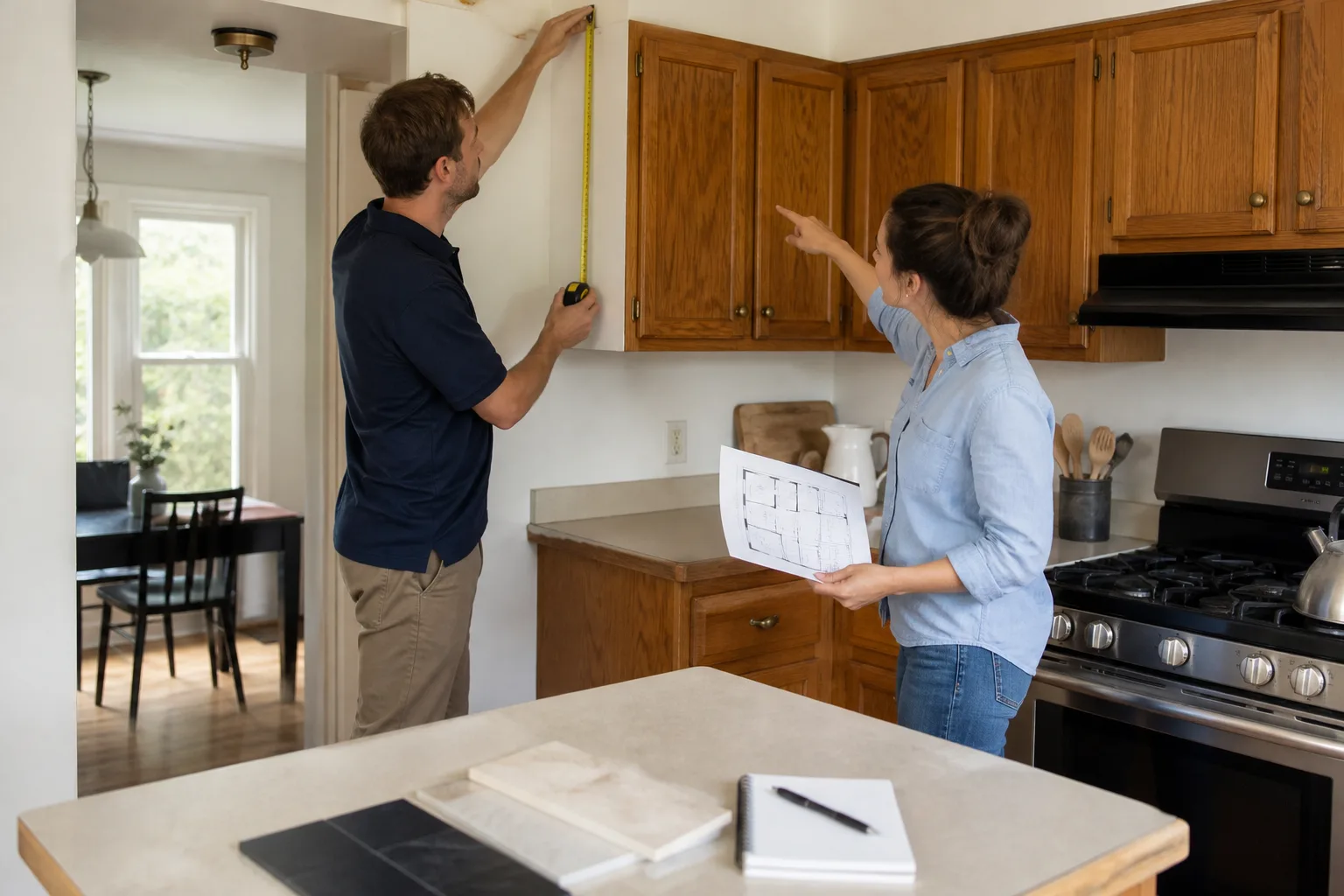
Free written scope consultation - allowances, timeline, and change-order rules on paper before a single trade is scheduled
CGI Home Additions & ADU: The Woodland Hills Owner’s Guide
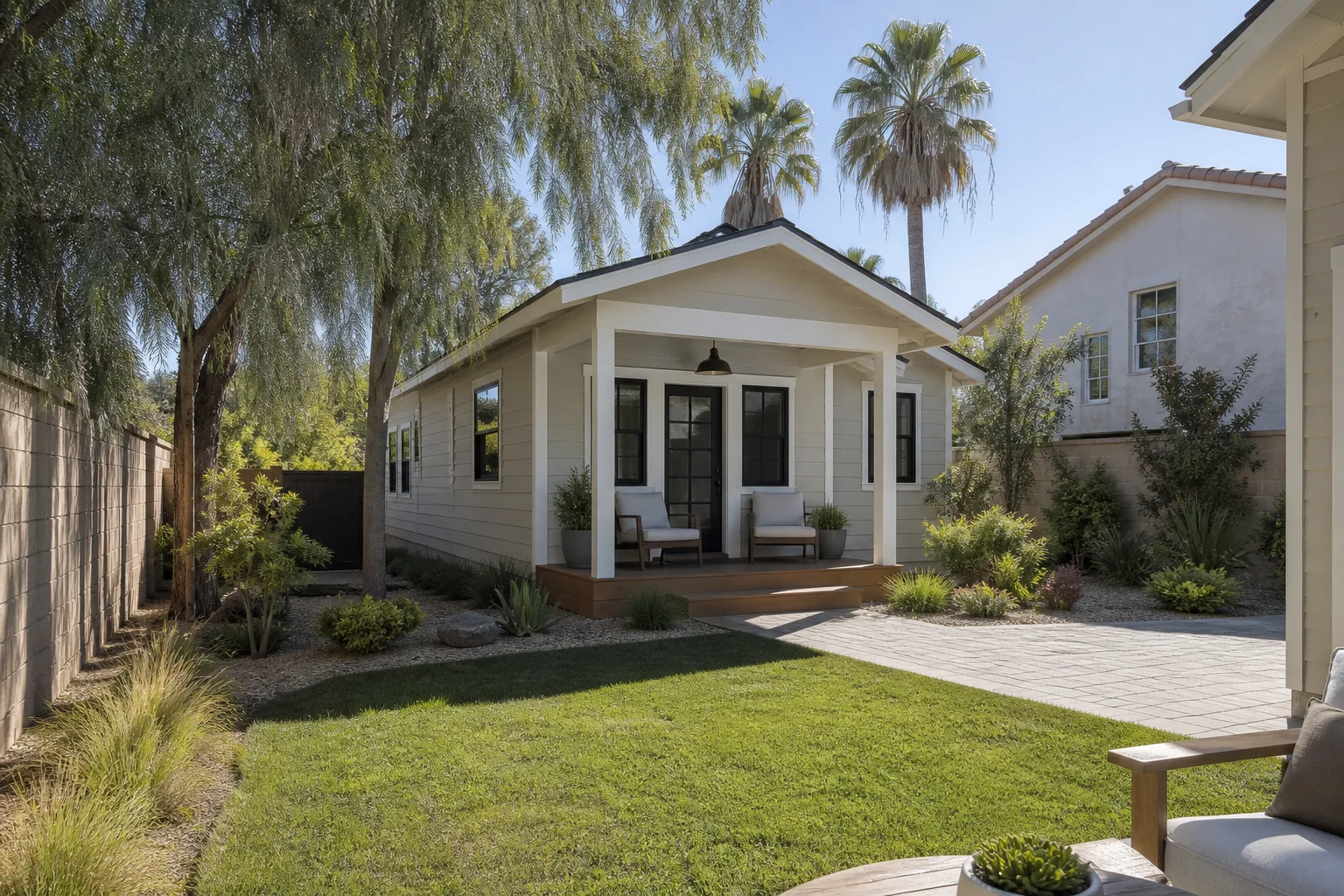
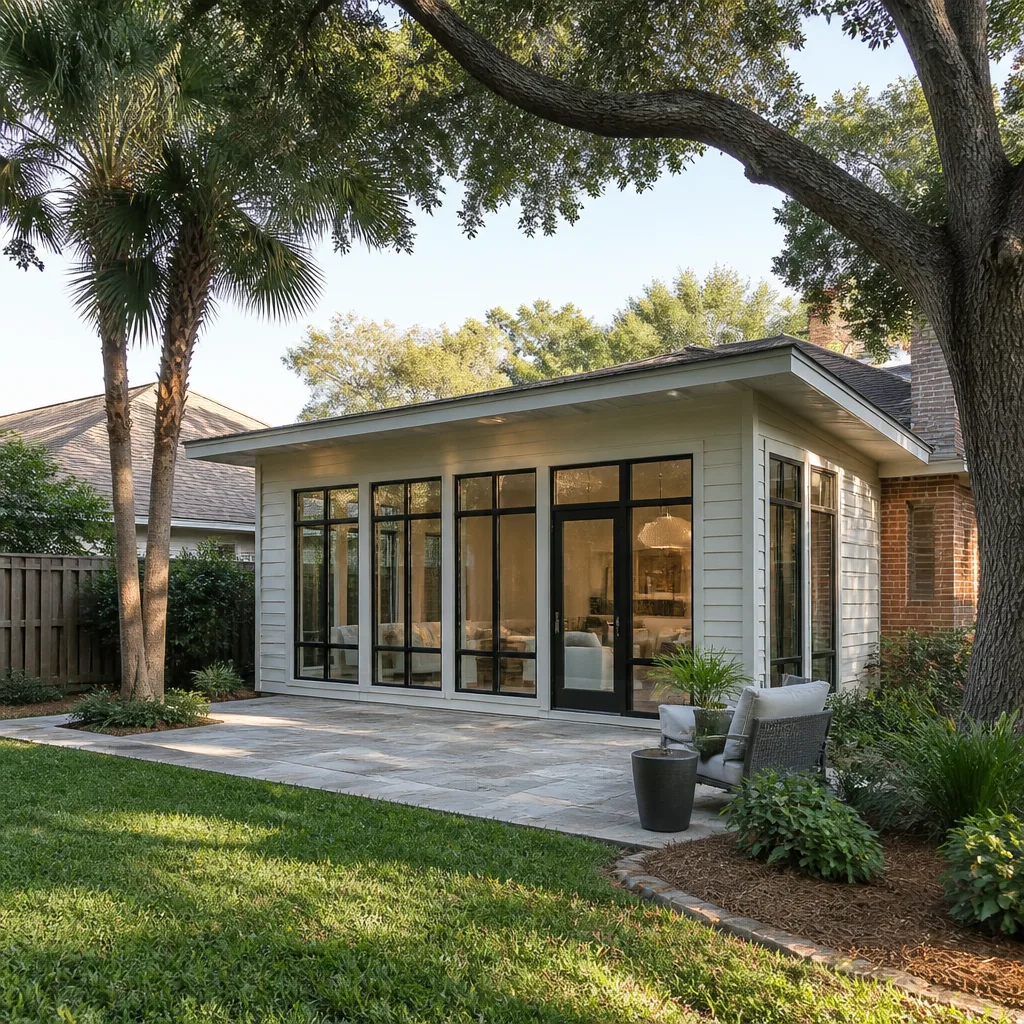
CGI home additions and ADU projects in Woodland Hills typically run $45,000 to $130,000 fully permitted and built, depending on square footage, foundation work, and finish level. We stock CGI-compatible framing hardware, seismic anchors, and structural connectors on our trucks so we’re not waiting on a parts counter in the middle of your foundation pour. Most owners discover something’s wrong when cracks appear at a new wall-to-existing-house connection, or when the city inspector flags a shear-wall detail that doesn’t meet current CGI-compatible load specs for hillside lots.
The reality in Woodland Hills is specific: we’re on the edge of the Santa Monica Mountains, which means expanding soils, steep lots above Topanga Canyon Boulevard, and L.A. County seismic requirements that generic addition kits don’t always address. Luca Romano and our crew have been pulling permits in the West Valley long enough to know which CGI-spec details the inspector checks first.
Key Takeaways:
- Installed cost for a CGI-compatible home addition or ADU in Woodland Hills: $45,000 – $130,000
- The top failure points are foundation tie-ins and shear-wall anchoring, not the framing lumber itself
- OEM CGI hardware is worth the premium on seismic retrofits; aftermarket equivalents are fine for interior partition framing
- We provide a written price before work starts and a 365-Day Done Right Promise after it’s done
Which CGI Models This Applies To
CGI home additions and ADUs aren’t a single product line like a faucet or a window series. They’re a structural system: the foundation anchors, hold-downs, shear-wall brackets, and tie-down hardware that connect new square footage to your existing house. CGI manufactures these in standard and heavy-duty series, and the difference matters on Woodland Hills hillside lots where lateral loads are higher than flatland builds.
The most common compatibility gotcha we see: homeowners buy the standard CGI hold-down series for an ADU that needs the heavy-duty series because their lot has a slope over 15%. The standard anchors pass on paper for vertical load but fail under the lateral movement L.A. County’s building department checks for hillside construction. Look at the original stamped plans. If the engineer called for CGI HD series or equivalent, don’t swap in a lighter anchor to save $40.
OEM vs aftermarket: for shear-wall brackets and hold-downs, we use OEM CGI hardware. The tolerances are tighter, the galvanization is thicker, and when an inspector sees the CGI stamp, the conversation gets shorter. For interior partition studs, plates, and non-structural connectors, quality aftermarket equivalents from Simpson or USP work fine and save real money. We’ll tell you which is which on the quote, line by line.
Identifying your hardware: CGI stamps their model number directly into the steel. It’s usually on the face of the bracket or the base plate. If you can’t read it, measure the bracket thickness with a caliper. Standard series runs about 10-gauge steel; heavy-duty runs 7-gauge or thicker. That measurement tells us most of what we need to know before we even show up.
Sawyer Remodel Woodland Hills is an independent service provider. We install and source CGI-compatible structural components but are not affiliated with CGI as a brand partner or dealer.
Styles & brands we work with
Signs Your CGI Home Additions & ADU Is Failing
- Cracks at the connection seam where new meets old. This is the classic. When the CGI tie-in hardware is undersized or installed wrong, the addition moves independently from the house and a diagonal crack along the joint appears within the first two rainy seasons.
- Doors inside the addition that stick seasonally. Expanding clay soil in Woodland Hills pushes and settles footings unevenly. If doors in the addition bind in winter and swing free in summer, your foundation anchors are likely under-specified for the soil type.
- A visible gap opening between the sill plate and the foundation. Hold-downs keep the wood frame clamped to concrete. When they loosen or corrode, the sill lifts. It’s usually visible from the crawlspace or along the foundation edge.
- Nail pops and drywall cracks spreading from wall corners. Minor cosmetic cracks are normal in any L.A. house for the first year. What isn’t normal: cracks that grow past a quarter inch or reappear after patching, which points to structural movement, not settling paint.
- City inspector flags the shear-wall nailing pattern or anchor spacing. If an addition was built without permits, the hardware is rarely to current CGI-compatible spec. We see this constantly on garage conversions in the Valley that changed hands.
See the difference
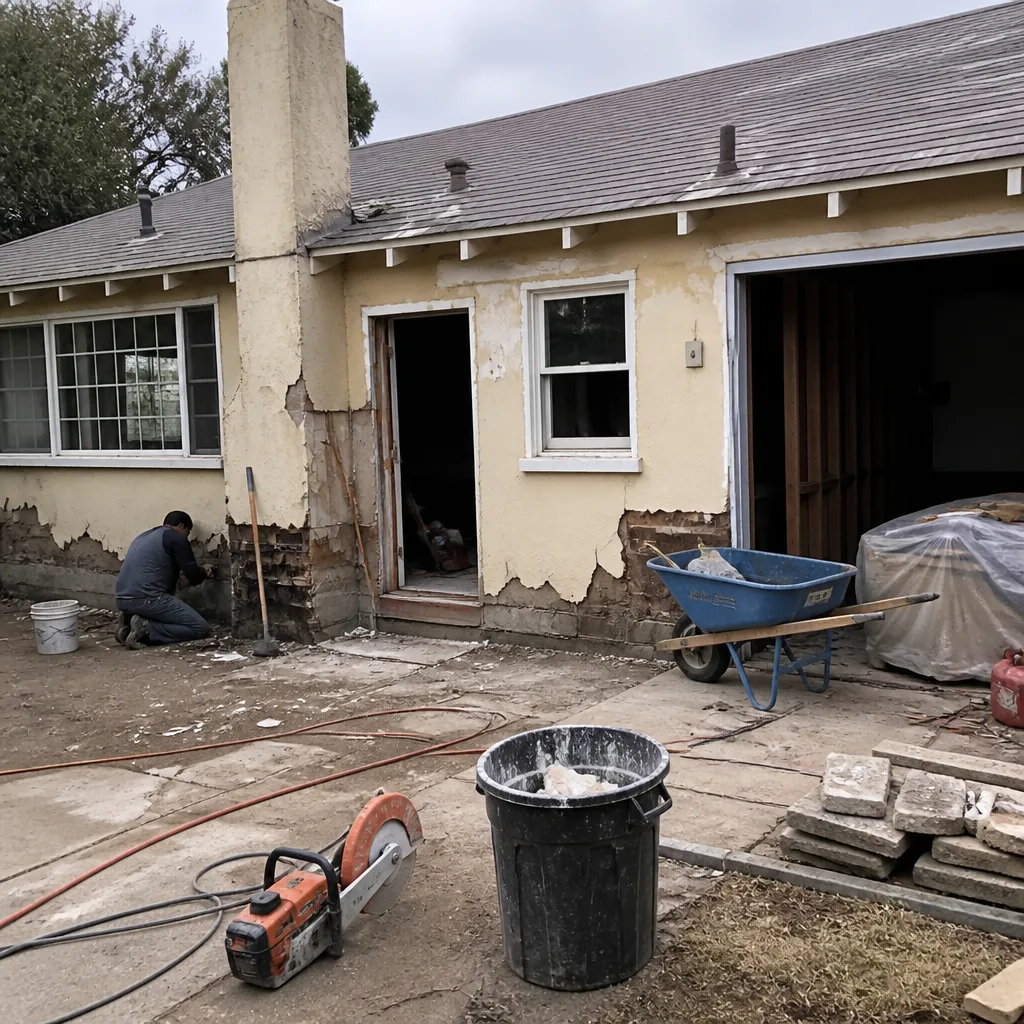 Before
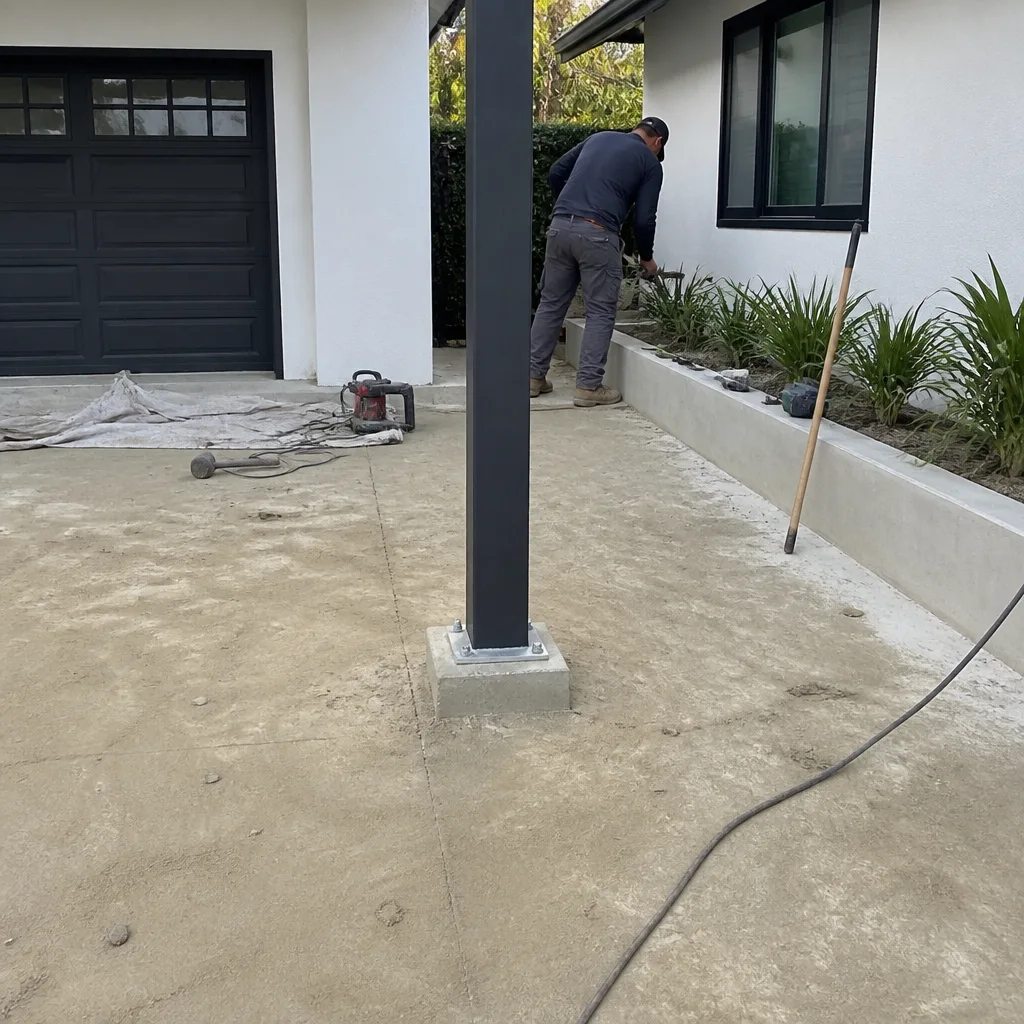 After
After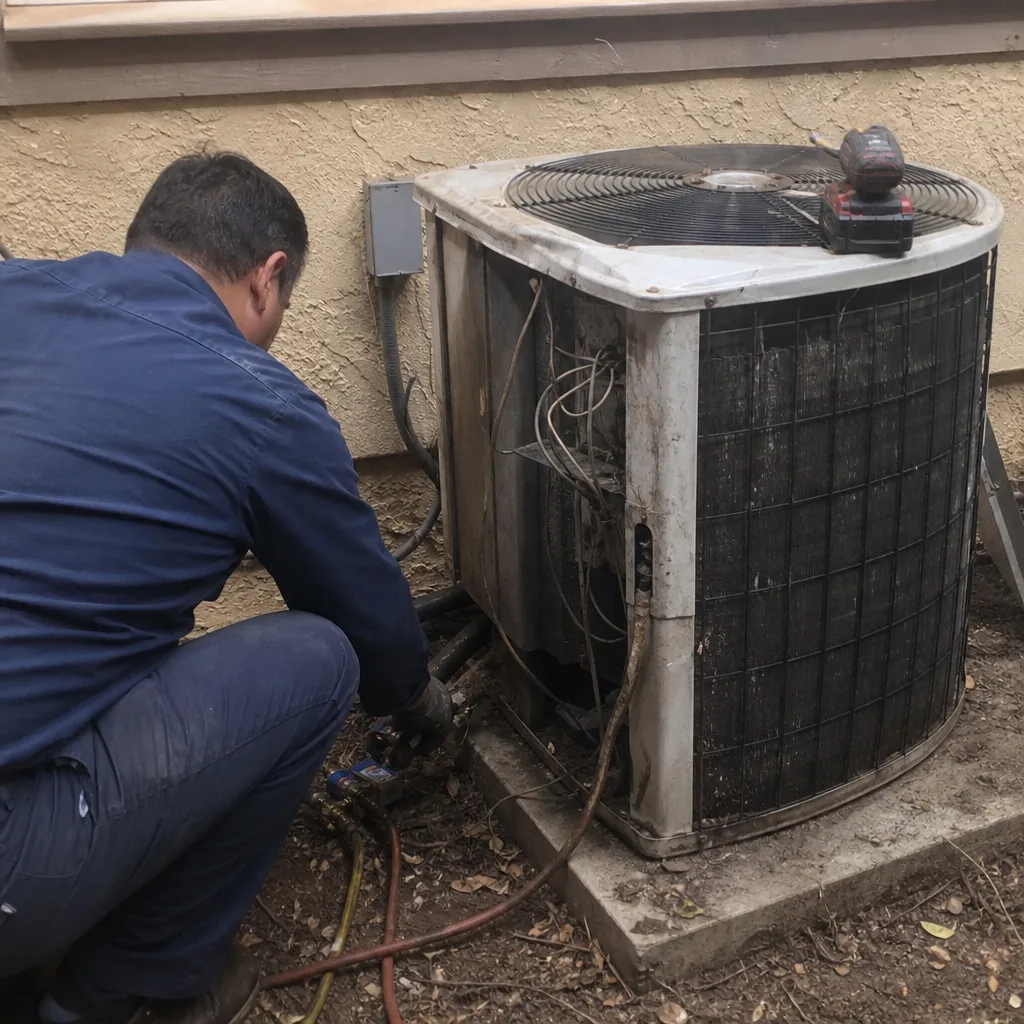 Before
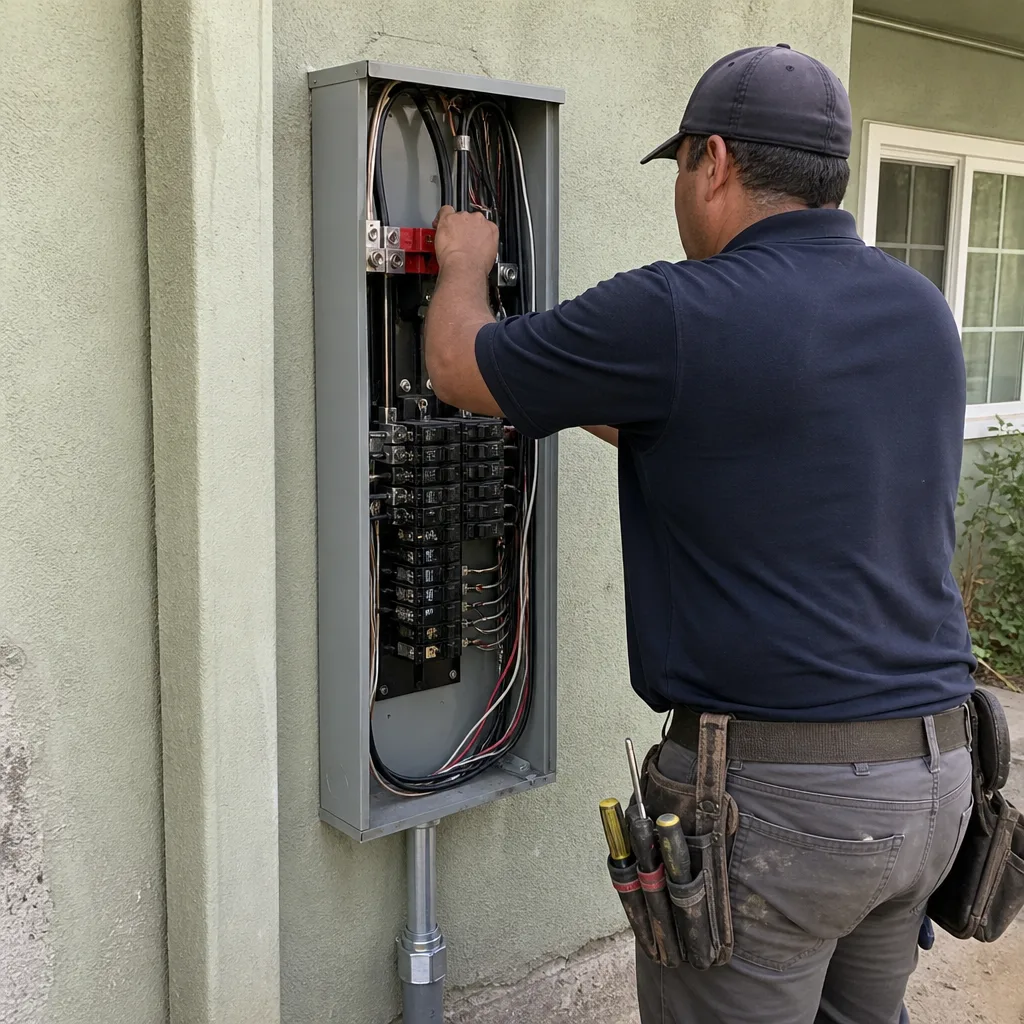 After
After Before
 After
AfterReplacement Cost & What’s Included
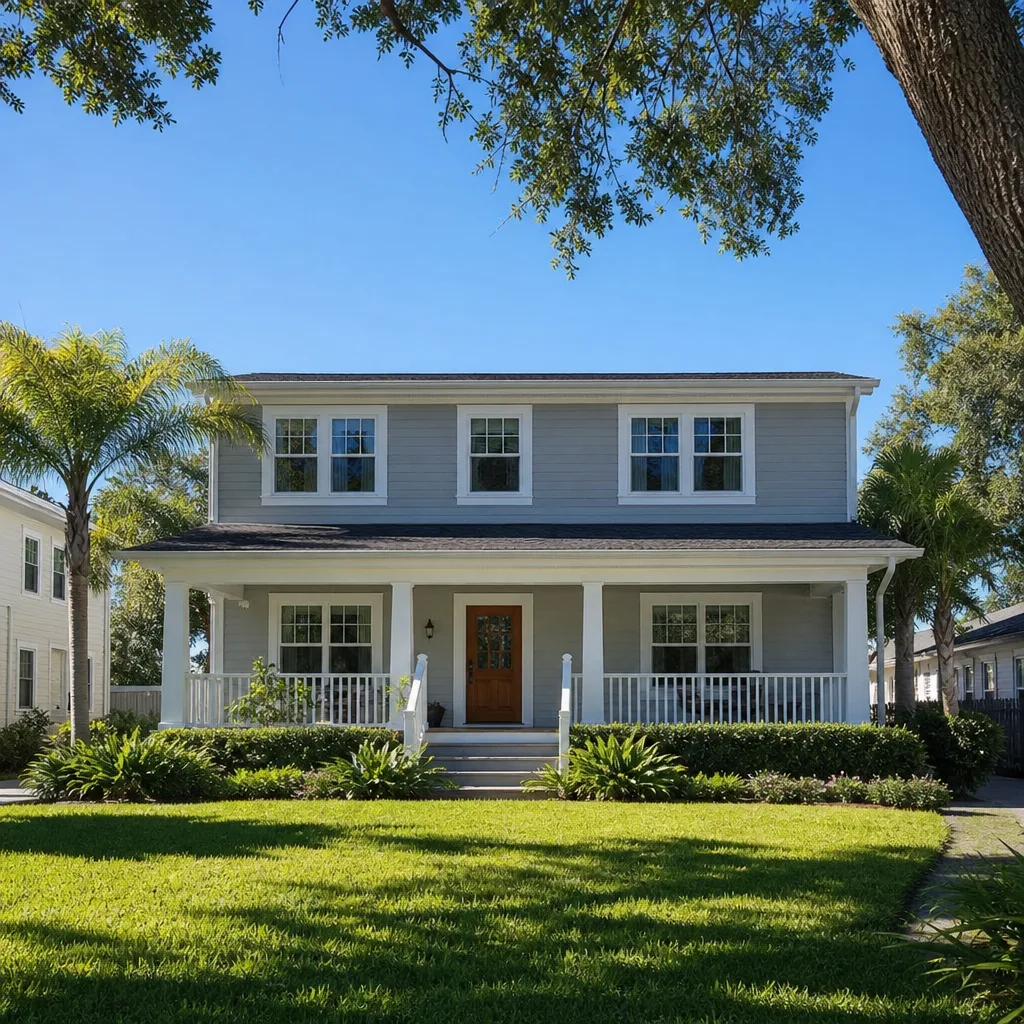
A full CGI home addition or ADU in Woodland Hills runs $45,000 to $130,000. That’s the honest range, and it covers design, engineering, permits, foundation, framing, structural hardware, roofing, electrical, plumbing, drywall, and finish work. The spread is driven by size (a 400-square-foot addition costs less than an 800-square-foot detached ADU), lot slope, soil conditions, and finishes. A hillside ADU above Topanga Canyon Boulevard with deep caissons under the foundation will sit at the higher end of that range, and anyone who quotes you less than that for a hillside build is not budgeting for the engineering.
What’s included in our written quote: the structural hardware line items broken out by part and series, full permit costs, engineer stamps, and a line-by-line breakdown of finish materials. No allowance games, no “pricing subject to change.” The number you approve is the number on the invoice.
Every project includes the 365-Day Done Right Promise: if structural movement, cracking, or any installation defect shows up within a year of close, we fix it at no cost. The work itself carries our labor warranty, and manufacturer warranties on CGI hardware and our other building-material partners (KraftMaid, Cambria, Silestone) are handled through us, not left for you to chase.
DIY or Call Us?
Let’s be direct: CGI structural hardware is not a DIY part. These anchors, hold-downs, and shear-wall brackets are under active load from the moment they’re torqued down. Undersized or incorrectly installed structural hardware fails quietly, and it fails when the ground moves, which in California is a question of when, not if. The danger isn’t during installation. It’s during the earthquake or the soil shift you didn’t see coming. If the connection is wrong, the structure moves in ways it was never designed to, and that’s a life-safety issue, not a handyman fix.
What you can safely do: document the damage. Take photos of cracks from multiple angles, measure gaps, note when doors stick. That information helps us build an accurate quote before we arrive. What you shouldn’t do: jack up a sagging beam without engineering, bolt new hardware over rusted plates, or patch over a crack and hope it doesn’t come back. It always comes back.
If you’re in Woodland Hills and you’re seeing signs of structural movement in an addition or ADU, call (341) 217-2776. Luca will get eyes on it and give you a straight answer about what needs to happen next. Estimating is free, and you’ll have a written price in your hands before anything gets touched.
FAQs
CGI galvanized structural hardware lasts 50 years or longer under normal conditions, but hillside lots in Woodland Hills shorten that timeline due to soil movement and moisture from the marine layer. What fails first is almost always the anchor bolt in concrete, not the bracket itself. The expanding clay soil in the Valley’s hillside zones works bolts loose over 20 to 30 years, which is why proper torque and occasional inspection matter. Call (341) 217-2776 if you’re seeing fresh cracks near anchor points.
It can often be repaired by installing supplemental hold-downs and shear brackets rather than replacing everything, but it depends on what failed and why. Loose anchor bolts can sometimes be reset with epoxy; sheared hold-downs and racked shear panels usually mean the hardware was undersized to begin with and needs an engineer’s re-spec. Call (341) 217-2776 and we’ll give you an honest read on repair versus replacement.
A typical addition or ADU in Woodland Hills takes 4 to 9 months from permit approval to final inspection, with hillside and foundation-heavy projects running to the longer end. The structural hardware installation itself is measured in days, but the engineering, inspections, and foundation work are what stretch the timeline. Call (341) 217-2776 for a project schedule based on your specific lot and scope.
We keep the most common standard and heavy-duty CGI hold-downs, shear brackets, and anchor hardware on our trucks or in our local Woodland Hills inventory, so we’re not waiting on a supplier when the foundation is already poured. Uncommon series and custom-engineered plates get ordered, and we’ll note the lead time on your written quote before you commit. Call (341) 217-2776 to check availability for your specific hardware spec.
Written by Luca Romano, Owner, Sawyer Remodel Woodland Hills at Sawyer Remodel Woodland Hills, serving Woodland Hills and nearby areas.