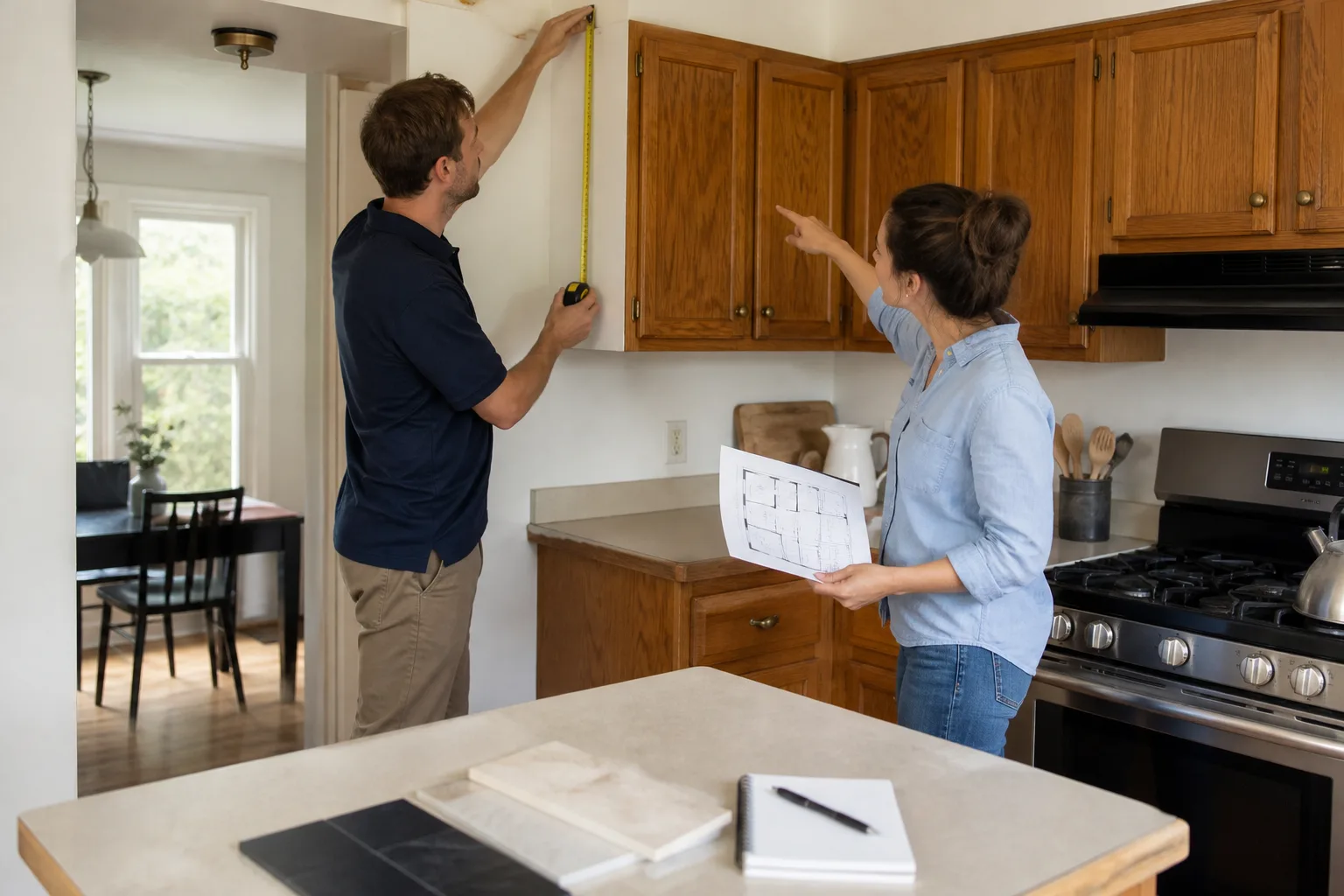
Free written scope consultation - allowances, timeline, and change-order rules on paper before a single trade is scheduled
Tamko Home Additions & ADU: The Woodland Hills Owner’s Guide
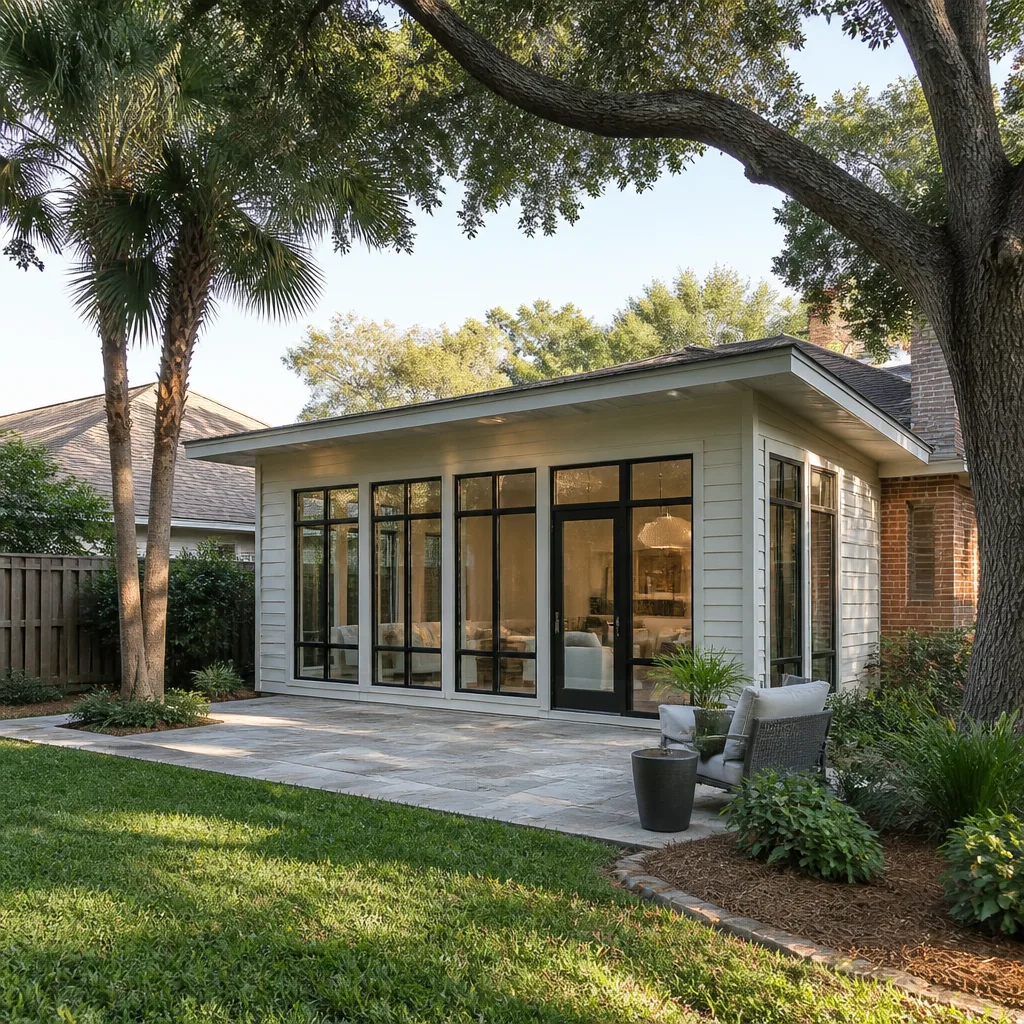
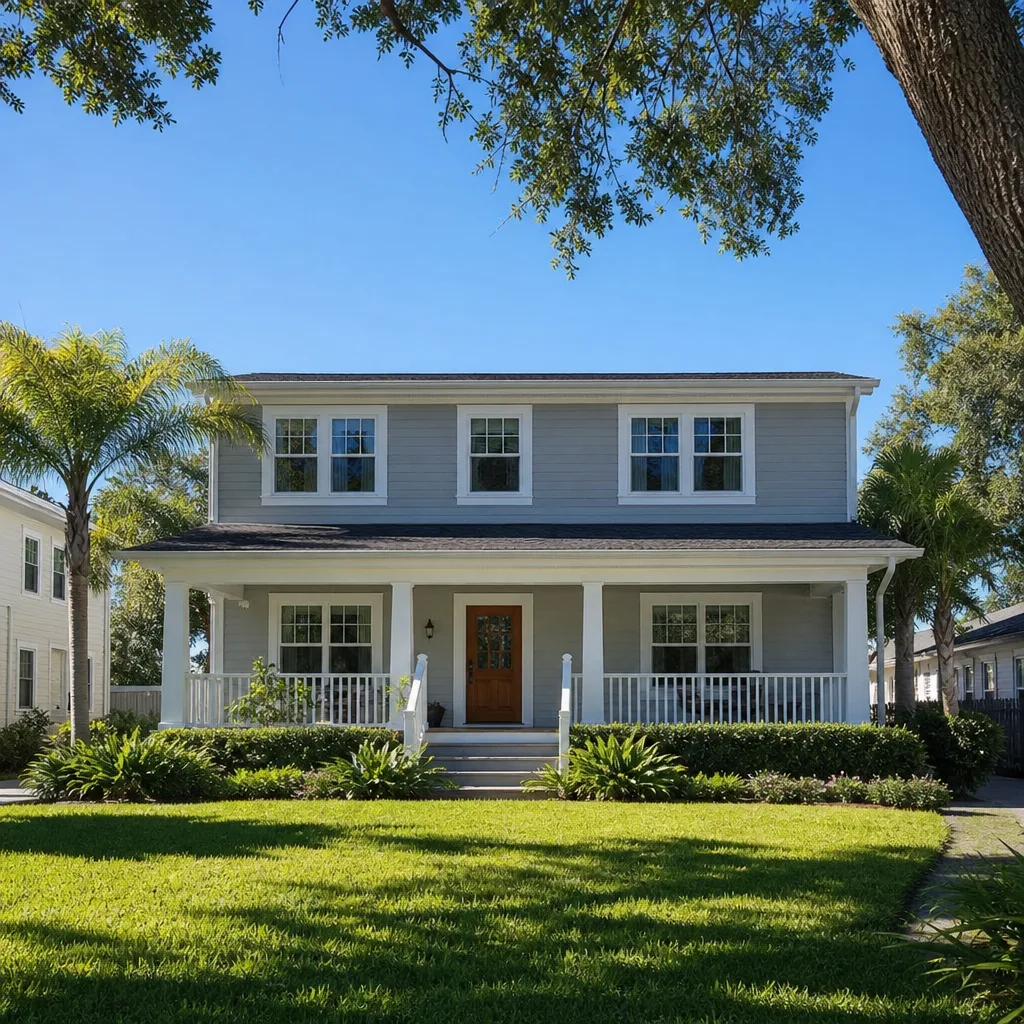
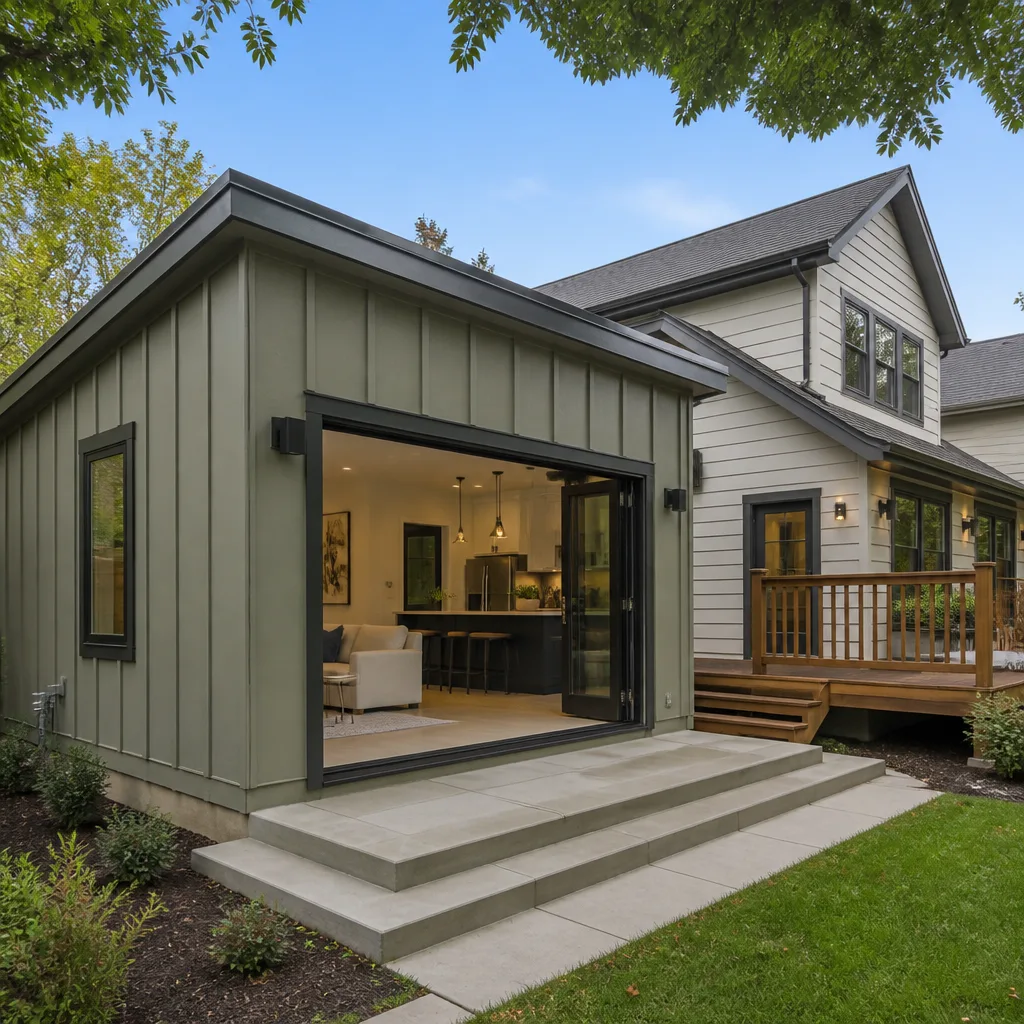
If your Tamko-finished addition or ADU is showing signs of age, we stock the parts and know the install details to bring it back in line. A full home addition in Woodland Hills runs $45,000 to $130,000, while an ADU construction lands between $90,000 and $220,000. Most owners call us after noticing something small: a mismatched roofline, drywall seams pulling apart, or a door that suddenly won’t latch. Those small signals usually mean the structural or finishing work from the original build has shifted, and catching them early keeps a $100,000 project from becoming a $200,000 headache.
Which Tamko Models This Applies To
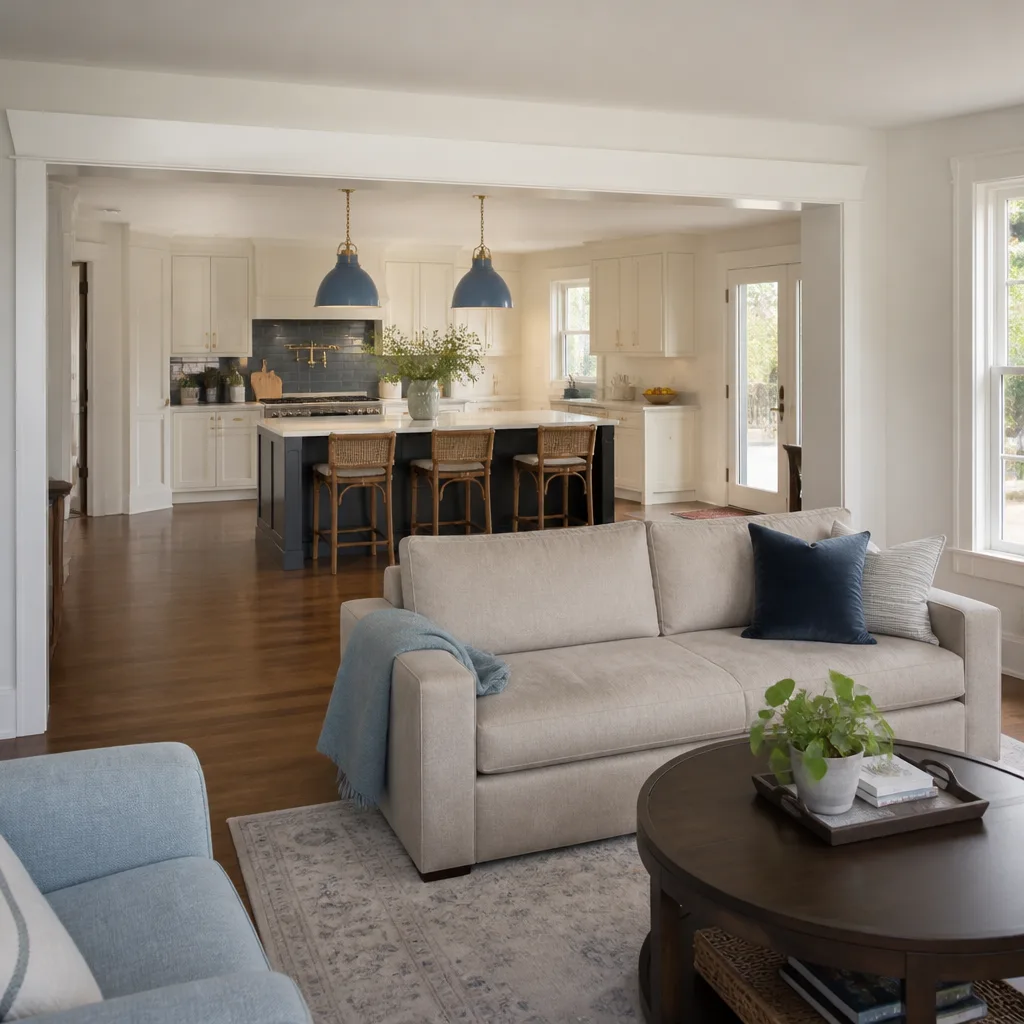
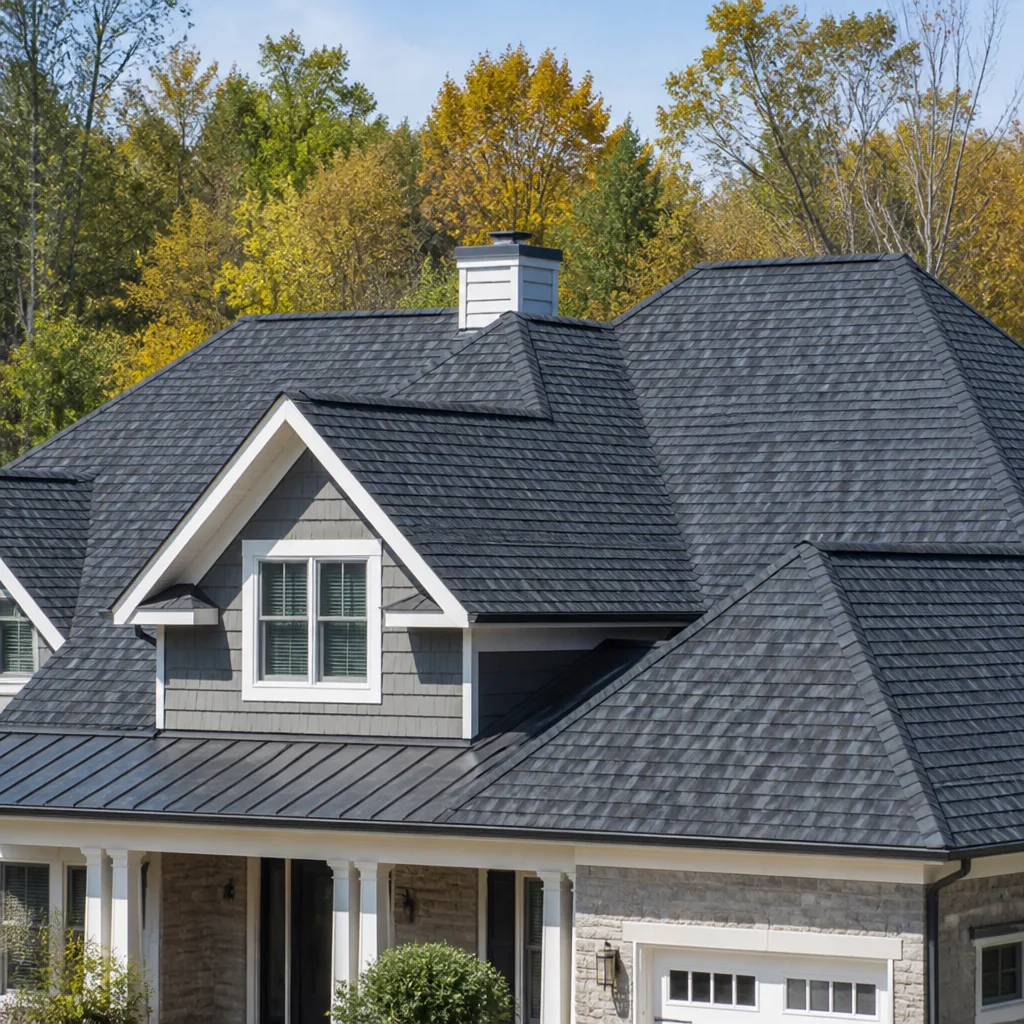
Tamko doesn’t make a single line of “home additions” the way they make shingles. What we’re really talking about here is any addition or ADU where Tamko materials were used in the build, most often their roofing and waterproofing products. That includes Tamko Heritage shingles, Tamko Titan XT underlayment, and Tamko’s self-adhered waterproof membranes used on eaves, dormers, and flat-roof sections. The compatibility question is less about a model number and more about what the original builder used and how it’s held up under Woodland Hills sun and the occasional heavy winter rain.
One specific gotcha we see regularly: older Tamko shingle runs from before 2015 used a slightly different granule blend than current production. If you’re patching a section rather than replacing the whole roof, the new shingles won’t match the old ones exactly. We tell homeowners that up front, because a roof patch that looks off every time you pull into the driveway is its own kind of regret. For additions specifically, the critical part is usually the transition where the new roofline ties into the original structure; that’s where flashing fails first and where we do most of our Tamko-related repair work.
On the parts side, we’re independent of Tamko, but we stock and install their roofing, decking, and waterproofing lines alongside other brands like KraftMaid, Cambria, and Silestone for interior finishes. We can also source quality aftermarket equivalent materials when they make sense; same life expectancy, lower price, and the manufacturer’s warranty still applies. The key is matching the material to the exact exposure and pitch of your addition’s roof, which is something a spec sheet can’t tell you but twenty years of working Woodland Hills hillsides can.
Styles & brands we work with
Signs Your Tamko Home Additions & ADU Is Failing
- Staining on the ceiling where the addition meets the main house. That transition line carries more water than any other part of the roofline, and when the flashing or Tamko membrane under it fails, the stain shows up fast. We’ve fixed dozens of these in Warner Center homes where the original builder used house wrap instead of a proper self-adhered membrane.
- Doors that stick in summer and swing free in winter. It’s not the door; it’s the framing. Additions settle differently than the original structure, and a door that changes behavior with the seasons tells you the connection between the two has started to move. Catching this early usually means adjusting the threshold. Ignoring it for a few years means re-framing the opening.
- Cracked tape lines at the ceiling-to-wall junction. Drywall cracks in a straight, predictable line aren’t a finish problem; they’re a structural communication. The addition is telling you it’s pulling away from the main house. In hillside neighborhoods above Topanga Canyon Boulevard, we see this a lot because the soil expands and contracts more than flat-lot homes in the valley floor.
- Visible granule loss in the gutters. Tamko shingles shed some granules early in their life; that’s normal. But if you’re still seeing grit in the gutter five years after the original build and the shingles look patchy from the street, the asphalt is drying out faster than it should in the California UV load. That’s a material replacement conversation, not a repair.
- Water pooling on a flat or low-slope section of the addu roof. Tarps and buckets are not a long-term strategy in Woodland Hills. Standing water is a sign the original slope wasn’t cut right or the Tamko membrane underlayment has delaminated. It only gets worse every rain, and the repair cost climbs with it.
See the difference
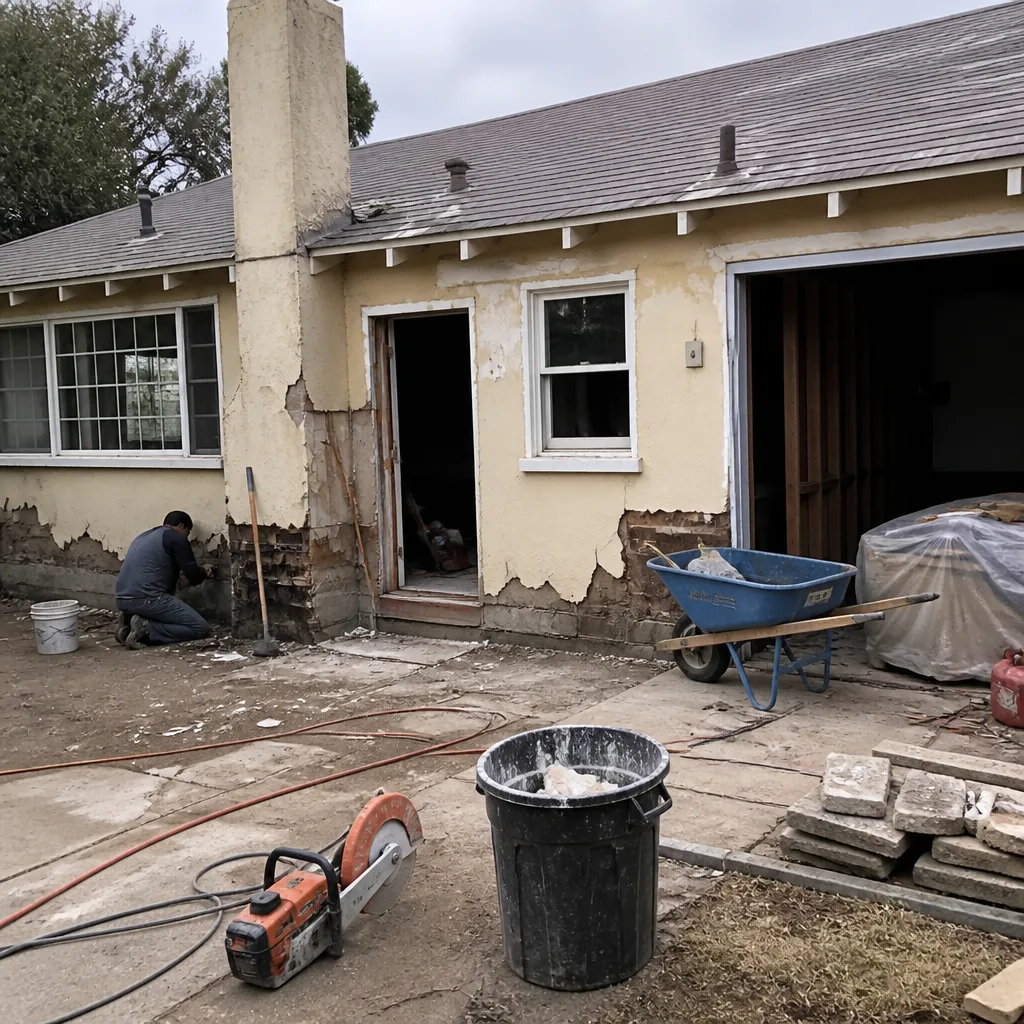 Before
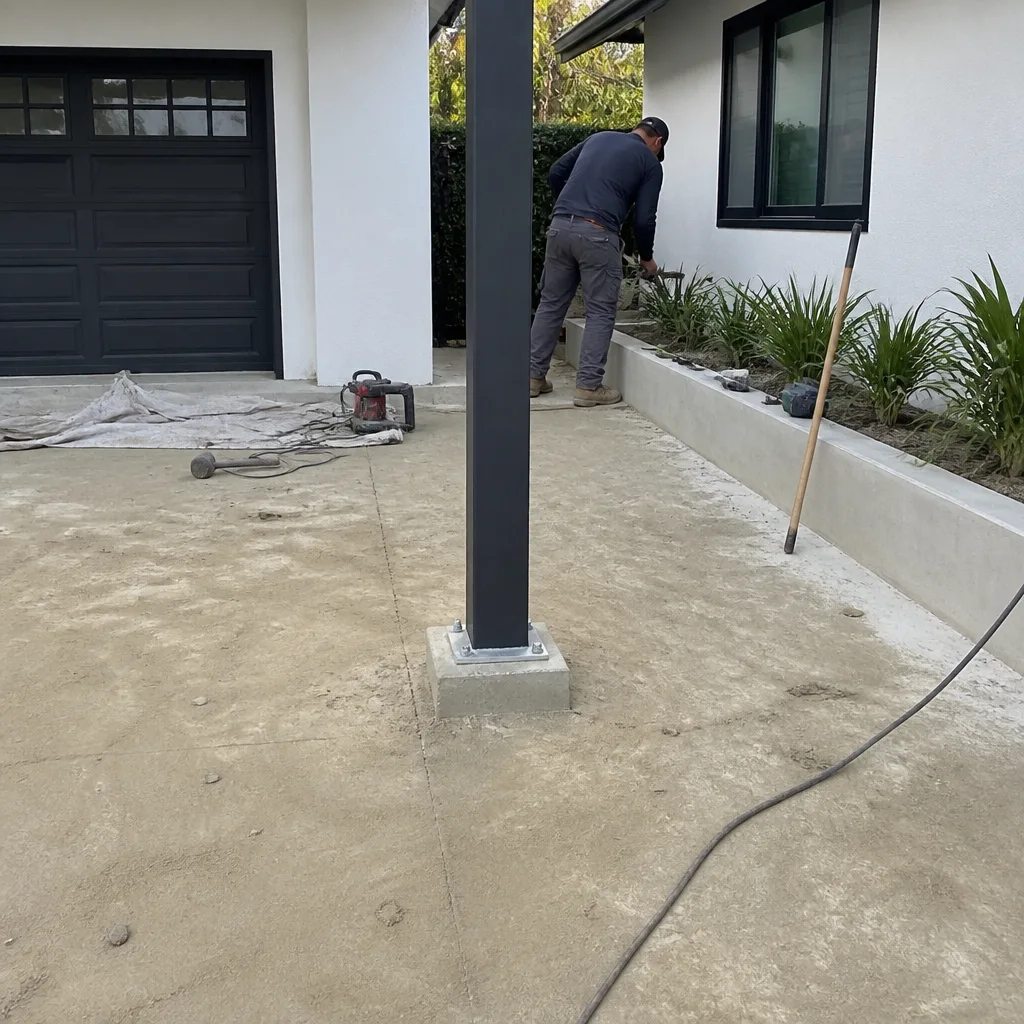 After
After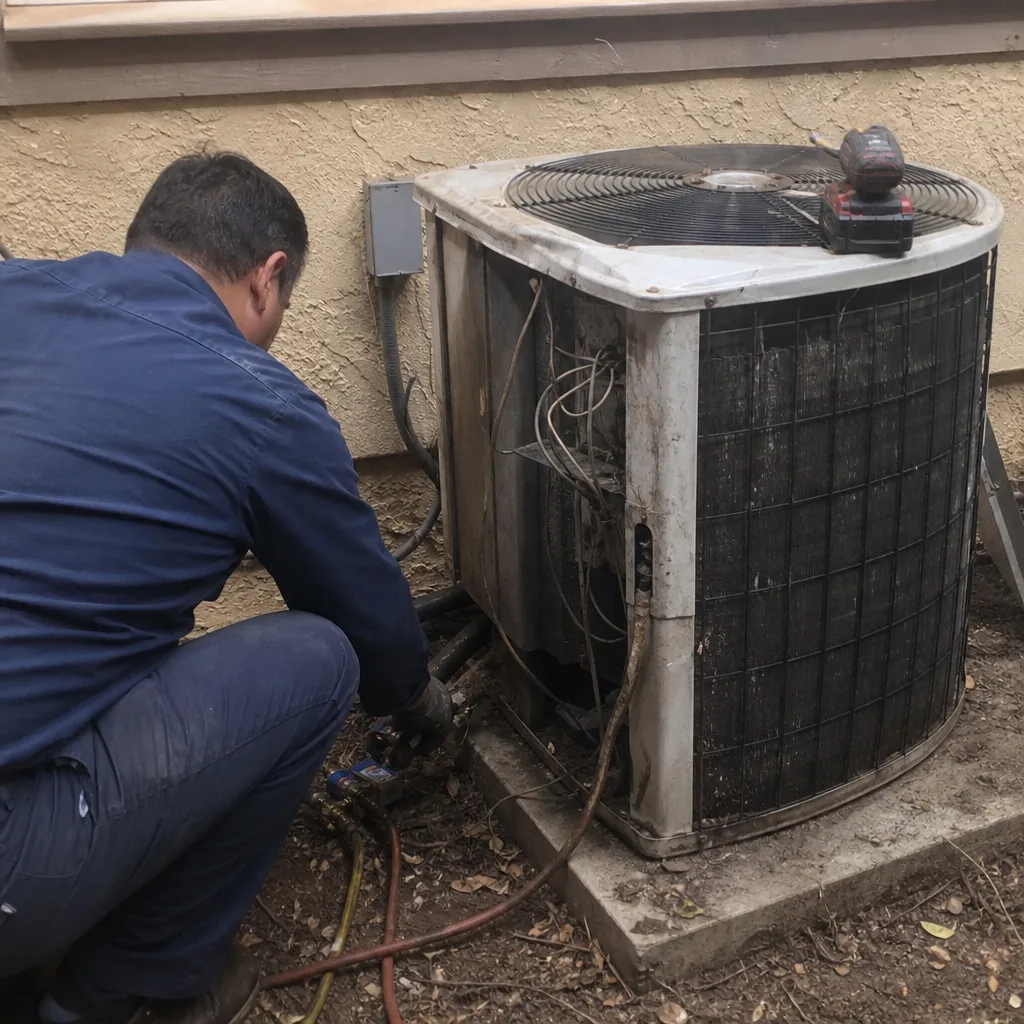 Before
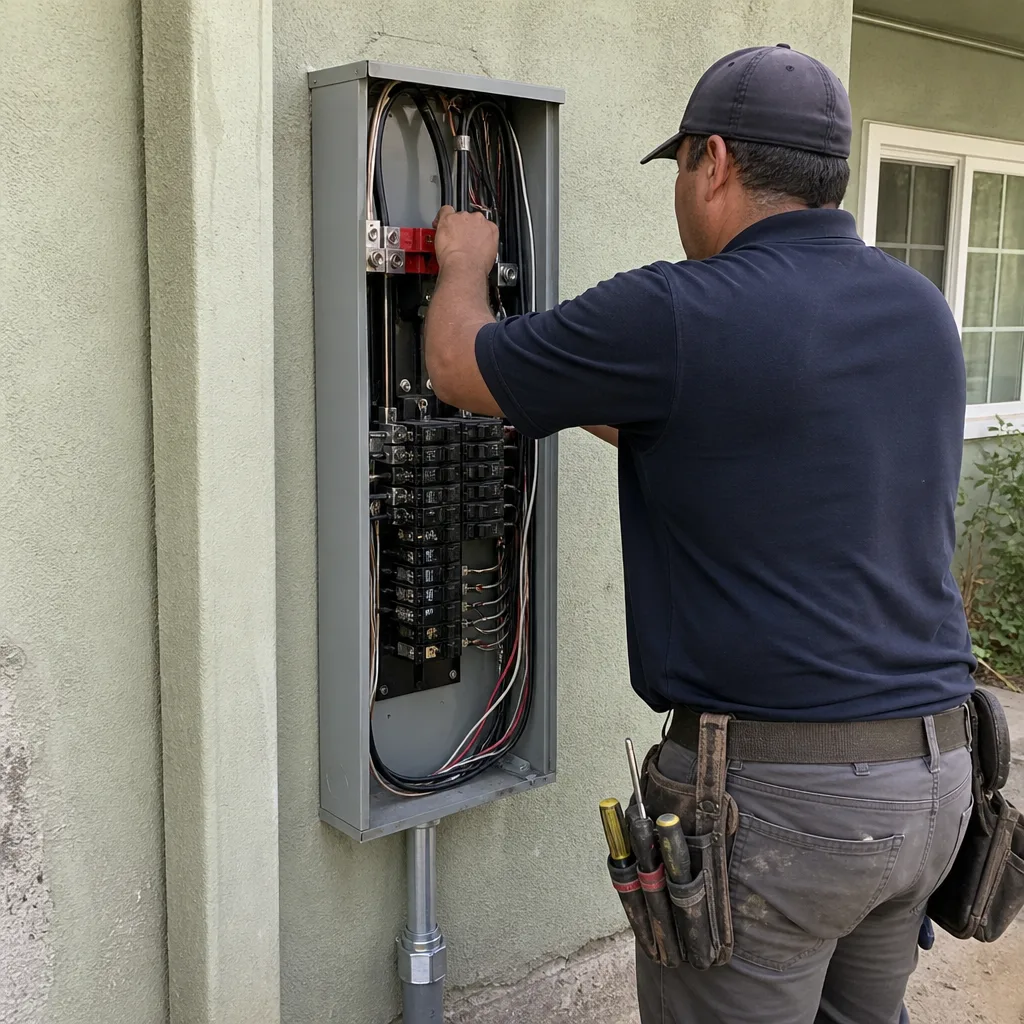 After
After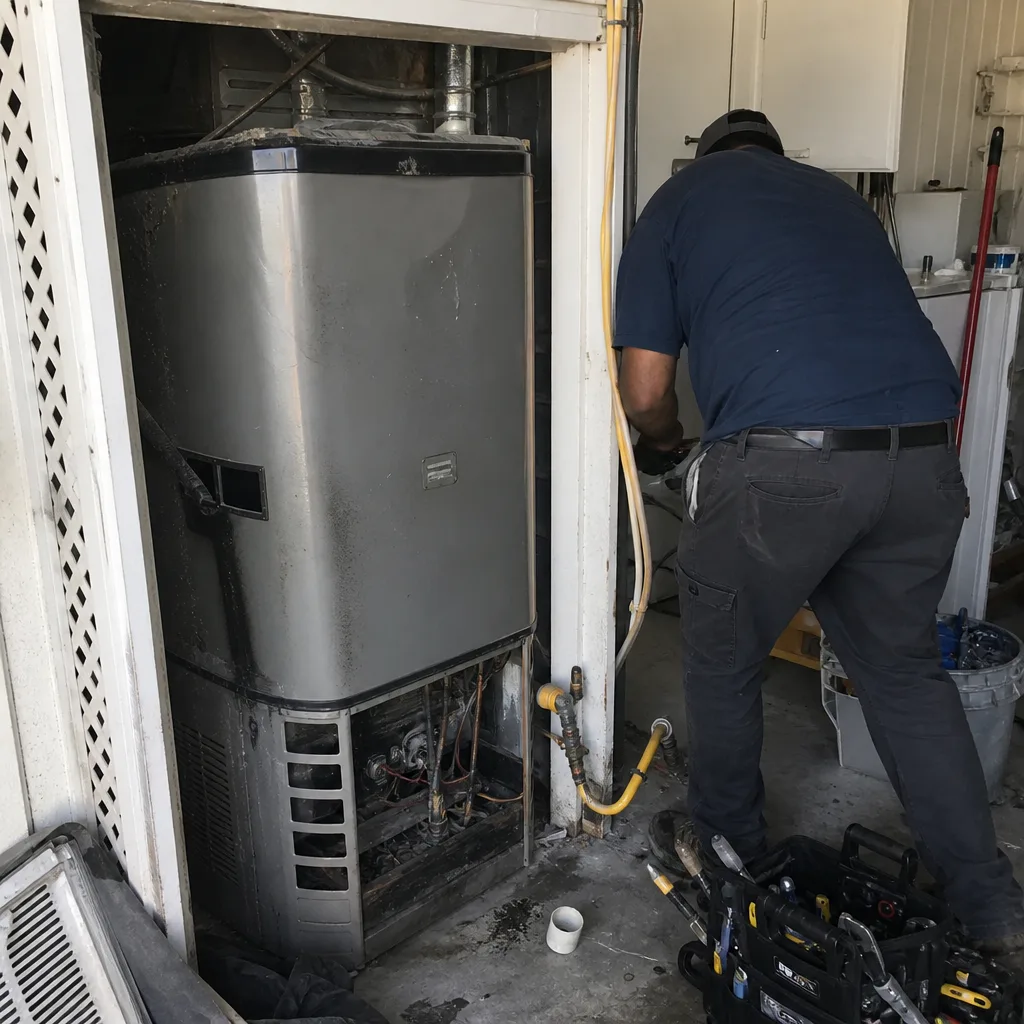 Before
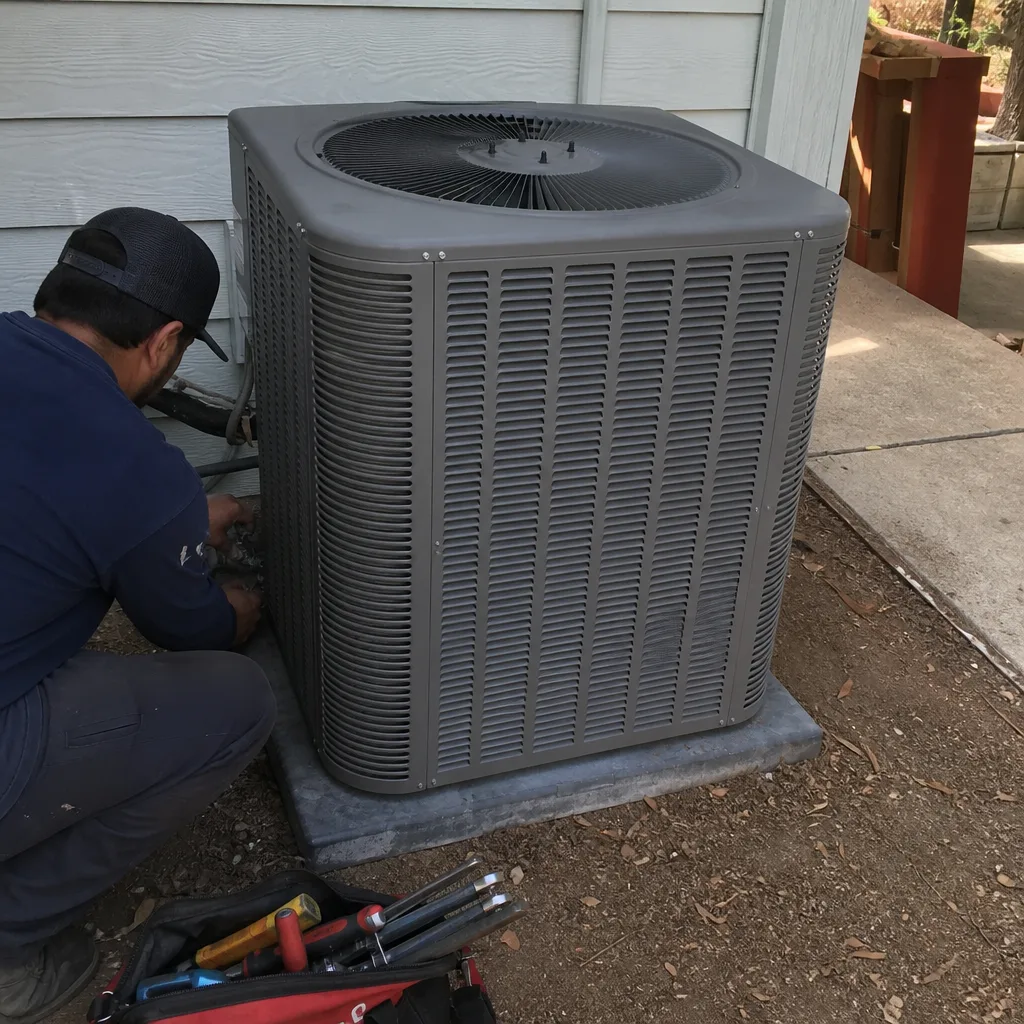 After
AfterReplacement Cost & What’s Included
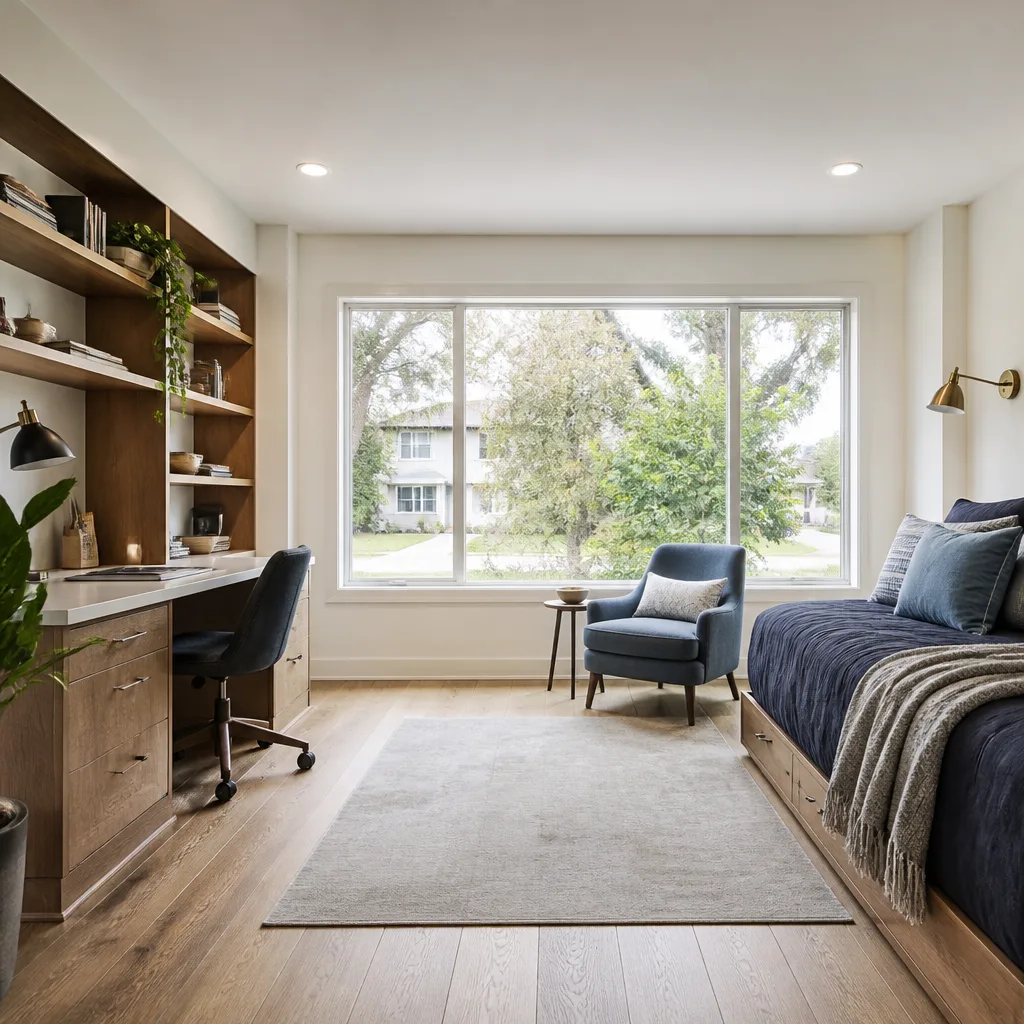
For most Tamko-related fixes on a Woodland Hills addition or ADU, you’re looking at $400 to $1,800 for targeted roof and flashing repair work, and $8,000 to $20,000 for a full roof replacement if the shingles and membrane both need to go. If the failure involves structural framing at the addition’s connection point, the price climbs quickly because we’re re-supporting part of the home, and that can run into the $5,000 to $15,000 range depending on what the original builder did or didn’t do. A full home addition runs $45,000 to $130,000, and an ADU construction runs $90,000 to $220,000.
Every quote is a written line-item price before any work starts. You’ll see parts, labor, and the removal and disposal of the old material broken out separately. The 365-Day Done Right Promise covers the work for a full year after we close the project. If something we installed fails in that window, we come back and make it right, no invoice.
DIY or Call Us?
You can safely clean gutters, inspect for visible granule loss, and look for staining around the addition’s roofline from ground level. What you shouldn’t do is climb an addition roof to inspect or replace Tamko membrane, flashing, or shingles yourself. Some of these additions have steep pitches that run right off the hillside, and a fall from that height is a life-changing event, not a learning experience. We run a team that’s been working these West Valley hillsides for years, and we still respect every roof we step on. If you suspect water is getting in, call us at (341) 217-2776 and we’ll come out and take a look before the damage spreads.
FAQs
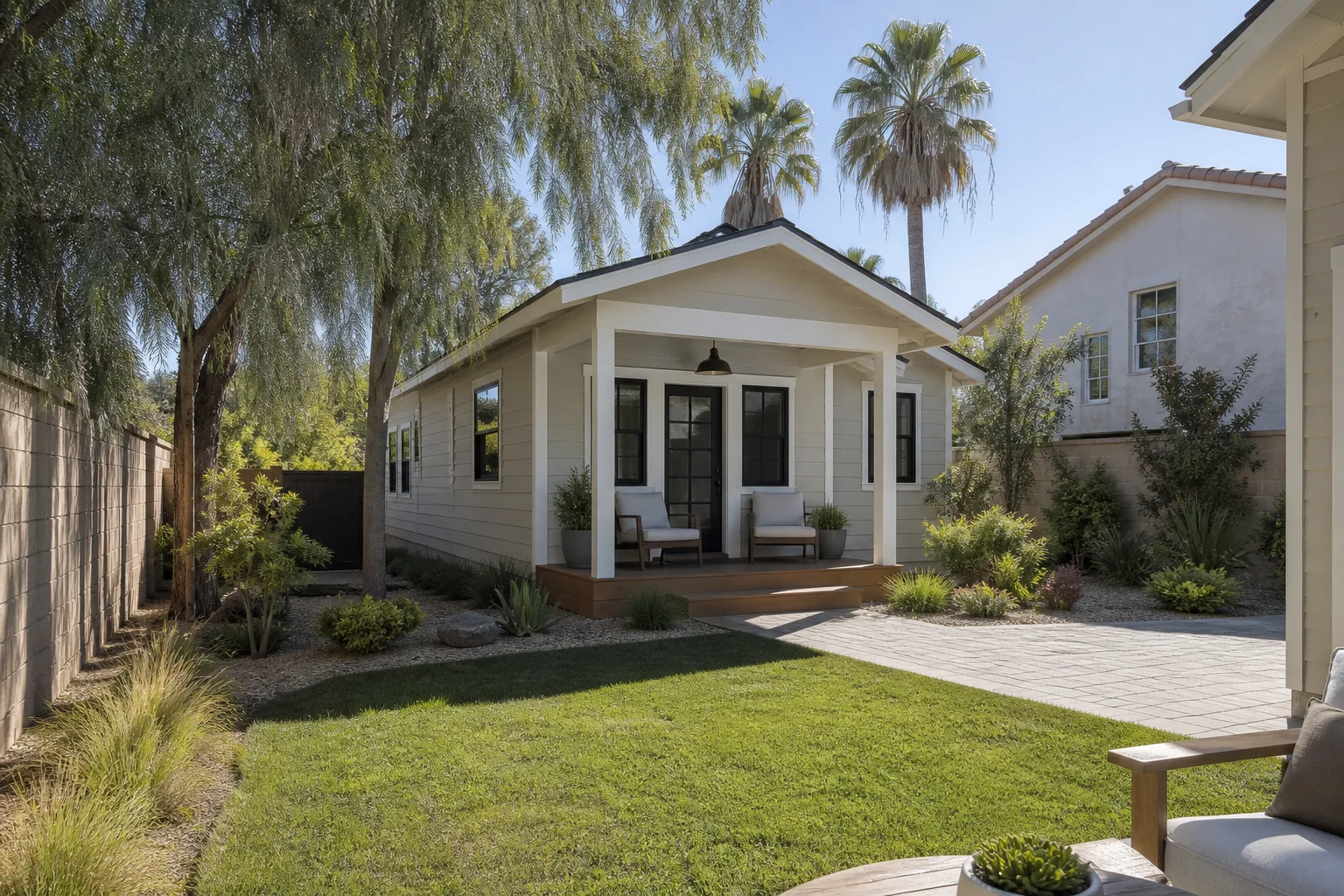
You’ll get roughly 20 to 30 years from Tamko asphalt shingles in our climate, but the underlayment and flashing at the transition lines usually need attention around year 10. The UV load and the occasional heavy rain cycle work on that junction harder than anywhere else. If you’re past year 15 and haven’t had the flashing inspected, call us at (341) 217-2776 and we’ll schedule a free estimate.
In many cases, yes. Flashing can be resealed, a section of membrane can be patched, and a valley can be re-surfaced without touching the rest of the roof. The repair window closes when water has been getting into the framing long enough to rot the wood. That’s when a $600 flashing fix becomes a $6,000 structural repair. The earlier we look, the less you spend.
Most flashing and membrane repairs on a Woodland Hills addition are done in half a day once we’re on site. A full roof replacement on an ADU takes two to three days depending on weather and roof complexity. We stage all materials the day before so we’re not burning your afternoon waiting on a supply run.
We keep common Tamko shingle runs, Titan XT underlayment, and self-adhered membrane on hand at our Woodland Hills shop, and we can source specialty profiles same week. For full additions and ADU builds, every material gets ordered to your specific project, because we never want to show up with the wrong color or profile on the day of install. Call (341) 217-2776 and we’ll confirm what we have and what needs to be pulled in.
Written by Luca Romano, Owner, Sawyer Remodel Woodland Hills at Sawyer Remodel Woodland Hills, serving Woodland Hills and nearby areas.