Last updated October 16, 2026





Free written scope consultation - allowances, timeline, and change-order rules on paper before a single trade is scheduled
Construction Permits, Codes & Inspections in CA: What You Need to Know
Unpermitted work in California doesn’t just carry a fine. It can void a homeowner’s insurance claim on a related loss, trigger a mandatory disclosure at resale, and require you to tear out finished work for a retroactive inspection. In Woodland Hills, where homes range from 1950s ranchers to early-2000s Mediterranean builds, the permit history on a property often tells you more about its true condition than the listing photos do. This guide explains exactly what triggers a permit in California, how the inspection process works, what Title 24 energy rules mean for your remodel, and how all of it lands on your property record. We’ve pulled together what we handle for clients every week at Sawyer Remodel Woodland Hills home so you know what you’re actually getting into before you start.
Styles & brands we work with

Quick Answer
In California, construction permits are required for most structural, plumbing, electrical, and mechanical work beyond basic cosmetic finish replacements. A permit buys you a documented inspection trail that protects you at resale, during insurance claims, and if something fails. Skipping one doesn’t save money; it quietly transfers liability onto you.
Table of Contents
- What Triggers a Permit in California
- Work That Does Not Require a Permit
- The LADBS Process: Pull to Final Sign-Off
- Retroactive Permits: Buying a Home with Unpermitted Work
- Title 24 Energy Compliance: When It Triggers and What It Costs
- How Permits Become Part of Your Property History
- Common Mistakes to Avoid
- When to Call a Professional
- Frequently Asked Questions
- The Bottom Line
What Triggers a Permit in California
California Building Code (CBC) Section 105 says you need a permit for any construction that alters a structure, and the simple test is this: if you’re changing the framing, the plumbing, the electrical, or the mechanical systems, you need a permit. Los Angeles County enforces this through LADBS, and the trigger list is specific.
Here’s what requires a permit in LA County:
- Any room addition, garage conversion, or structural change to walls, floors, or roof framing
- New or relocated plumbing fixtures (moving a sink, adding a bathroom, relocating a toilet)
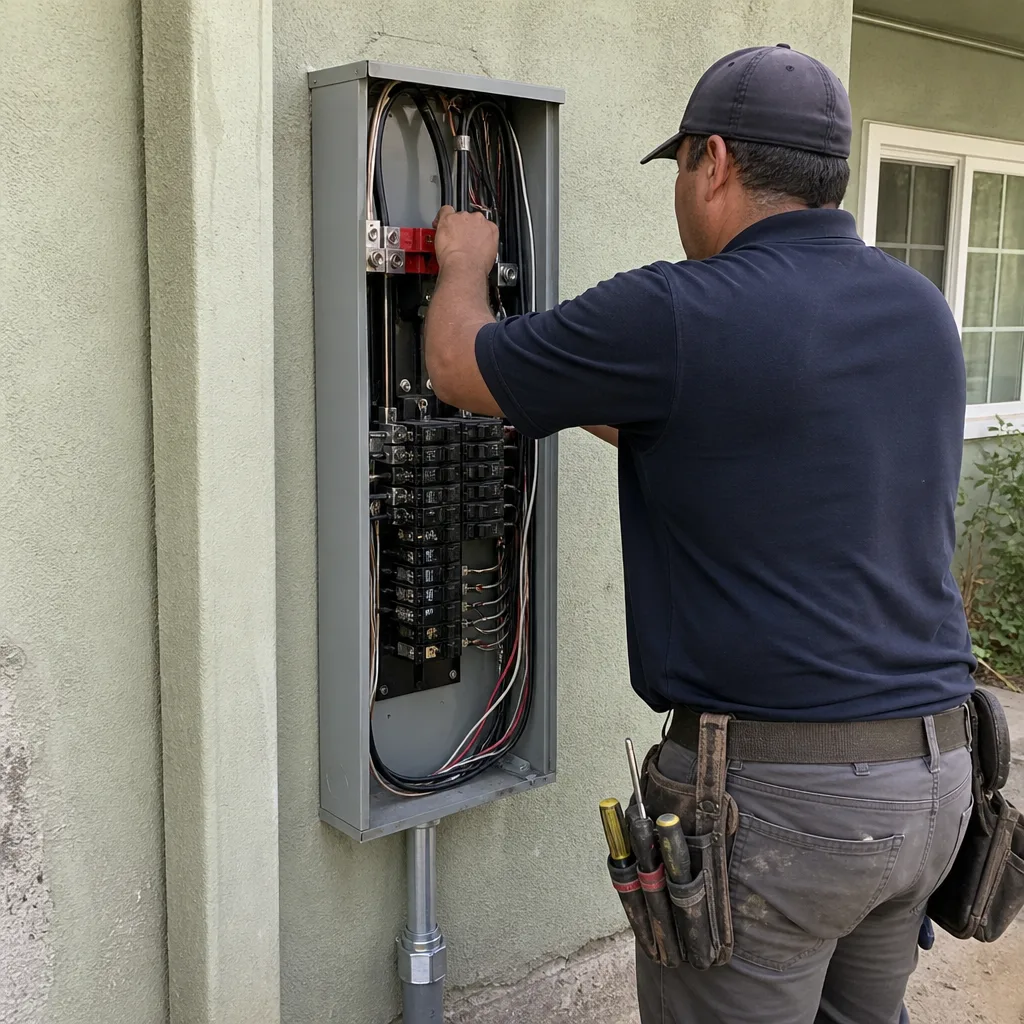
- Any new electrical circuit, panel upgrade, or wiring run (replacing a fixture on an existing box generally does not)
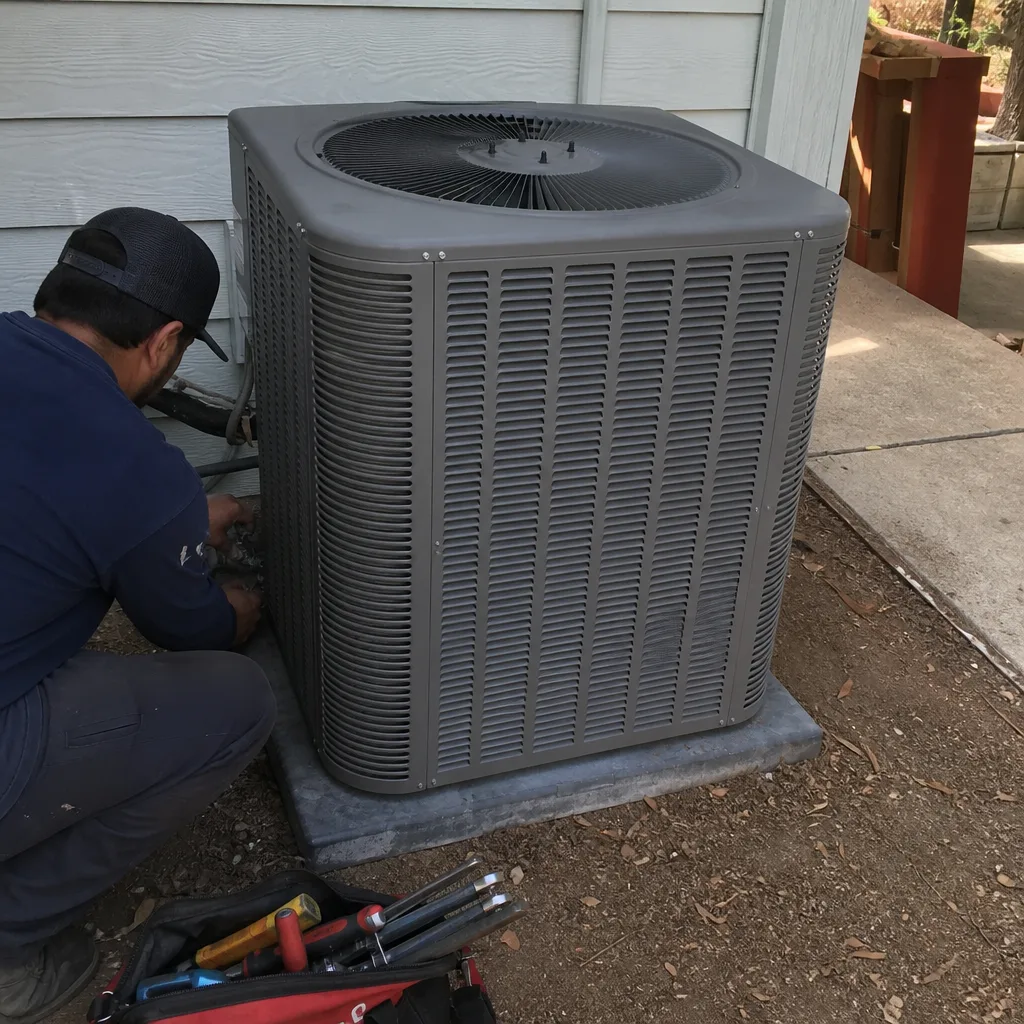
- HVAC work including new duct runs, furnace or AC replacement where gas or refrigerant lines change
- Water heater replacement when the unit changes size, location, or type (tank to tankless)
- Roof replacement that involves new sheathing or a change in roofing material weight class
- Foundation work of any kind, including seismic retrofits and retaining walls over 4 feet
- Decks over 30 inches above grade, and any deck over 200 square feet
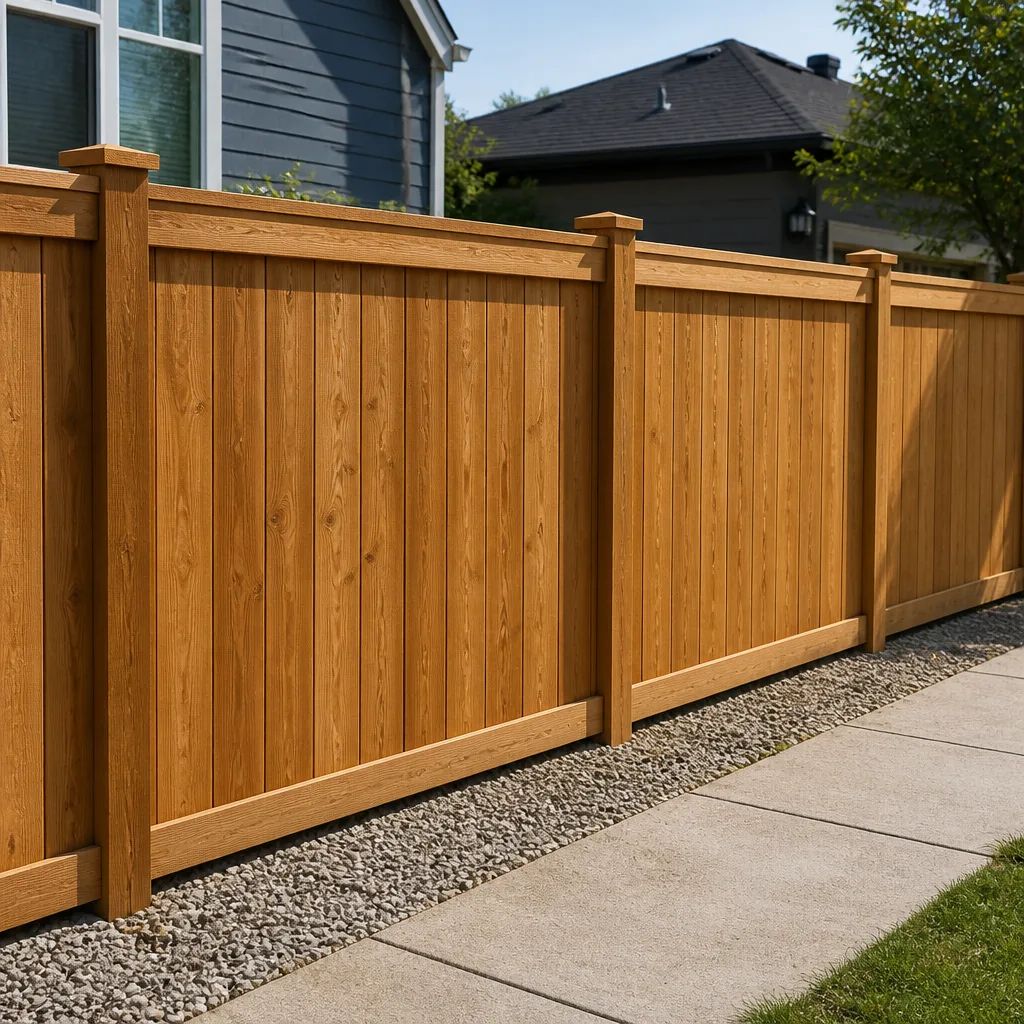
- Fences over 6 feet, and retaining walls over 4 feet (measured from bottom of footing to top of wall)
In Woodland Hills, we regularly see homeowners surprised by the water heater rule. A like-for-like swap of a 40-gallon gas unit for another 40-gallon gas unit in the same closet can often be done under a simple plumbing permit. But switch to a tankless unit, or move the heater outside, and you’re now in full permit territory with gas line sizing, venting clearance, and a mechanical inspection. We handle this daily at Sawyer Remodel Woodland Hills home renovation projects, and the honest version is that proper permits add days to your timeline, not drama. They’re just part of the job done right.
Work That Does Not Require a Permit
California is explicit about exempt cosmetic work, and LADBS publishes a list that any homeowner can review. The rule of thumb: if it’s a finish surface and you aren’t moving systems or structure, it’s generally exempt.
No permit needed:
- Painting, wallpaper, wainscoting, and trim work
- Replacing flooring, including tile, carpet, vinyl, and hardwood (as long as you aren’t altering the subfloor)
- Replacing countertops and cabinet fronts without altering plumbing or electrical
- Swapping a light fixture or outlet on an existing box without moving or adding wiring
- Replacing a sink or toilet in the exact same location without moving supply or drain lines
- Replacing doors and windows in existing openings without resizing the rough opening
- Landscaping, sod, planting, and irrigation that doesn’t connect to a new hardline supply
- Pre-fabricated sheds under 120 square feet that don’t connect to utilities
Here’s the nuance that bites homeowners in Woodland Hills: window and door replacement. If the new window fits the existing rough opening, no permit. The minute you enlarge the opening to fit a bigger slider or add a new egress window, you’re into structural permit territory. The same goes for tile showers. Retiling a shower floor and walls is exempt. Replacing the shower pan, or opening walls to change the valve body, is not. When we scope a bathroom remodeling Woodland Hills project, we map every touch point against the permit list before the first demo day, so the price in writing is the price you approved.
The LADBS Process: Pull to Final Sign-Off
The Los Angeles Department of Building and Safety (LADBS) is the enforcing agency for Woodland Hills and the rest of LA City. Their process is online-first through the ePlanLA portal, but it still runs through the same sequence: submit, review, issue, inspect, sign off.
Here’s the standard flow for a typical remodel in Woodland Hills:
- Plan preparation. For anything beyond a simple water heater or panel swap, you need drawings. For a bathroom remodel that moves plumbing or walls, that means floor plans, plumbing riser diagrams, electrical layouts, and Title 24 energy calculations. Our in-house team at Sawyer Remodel prepares these as part of the project scope, so you’re not chasing an outside draftsperson.
- Plan check submission. Plans go into ePlanLA with the permit application. LADBS plan check fees are typically 65% of the building permit fee, and the review queue runs anywhere from 1 to 4 weeks depending on project complexity and current backlog. A simple water heater permit can clear in days; an addition with structural calcs can take a month.
- Plan check corrections. The plan checker issues corrections, you respond, and the cycle repeats until the plans are approved. Most residential remodels see one or two rounds of corrections. This is normal, not a problem.
- Permit issuance. Once plans are approved, you pay the permit fees and the permit goes live. The permit is posted at the job site, and work can begin.
- Inspections. LADBS inspects work in stages: rough framing, rough plumbing, rough electrical, insulation, lath and plaster, and final. The inspector comes to the site, checks against code, and signs off each stage before you cover it up. You can’t insulate over un-inspected rough plumbing, and you can’t drywall over un-inspected wiring.
- Final sign-off. After the final inspection passes, LADBS issues a Certificate of Occupancy (for new construction) or a final sign-off on the permit record. The permit closes, and the work is officially recorded.
In Woodland Hills specifically, the Canoga Park LADBS office handles most of our inspections, and the inspectors we see tend to be thorough on structural and plumbing. Typical timelines from permit pull to final for a mid-sized bathroom remodel run 6 to 10 weeks including plan check, which is why we tell clients to plan for it. The inspection itself is not the enemy. The surprise is when you forget to call for the inspection and proceed past a stage, because then you’re cutting open drywall to show the inspector what they missed. That’s a cost and a delay nobody wants.
Retroactive Permits: Buying a Home with Unpermitted Work
When you buy a home with an unpermitted addition or remodel, you inherit the liability. Escrow closes, the keys change hands, and the unpermitted square footage is now your problem. The good news is that retroactive permitting exists, and the process is more common than most homeowners think.
Here’s what the retroactive permit process looks like in LA County:
- Disclosure inventory. Before you buy, the seller’s Transfer Disclosure Statement should list known unpermitted work. If they don’t disclose it and you discover it later, you may have legal recourse, but that’s a fight you’d rather avoid entirely. Your home inspection and title search should flag additions that don’t match the recorded square footage.
- Plan preparation for as-built conditions. A licensed architect or design professional draws plans of what actually exists, not what was originally built. This is the odd part: you’re permitting work that’s already done, so the plans document the current condition.
- Code compliance evaluation. The LADBS plan checker compares the as-built drawings against current code. Work grandfathered under old code gets evaluated by the standards in effect at the time it was built, but safety items (smoke detectors, electrical grounding, seismic anchors) often must be brought current.
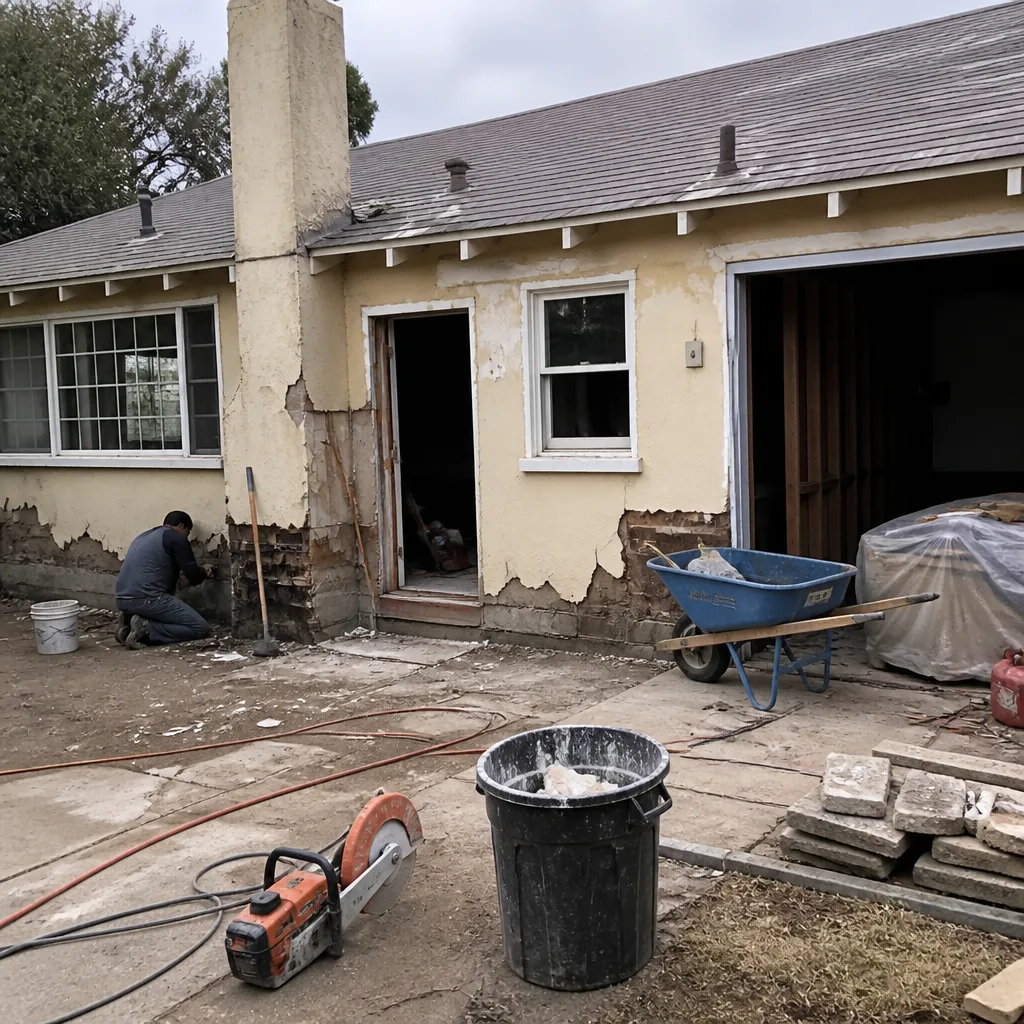
- Opening walls for inspection. This is the painful one. If plumbing or wiring was buried without inspection, LADBS will require selective demolition to expose it for the inspector. We’ve opened walls in Woodland Hills homes to show inspectors old galvanized supply lines that had to come out, because they were no longer legal.
- Corrections and re-inspection. Any substandard work gets corrected, inspected, and signed off. Then the permit closes, and the square footage is added to the official record.
The cost varies wildly, but a retroactive permit for a converted garage in Woodland Hills typically runs $3,500 to $9,000 in fees and corrections, not counting the value of any work you have to undo. The home’s official square footage increases, which can raise the appraised value, but the upfront cost is real. If you’re considering buying a home with unpermitted space, the smartest move is to get a contractor’s estimate for the retroactive permit before you make the offer, and bake that into your negotiation. See our General Contractor Maintenance Checklist for Woodland Hills Homeowners for related guidance.
Title 24 Energy Compliance: When It Triggers and What It Costs
California’s Title 24 energy standards are a building code, not a suggestion. Any time your project triggers a permit that affects the building envelope, the lighting, HVAC, or water heating, Title 24 applies. In plain language: if you’re changing windows, adding skylights, moving walls that change the insulated envelope, or altering more than 10% of the home’s lighting, a Title 24 compliance check is part of the plan review.
What Title 24 actually requires, in practical terms:
- Insulation minimums. New walls, ceilings, and floors must meet current R-value standards, which for Woodland Hills’ climate zone (Zone 9) means R-38 attic insulation and R-13 to R-19 walls depending on the assembly. If you open a wall on a remodel, the new portion gets insulated to current code.
- Window performance. Replacement windows must meet U-factor and Solar Heat Gain Coefficient (SHGC) maximums. For Zone 9, that’s a U-factor of 0.30 or lower and an SHGC of 0.23 or lower. High-performance vinyl or fiberglass windows from manufacturers like Milgard or Andersen meet these, but check the NFRC label before you buy.
- Lighting efficiency. Any newly added or altered lighting in a permitted remodel must be high-efficacy, which in practice means LED. If you’re adding a new circuit for recessed lights, they have to be LED, period.
- Heating and cooling. New or replaced HVAC equipment must meet minimum SEER ratings, and ductwork in unconditioned spaces needs sealed seams and insulation levels specified in the energy code.
- Whole-house fan or ventilation. Title 24 requires whole-house mechanical ventilation in new construction and significant remodels where the building envelope is altered. That usually means a bathroom exhaust fan on a timer or a small whole-house ventilation unit, which adds $400 to $1,200 to a typical remodel.
The Title 24 calculation itself is a software-based compliance model prepared by an energy consultant or a contractor with a certified energy analyst. The report costs $250 to $500 for a typical remodel, and it’s required before the permit is issued. On our general contractor in Woodland Hills projects, we fold the Title 24 report into the upfront price, because there’s no scenario where you skip it and stay legal. The energy code is not optional, and fighting it costs more than complying.
How Permits Become Part of Your Property History
Every permit you pull in California is a public record, and that record attaches to the property address, not just to you as the owner. LADBS keeps permit records searchable by address, and those records are pulled by title companies, insurance underwriters, and appraisers every time a property changes hands or gets refinanced.
Here’s how your permit history gets used:
- Title searches. A title report may flag open permits, which means a permit was pulled but never received final inspection sign-off. An open permit can delay a closing, and in some cases a lender will refuse to fund until it’s closed out.
- Insurance underwriting. Home insurers in California have gotten stricter in the last five years, and they routinely check building permit records when underwriting a new policy. A history of unpermitted electrical or an unpermitted roof replacement can trigger a coverage exclusion or a policy denial, and in a wildfire-adjacent area like Woodland Hills, that’s not a hypothetical.
- Appraisals. An appraiser compares your home’s square footage against county records. Unpermitted square footage typically gets excluded from the value calculation, so a converted garage you paid $80,000 to finish may add zero to the appraisal if it was never permitted.
- Resale disclosure. When you sell, California Civil Code requires you to disclose known unpermitted work to the buyer. Fail to disclose, and the buyer can come back after close for damages. The statute of limitations on non-disclosure is three years, so the risk follows you well past the closing table.
- Code enforcement. LADBS can issue a notice of violation for unpermitted work based on a neighbor complaint, a fire inspection, or a building department audit. The violation becomes a lien against the property until it’s resolved.
In Woodland Hills, we see this play out most often with garage conversions. A homeowner finishes a garage into a family room in 2015 without a permit, lists the home in 2025, and the listing agent quietly drops the square footage from the marketing because it doesn’t match county records. The owners spent $50,000 on a room that added nothing to the sale price and now has to be disclosed as unpermitted. That’s the transfer of risk we’re talking about. It’s not a fine. It’s equity that never materializes.
Common Mistakes to Avoid
- Assuming a handyman can pull the permit. In California, only a licensed contractor or the property owner can pull a permit. A handyman who isn’t licensed can’t legally pull one, and paying them cash under the table means the work exists outside the permit system entirely. If something fails, you have no inspection record and no recourse against an unlicensed worker’s insurance.
- Skipping the permit on a water heater swap. This is the most common violation we see in Woodland Hills, because it feels like an appliance replacement. It’s actually a gas piping and venting change, and the LADBS mechanical inspector will check both. A failed inspection means the heater gets shut off, which is a red tag, which means no hot water.
- Burying work before inspection. If you drywall over un-inspected plumbing or wiring, the inspector will make you open it back up. The drywall patch, texture, and paint will never match perfectly, and you’ll pay for the same wall twice. Call the inspection. Wait for the sign-off. Then cover it.
- Misreading the square footage thresholds for decks and retaining walls. A 24-inch-high deck doesn’t need a permit. A 31-inch deck does. A 3-foot retaining wall is exempt. A 4-foot-1-inch wall needs engineering and a permit. The thresholds are absolute, not approximate, and getting it wrong by two inches still counts as getting it wrong.
- Assuming Title 24 doesn’t apply to small remodels. Even a single-room remodel that alters more than 10% of the lighting or changes a window triggers Title 24. We’ve seen homeowners argue with plan checkers about this and lose, and the plan check fee is non-refundable.
- Buying a home without checking the permit record. An $80,000 unpermitted addition doesn’t show up in the listing price. Pull the LADBS permit history before you write the offer, not after the inspection contingency expires.
- Hiring a contractor who wants to skip permits “to save you money.” The contractor saves time. You save nothing. You absorb the liability, pay the fine, and live with the uninsurable square footage. No legitimate contractor in Woodland Hills works without permits on permit-required work. The ones who suggest it are telling you who they are. Listen.
When to Call a Professional
Any project that triggers a California building permit deserves a licensed general contractor who pulls the permit, schedules the inspections, and stands behind the work. That’s not a luxury; it’s the difference between a job with a documented inspection trail and a job that exists only in the walls. If you’re planning a remodel in Woodland Hills that moves plumbing, changes walls, adds square footage, or touches the electrical panel, the permit process is part of the job description, and so is the contractor’s license and insurance. Sawyer Remodel Woodland Hills offers free estimates in Woodland Hills, and every project starts with a written price before any work begins. Explore more guides & resources on our blog to prepare for your project. Call (341) 217-2776 to schedule your free estimate, and we’ll map the permit scope, the inspection schedule, and the cost in plain numbers before you sign anything. No surprises, no open permits, no unpermitted work. That’s how it should go.
Frequently Asked Questions
In LA County, a typical residential remodel permit costs between $400 and $2,500 in building department fees, depending on the project valuation, with plan check fees typically 65% of the permit fee on top of that. A simple water heater permit can run under $100, while a full room addition with structural and Title 24 review can push $4,000 to $6,000 in permit fees alone. Call (341) 217-2776 for an exact quote on your project; estimates are free, and the permit fees are included in our written price.
Yes. California allows an owner-builder to pull a permit on their own primary residence, but you assume responsibility for code compliance, worker safety, and any substandard work. If you hire workers on an owner-builder permit, you become the de facto employer and are responsible for their comp insurance and injuries. It’s legal, and it can be a trap. Call (341) 217-2776 if you want to compare the owner-builder route against a licensed contractor’s written price.
You must disclose the unpermitted work on the Transfer Disclosure Statement, and failing to disclose opens a three-year window for the buyer to sue for damages after close. Your unpermitted square footage generally won’t count toward your appraised value, and the buyer’s lender may refuse to finance until the permit record is cleaned up. Call (341) 217-2776 if you need a retroactive permit estimate before listing your home in Woodland Hills.
For a typical bathroom or kitchen remodel, plan check runs 1 to 4 weeks, inspections are scheduled within a few days of request, and total permit-to-final time is usually 6 to 10 weeks including plan check. Simple mechanical or plumbing permits can be issued same week, while a full addition with structural calcs can take 2 to 3 months. Call (341) 217-2776 to get a realistic timeline for your specific project before you start.
Yes, if you’re replacing the roof sheathing or changing the roofing material to a different weight class. A straight re-roof of like material over existing sheathing may be exempt, but most full replacements in Woodland Hills include at least some sheathing repair. The LADBS roof inspection is quick, but skipping it can void a future insurance claim on storm or wildfire damage. Call (341) 217-2776 for a free estimate that includes the permit.
Not at Sawyer Remodel Woodland Hills. Our written price includes the permit fees, plan check, Title 24 report, and inspection scheduling, and our 365-Day Done Right Promise is in writing before we start. If code requires a change during plan check, we tell you before work starts, not after. Call (341) 217-2776 for a free estimate with no change orders and no surprises at the invoice.
The Bottom Line
California’s permit system is not red tape. It’s a chain of liability that protects the homeowner, and every link in that chain is a public record: the permit, the plan check, the inspection, the final sign-off. When you skip the permit, you break the chain, and you bear the risk. When you pull it, the work is documented, the square footage is real, the insurance claim is enforceable, and the resale disclosure is clean. In Woodland Hills, where homes are remodeled, added onto, and converted every year, the difference between a permitted job and an unpermitted one is the difference between an asset and a liability. For warning signs to watch for during active projects, see Construction Warning Signs: A Woodland Hills Homeowner’s Reference Guide. Do the permit. Do the inspection. Keep the record. The price of doing it right is always less than the price of doing it over.
Written by Luca Romano, Owner at Sawyer Remodel Woodland Hills, serving Woodland Hills since 2005.
See the difference
 Before
 After
After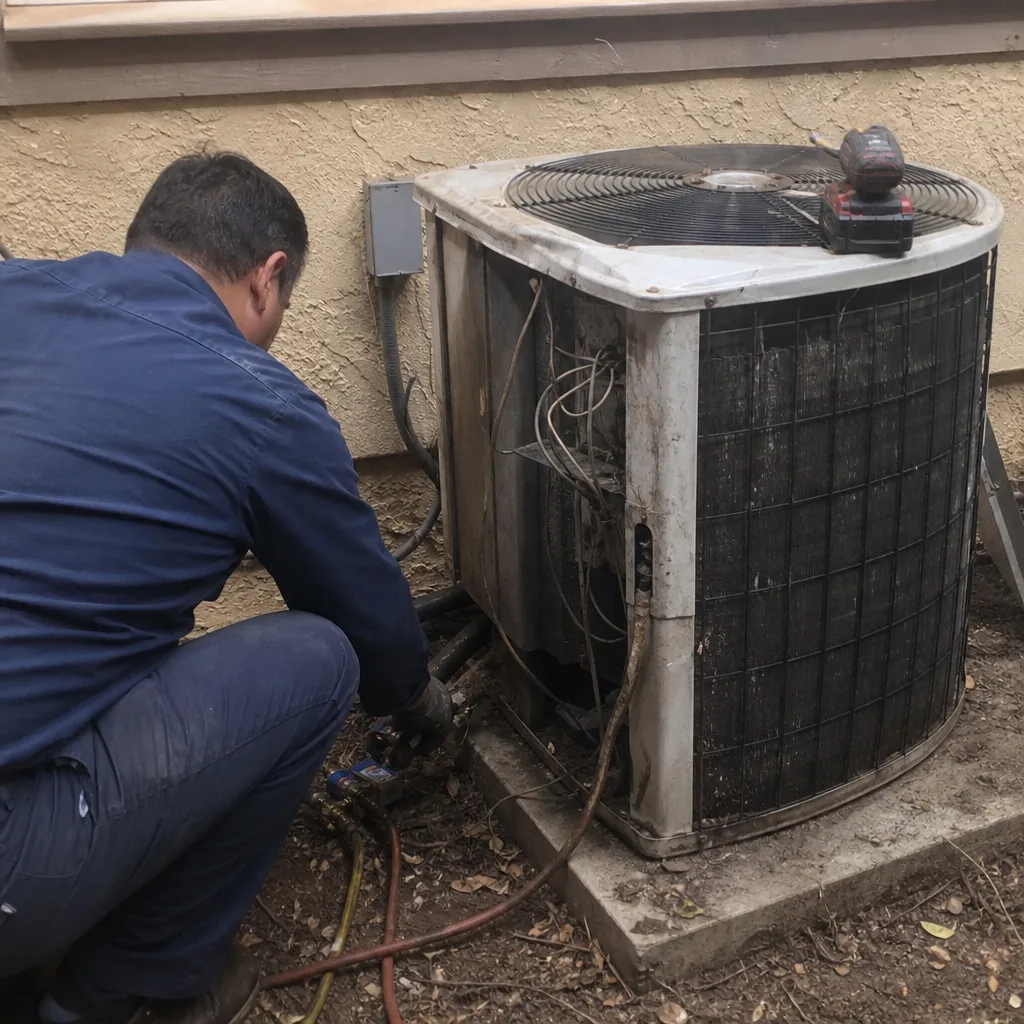 Before
 After
After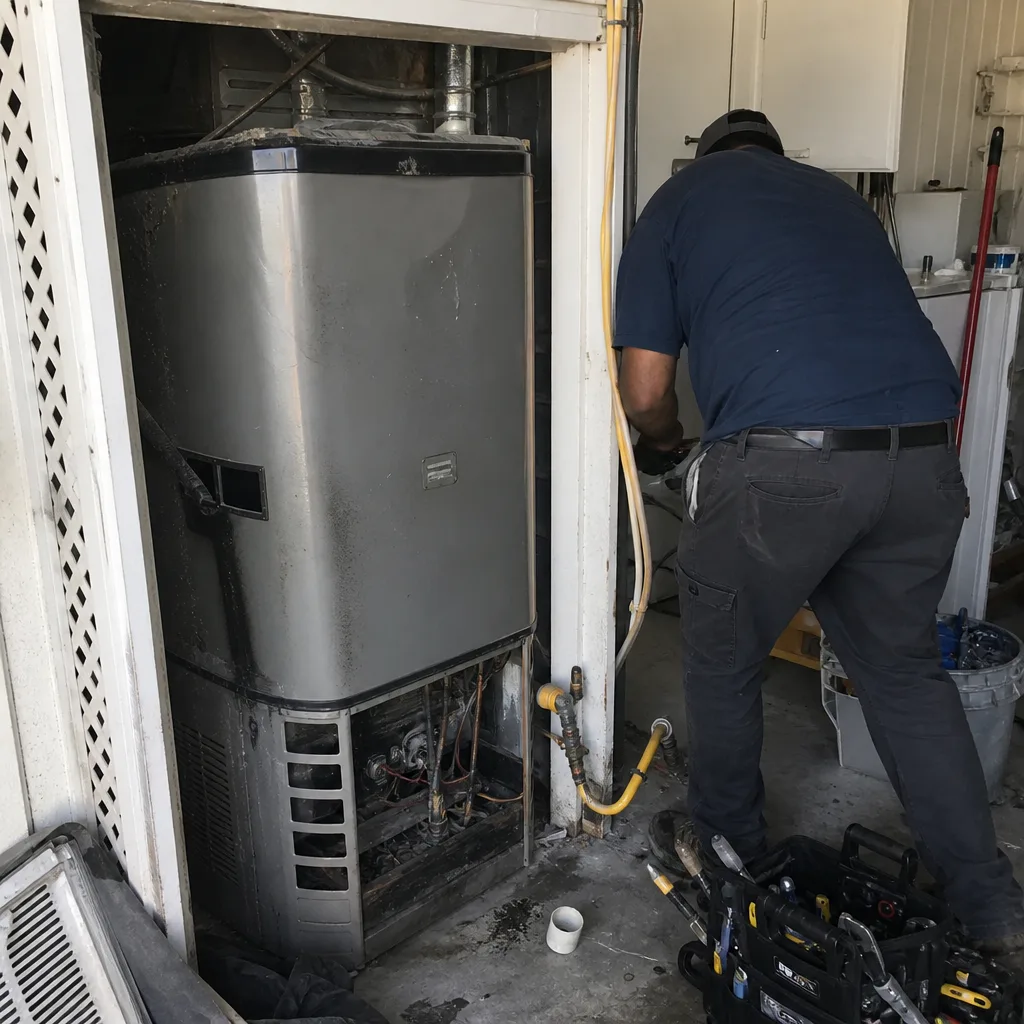 Before
 After
After