Last updated October 16, 2026





Free written scope consultation - allowances, timeline, and change-order rules on paper before a single trade is scheduled
Seasonal Construction Care for Woodland Hills: Year-Round Homeowner’s Guide
Here’s the thing most national home-maintenance guides get wrong about Woodland Hills: they treat the calendar like the rest of the country treats it, with a gentle spring thaw and a crisp fall. We don’t have that. What we have is a fire-prep season, a heat-damage season, a rain window that lasts about six weeks, and a Santa Ana season that can undo a year of careful work in a single afternoon. The worst home damage in Woodland Hills rarely comes from one storm. It comes from deferred maintenance meeting the wrong October wind. This guide walks through what actually needs attention, and when, so your home holds up through every season this valley throws at it. For The Complete Guide to Construction in Woodland Hills and more guides & resources, see our blog.
Styles & brands we work with




Quick Answer
Seasonal construction care in Woodland Hills breaks into four distinct windows: May through June for pre-summer heat-proofing, July through September for heat-damage monitoring, October through November for Santa Ana wind preparation, and December through February for storm-drainage readiness. The single most important move you can make is scheduling inspections and repairs before each season’s demand spike hits, because contractor availability in Woodland Hills tightens fast once the weather turns. A written inspection checklist, completed on time each season, prevents most five-figure repair bills we see in this area.
Table of Contents
- May to June: Pre-Summer Heat-Proofing
- July to September: Surviving the Heat-Damage Season
- October to November: The Santa Ana Checklist
- December to February: The Rain Window
- How to Sequence Seasonal Work So You’re Not Waiting on a Contractor
- Material Choices That Hold Up in Woodland Hills
- Common Mistakes to Avoid
- When to Call a Professional
- Frequently Asked Questions
- The Bottom Line
Key Takeaways
- Woodland Hills has four seasons, but they’re fire, heat, wind, and rain – and each demands a different checklist.
- May and June are the cheapest months to book roofing and exterior work, before summer heat exposes failures and fall winds turn them into emergencies.
- Santa Ana season is when most deferred maintenance finally reveals itself, and it usually does so at 3 a.m.
- The rain window here is short but intense. Poor drainage during a single January storm can cause more damage than a full year of weather elsewhere.
- Contractor demand in Woodland Hills spikes sharply in late summer and early fall. You’ll save money and get better availability by booking in spring and late fall.
May to June: Pre-Summer Heat-Proofing
May and June are the most important months for proactive homeowners in Woodland Hills, and the least popular. The weather’s pleasant, nothing’s failing yet, and it’s easy to postpone. But this is precisely when you should be inspecting the surfaces that summer heat will stress-cycle for the next four months. The temperature swings we get here starting in July – often 40 degrees between the coolest overnight low and the hottest afternoon high – are what actually destroy roofing, caulk, and exterior paint. It’s the expansion and contraction that does it, not any single hot day.
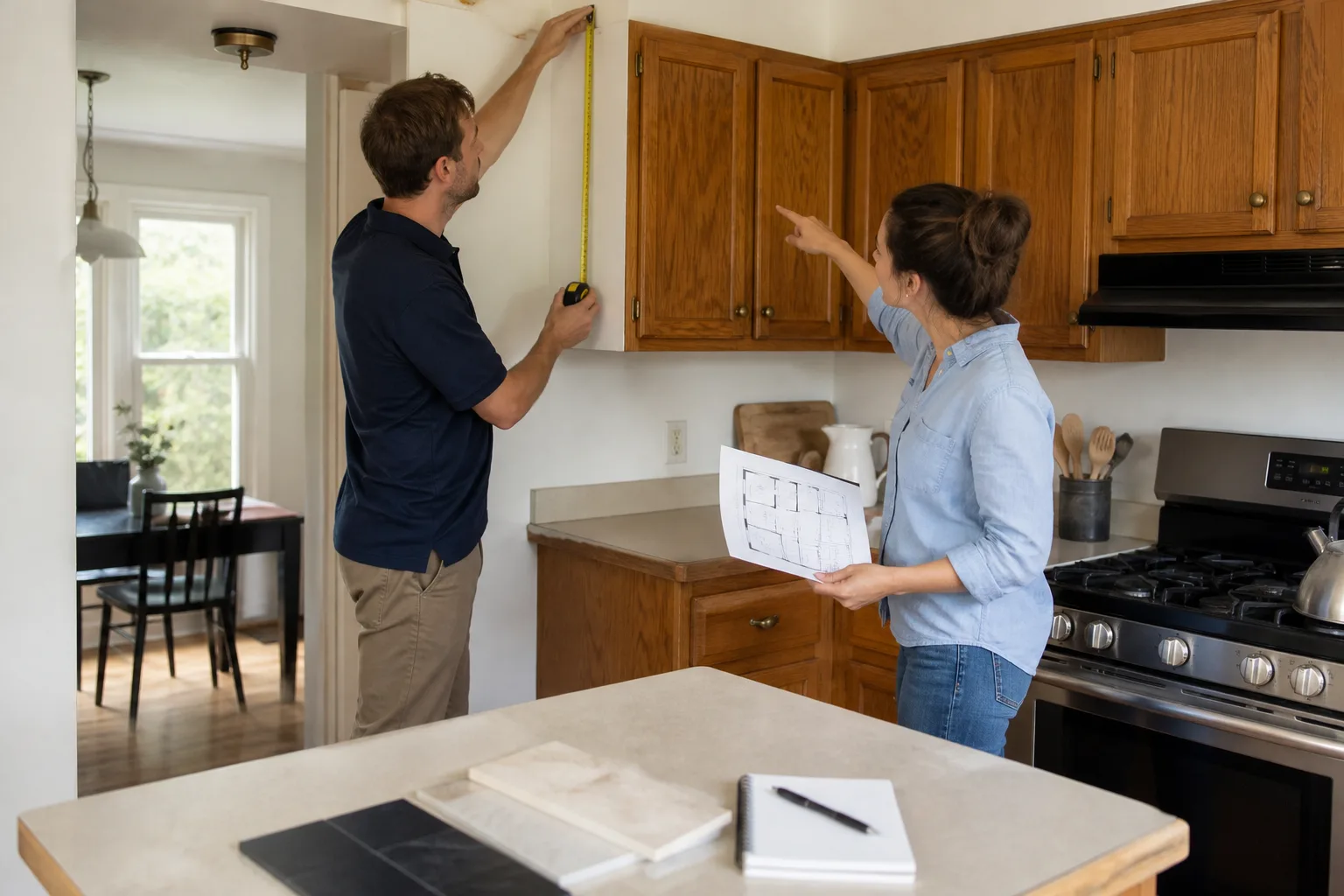
Here’s the pre-summer checklist we walk clients through. We’ll cover each item in more detail below.
- Inspect all roof penetrations: vents, pipes, skylights, and any spot where one material meets another.
- Check caulk and sealant around every window and exterior door.
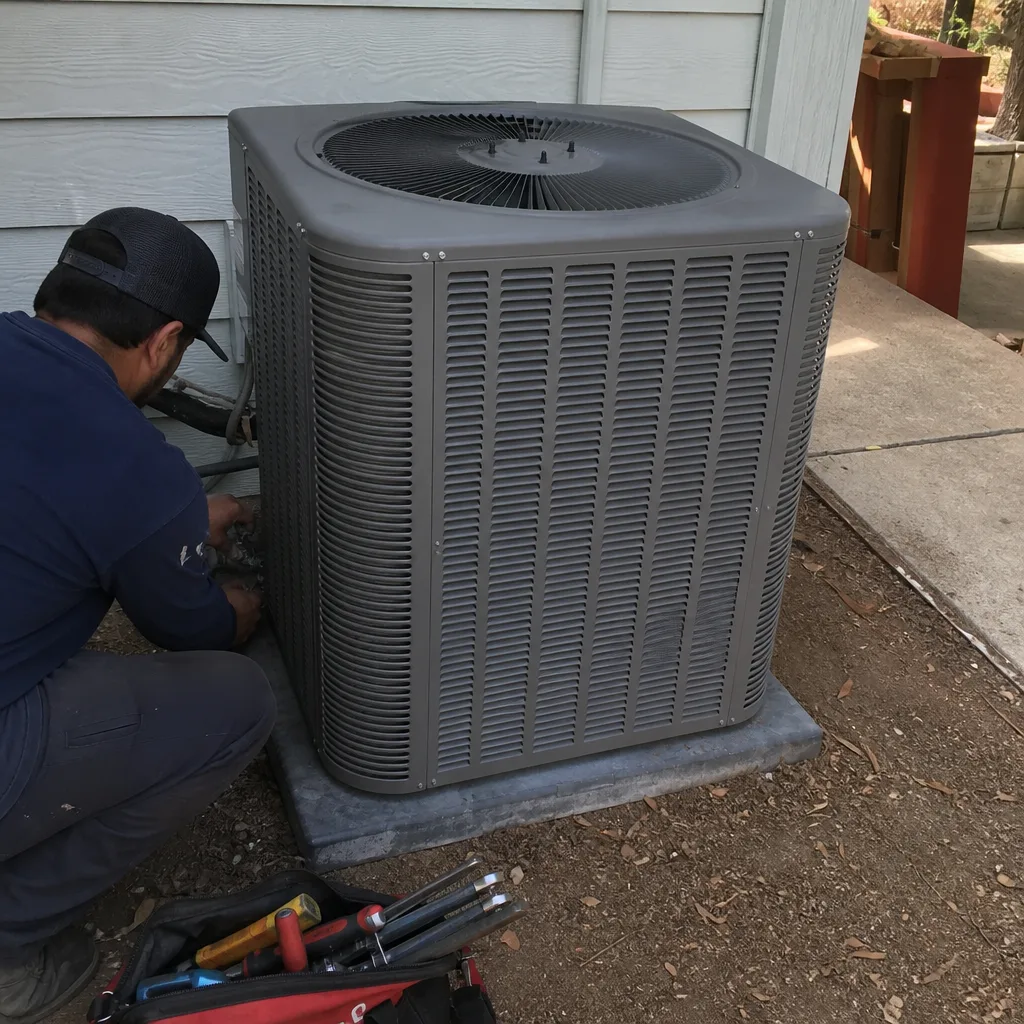
- Service the HVAC system, replace filters, and clear condenser fins.
- Walk the exterior and look for hairline stucco cracks.
- Test every exterior faucet and irrigation zone for leaks.
- Look at the grading around the foundation, even before the rain season arrives.
Roof Inspections Before the Heat Hits
A large share of the homes in Woodland Hills, particularly south of Ventura Boulevard in the older pockets near Topanga Canyon, have flat or low-slope roofs. These are not the same animal as the pitched shingle roofs you see in newer developments. Flat roofs are built with overlapping layers of material sealed at the seams, and when those seams fail, water doesn’t run off. It pools. And pooling water sitting on a roof for days after a January storm is what leads to the ceiling stains we get calls about every spring. The pre-summer window is the time to check those seams. Heat softens the sealant; a June inspection on a 75-degree morning catches failures that would be invisible after a month of 95-degree afternoons. On low-slope roofs, walk or have someone walk the perimeter and check every flashing point: where the roof meets parapet walls, where vents penetrate, and where the roof deck connects to the main structure. If the flashing has lifted even a quarter inch, the wind will find it in October.
For pitched shingle roofs, the summer concern is different. Extreme heat doesn’t cause shingles to fail immediately; it causes nails to back out and shingles to loosen. At Sawyer Remodel Woodland Hills, we recommend a simple visual inspection from the ground in early June: look for shingles that appear slightly raised, uneven, or discolored. Don’t wait until you see a leak. By the time water is coming through the ceiling, the water has been traveling through the roof assembly for weeks. Most roof leaks become visible far from where the water is actually entering.
Caulk, Paint, and Stucco: The First Things to Fail
Caulk and sealant are the unsung workhorses of any Woodland Hills home. They fill the gaps between materials that expand and contract at different rates: window frames against stucco, door thresholds against concrete, siding joints, and expansion gaps. When caulk fails, water finds the gap, and moisture trapped behind stucco is how you get the bubbling paint and the musty smells that show up in August. The best time to re-caulk is May or early June, before the expansion cycles accelerate. If you’re doing it yourself, use a high-grade polyurethane or silicone caulk rated for outdoor use and UV exposure; standard indoor latex caulk will crack within a season. If you’re not sure what’s already on the house, a professional can test a sample and match it, but for most Woodland Hills homes, a good siliconized acrylic exterior caulk handles the temperature range we see.
Stucco is everywhere in this valley, and it’s a uniquely unforgiving material in a hot climate. Small cracks, hairline fractures against window corners and door frames, are normal and mostly cosmetic in spring. But those same cracks become expansion joints in summer. Once a crack opens wide enough to let moisture behind the stucco, you get the spider-webbing and eventual spalling that turns a small patch job into a full resurfacing. The May-June window is when stucco repair is cheap: a day of prep, a day of patching, and a coat of paint. The same job in September is a different conversation entirely, because the heat itself makes new stucco and paint cure too quickly, which leads to more cracking. Contractors in Woodland Hills know this; that’s why so many of them schedule exterior work in spring and fall, not summer.
July to September: Surviving the Heat-Damage Season
Once the heat hits, the to-do list shifts from repair to monitoring. You’re not fixing much in July, but you should be watching. Woodland Hills sits in a heat pocket where afternoon temps routinely clear 100 degrees, and those sustained high temperatures cause specific, predictable failures. The three we see most often: attic temperature effects on wood framing, deck and fence surface degradation, and paint failure on any surface that catches full afternoon sun.
Attic Heat and What It Does to Framing
Attic temperatures in Woodland Hills can reach 140 to 160 degrees in late afternoon. At those temperatures, the wooden framing members in your roof and walls are drying out faster than they ever would in a milder climate. Dry wood doesn’t fail immediately, but it does move. Rafters shrink slightly, trusses shift, and the nails holding everything together start to loosen. This is normal and mostly invisible, but it’s why you’ll hear the occasional creak or pop from the ceiling on a hot evening: it’s the house settling into its summer shape. If your home was built before the 1990s, the attic insulation may be inadequate by current standards, which means the heat load on the framing is higher than it should be. Adding insulation or improving attic ventilation is one of the most cost-effective upgrades a Woodland Hills homeowner can make, and it pays for itself in lower cooling bills within a few summers. We’ve seen homes with attic temperatures drop 20 degrees after adding a single solar-powered vent fan.
On the cosmetic side, this is the season when paint fails on any surface that faces direct afternoon sun, especially the west and south sides. Paint doesn’t just fade; it chalks, blisters, and peels. Chalking is the fine powdery residue that comes off when you wipe a hand across it. Some chalking is normal for exterior paint, but if it’s visible from the street, the paint’s binding agents are breaking down, and the next step is peeling. If you catch it in July, you can often get away with a light power wash and a spot repaint in the fall. If you wait until the peeling is widespread, you’re looking at full surface prep, which is much more expensive. It’s not unusual for us to see a Woodland Hills home that looks fine in June and visibly weathered by Labor Day. The sun here is unrelenting.
Decks, Fences, and Hardscape
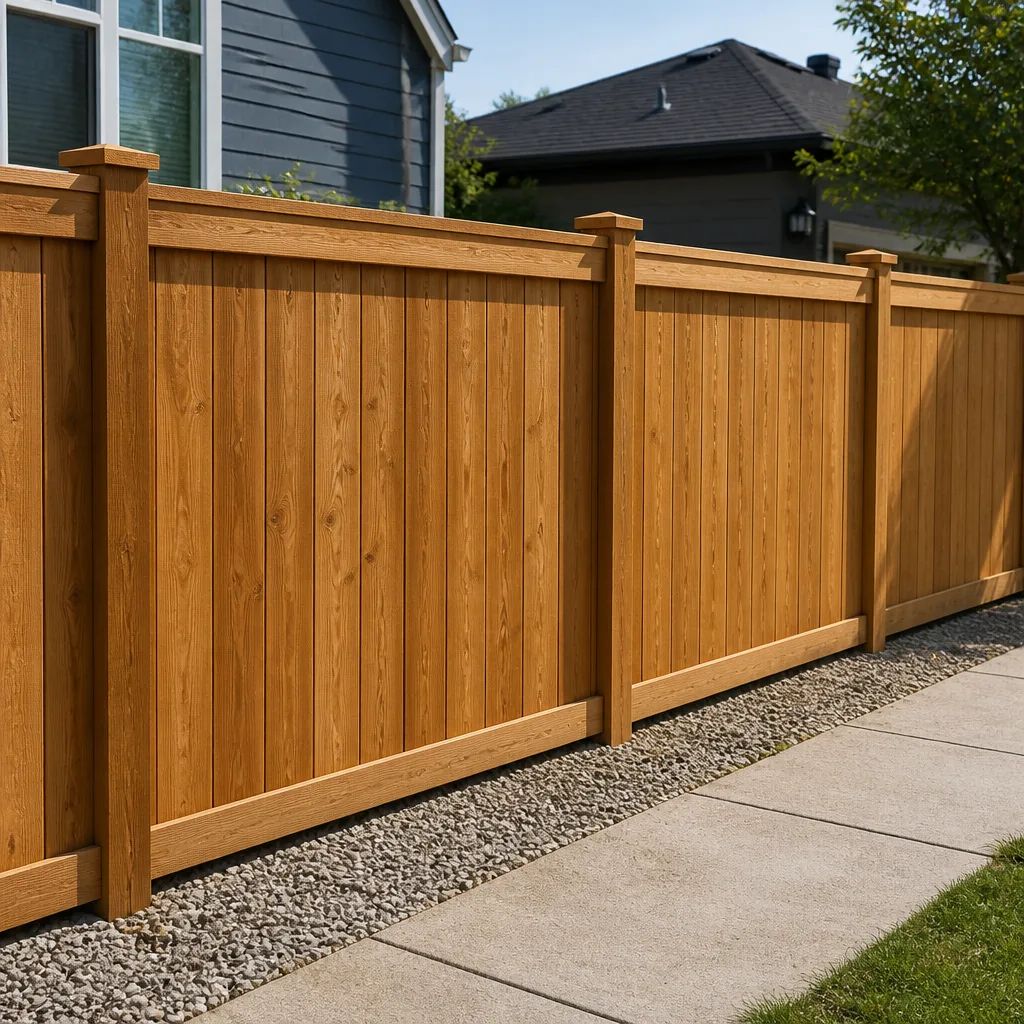
Wood decks and fences take a beating in Woodland Hills summers. The combination of intense UV exposure and the ultra-low humidity of late summer (routinely under 15 percent) sucks the moisture out of wood faster than sealants can hold it. The result is the splitting and checking you see on older decks, especially at the ends of boards where fasteners are placed. A deck that was sealed the previous fall may look completely bare by August. For most property owners, the right schedule is to seal decks and fences every other fall, and to inspect and touch up as needed in late summer. But don’t seal a deck in July; the sealant won’t cure properly in that heat, and you’ll trap moisture inside the wood, which causes rot in the winter. This is one of those timing mistakes that seems counterintuitive until you’ve seen the results.
If you have a Trex or other composite deck, your UV concern is different. Composite decking doesn’t crack or rot, but it does fade, and it expands noticeably at high temperatures. Composite decks installed too tightly in winter will buckle in the July heat. If you’re remodeling or adding a deck, make sure the installer spaces the boards for the high end of the temperature range, not the low end. That’s another reason to choose a local contractor who understands Woodland Hills temperature swings rather than someone working off a national spec sheet.
October to November: The Santa Ana Checklist
Santa Ana winds are the most predictable weather event in Southern California, and every year, they catch some homeowners off guard. The winds arrive when high pressure over the Great Basin pushes air down through the canyons and out toward the coast, and the canyons of the Santa Monica Mountains funnel those winds straight through Woodland Hills. Sustained winds of 40 to 60 mph are common, with gusts reaching 70 or even 80 mph in the passes. These winds do not damage homes the way a hurricane does. They find the weak points that already exist and exploit them.
The Santa Ana Checklist, in Order
- Roof fasteners and ridge vents. The number one wind failure in Woodland Hills is loose roof fasteners. Heat-loosened nails and aging sealant, left unchecked since June, now become projectiles. Walk the perimeter of your roof (from the ground if you can, on a ladder if you’re comfortable) and look for lifted flashing, raised shingles, and loose ridge vents. Any movement means the wind can get under it, and once air gets under a roof surface, it peels sections off with surprising speed.
- Gutters and downspouts. Clear every gutter and downspout before Santa Ana season. Dry leaves and debris in a gutter become tinder in a wind event; an ember landing in a packed gutter can ignite quickly. The same debris also blocks water flow when the rains come later. Clean them in October, even if you cleaned them in the spring.
- Exterior lighting and fixtures. Check every exterior light fixture, sconce, and garage-mounted light for looseness. Loose fixtures vibrate in high wind, and vibration wears out wiring. A fixture that fails in October is a shock hazard in January when you’re outside in the rain.
- Defensible space. If you’re in a WUI (Wildland-Urban Interface) zone, which includes much of the hillside neighborhoods of Woodland Hills south of the Boulevard, the fire code requires specific defensible space clearance. The October winds are what make wildfires catastrophic, and keeping the first 5 feet around your home clear of combustible material is the single most important fire-preparedness step you can take. Walk the perimeter: clear dead plants, trim branches away from the roofline, and move any firewood stack at least 30 feet from the structure. If you’re unsure about your zone requirements, the Los Angeles County Fire Department publishes defensible space guidelines specific to WUI-zone communities.
- Outdoor furniture, umbrellas, and yard equipment. Every October, someone in this city watches a patio umbrella fly into a neighbor’s window. Check every freestanding outdoor item and either anchor it or bring it inside when a wind event is forecast. It takes ten minutes and prevents real damage.
The October-November window is also the right time to inspect and reseal any exterior wood that’s exposed to wind-driven dust. The fine, abrasive dust that Santa Anas carry acts like sandpaper on painted surfaces, and a fresh coat of sealant in November gives your siding and trim a protective layer before the rain window opens. On the subject of windows, many Woodland Hills homeowners upgrade to dual-pane or impact-rated glass specifically because of Santa Ana season. There’s a reason ES Windows and competitors market heavily in this region: a well-built window frame holds its seal against wind pressure, and a poorly built one lets dust and noise through every time the wind picks up. If you’re already replacing windows, this is the season to do it, when the difference between old and new is most obvious.
For roofing, we specify materials that hold up under sustained wind, and we often recommend GAF shingles with upgraded wind ratings for Woodland Hills. The uplift rating matters here more than in most of Los Angeles. A roof that’s fine in Sherman Oaks may not be fine on a ridge-top street in Woodland Hills when the wind comes through the canyon.
December to February: The Rain Window
Woodland Hills averages about 15 to 18 inches of rain a year, almost all of it falling between December and February. The rain window is short, but when a storm hits, it hits hard. An atmospheric river can drop 4 inches in 48 hours, and a roof or drainage system that’s been slowly failing since August suddenly becomes the top item on your emergency list. The goal is to address drainage, grading, and flashing issues before the first storm arrives, not after the carpet is soaked. For more on the regulatory side, read Construction Permits, Codes & Inspections in CA: What You Need to Know.
Drainage and Grading: The Invisible Systems
Most residential water damage in Woodland Hills is not from roof leaks. It’s from poor drainage. The grading around your foundation should slope away from the house at least 6 inches over the first 10 feet. That’s the building code, and a surprising number of local homes, particularly older ones built before the standard was enforced, don’t meet it. When the ground is saturated and the grading is flat or reversed, water collects against the foundation, and hydrostatic pressure forces moisture through the concrete. You won’t see it immediately; you’ll see it as efflorescence (that white powdery mineral deposit on basement or garage walls), musty odors, and eventually, cracking. Walk the perimeter of your home in December and look for places where water pools after a storm. Then dig a test trench if you need to. The fix is often straightforward: regrade the soil, add a French drain or swale, and extend any downspouts at least 5 feet from the foundation.
Gutters and downspouts need to be clean and correctly pitched by December 1. A single clogged downspout can overflow onto a walkway or, worse, against the foundation, for the entire rain season. If your gutters are on the north side of the house under a tree, they’ll clog fast. A quick mid-season check in January is cheap insurance.
Window Flashing and the Leak You Can’t See
Window flashing is the material that directs water away from the gap between the window frame and the rough opening in the wall. It’s hidden behind trim and stucco, which means it fails invisibly. When it fails, you get a slow leak that soaks the framing around the window, and that framing can rot for years before anyone notices. We find this all the time in Woodland Hills remodels: a window that looks fine on the outside, but the wood underneath the sill is soft and dark with years of moisture. The telltale signs are peeling paint below the window, a damp smell near the window on humid days, or a window that’s hard to open and close. If you see any of these, get the flashing inspected before the rain window. Replacing flashing on a single window is a modest job; replacing the framing around a window that’s been leaking for five years is not.
This is also the season when we get calls from homeowners whose single-pane windows are leaking air and condensation is forming between panes. If you’re considering replacement windows, the winter months are actually a good time to buy. Many manufacturers offer end-of-year pricing, and the install is quick enough that it doesn’t disrupt the house the way a summer remodel would. And you’ll see the difference immediately: less condensation, less draft, lower heating bills in January and February.
How to Sequence Seasonal Work So You’re Not Waiting on a Contractor
Contractor availability in Woodland Hills follows the weather, and the weather here follows a pattern you can plan around. The busiest time for most trades is late summer through early fall, when the heat has exposed every roofing problem, every dry-rot issue, and every exterior paint failure on the block. Homeowners call in a panic after the first Santa Ana event or the first real heat wave. Contractors get booked out for weeks. Prices go up. The work gets done in the order it came in, not in the order of urgency. If you want to avoid this cycle, do the exact opposite: book your work in spring and late fall.
May and June: This is the off-peak window for roofing, exterior painting, and stucco repair. The weather is mild enough for curing and drying, and contractors have open schedules. You’ll often get better pricing and faster turnaround. This is when you should schedule the big exterior projects: roof inspection and repair, re-caulking, stucco patching, and exterior painting.
October and November: After the summer rush and before the holiday slowdown, there’s a second window for interior work. Remodeling crews that were slammed in September often open up in late October. This is a good time to schedule interior renovations, bathroom work, and anything that doesn’t depend on outdoor temperature. The rain season won’t affect interior work much, and you’ll have the project done before the holidays and before the spring-nesting rush. Here’s the real scheduling insight we share with homeowners who call about a bathroom remodeling project in Woodland Hills: booking interior work for the off-peak winter months means your crew is fresh, your materials are in stock, and the project doesn’t have to compete with the exterior work everyone else piles into summer.
If you’re planning multiple exterior projects, sequence them: roof first, then gutters and drainage, then paint and caulk last. Never caulk before roofing; the roof crew will disturb the caulk and you’ll redo it. And never schedule paint during Santa Ana season; dust and wind will ruin the finish. A general contractor who works in Woodland Hills year-round will know this sequencing instinctually. It’s not something you’ll find in a national guide, but it saves thousands in rework.
Material Choices That Hold Up in Woodland Hills
When a remodel or repair reaches the point of selecting materials, the local climate should drive the decision. What works in Portland doesn’t necessarily work here, and what works in Phoenix doesn’t quite match the specific heat and wind profile of Woodland Hills. We’ve learned this through two decades of watching materials perform in this exact climate, and a few choices consistently outperform their alternatives.
For roofing, we prefer shingles with high wind ratings and high solar reflectance. GAF and Owens Corning both make architectural shingles specifically designed for high-heat, high-wind markets, and the lighter colors reflect enough solar radiation to reduce attic temperatures by a meaningful margin. This matters in Woodland Hills, where the difference between a light and dark roof can be 20 degrees inside the attic. For flat and low-slope roofs, the white elastomeric coatings that are increasingly common in Southern California do double duty: they reflect heat and they seal the roof against water pooling. They’re not decorative; they’re protective, and they significantly extend the life of an older flat roof.
For windows, dual-pane is the minimum in Woodland Hills. Single-pane windows bleed heat out in the winter and let radiant solar heat in during the summer. The upgrade to dual-pane, or to higher-end frames and glass, is one of the clearest comfort improvements you can make. Brands like CWS and ES Windows make products specifically for the Southern California climate, with UV-blocking coatings and wind ratings that matter when the Santa Anas hit. Mr-Glass offers retrofit options that save the original frames; that can be a good middle ground if full replacement isn’t in the budget.
For exterior paint, the premium acrylic latex paints sold in Southern California are colorfast enough to survive a decade of Woodland Hills sun, but only if the surface prep is done right. The paint itself matters less than the prep: pressure washing, caulking, and priming account for most of a paint job’s lifespan. We tell homeowners that a cheap paint over great prep will outperform an expensive paint over rushed prep every time.
For decks and outdoor structures, composite materials like Trex and Fiberon are increasingly the right answer in this climate. They don’t require the seasonal resealing that wood does, they don’t splinter in the dry heat, and they hold their color longer under UV. The upfront cost is higher, but we see homeowners breaking even within a decade in reduced maintenance. The lower-maintenance option is often the better one here, because the summer sun is brutal on any surface that faces it directly for eight hours a day.
Common Mistakes to Avoid
- Waiting until the rain to check the roof. Every roof leak becomes five times more urgent and more expensive once water is actively entering the house. Inspect in spring and fall, not during storm season.
- Ignoring hairline stucco cracks in June. That fine crack near the window is not cosmetic; it’s an entry point for moisture, and by the time the rain hits, it will have widened. Patch it now.
- Sealing decks in July. The sealant won’t cure in the heat, and you’ll trap moisture that rots the wood from the inside. Late fall and early spring are the right times.
- Leaving patio furniture out in October. Santa Anas are forecasted days in advance. Bring loose items inside before the wind hits, not after.
- Scheduling exterior paint during Santa Ana season. Dust and wind contaminate wet paint, and the dry heat causes it to flash-cure. The result is a finish that fails within a couple of years.
- Overlooking downspout extensions. A downspout that dumps water at the foundation will defeat the best grading. Extend every downspout at least 5 feet from the house before December.
- Assuming “good enough” insulation is good enough. Attic heat in Woodland Hills is extreme, and older insulation is often inadequate. Upgrading attic insulation and ventilation is one of the highest-return improvements you can make in this climate, and it’s overlooked far too often by homeowners who never go up there.
When to Call a Professional
There’s a line between what a homeowner can handle and what needs a trained eye. You can clean gutters, clear defensible space, and walk the perimeter looking for obvious issues. But when you find roof penetrations with visible sealant failure, flashing that’s lifted, or repeated moisture in the same interior wall, it’s time to call someone who does this every day. The same goes for any work that requires a ladder over one story, any electrical or gas-related repair, and any project that touches the structural framing or the roof assembly. The smartest homeowners are the ones who can distinguish between a maintenance check they can do on a Saturday and a diagnosis that needs a professional. Sawyer Remodel Woodland Hills offers free estimates in Woodland Hills; call (341) 217-2776 and we’ll take a look before the season turns, not after the emergency hits.
Frequently Asked Questions
Twice a year: once in May or June, before the summer heat cycle, and once in late October or early November, before Santa Ana season. Annual inspections miss failures that develop seasonally, and the twice-a-year rhythm catches loose fasteners and sealant cracking before they become leaks.
Caulk and sealant failure around windows and doors, followed closely by roof flashing failures on flat and low-slope roofs. Both are invisible to the untrained eye and both lead to extensive water damage if deferred.
It depends on the height of the roofline and the pitch of the ground below. Single-story homes on level lots are manageable with a sturdy ladder and a spotter. Higher rooflines, hillside homes, or anything requiring an extension ladder should be handled by a professional. Falls from ladders are common and serious; the cost of a gutter cleaning service is a fraction of an emergency room visit.
Yes. WUI-zone homeowners in Woodland Hills have legal defensible space requirements under Los Angeles County fire code. At minimum, keep the first 5 feet around the house clear of combustible material, maintain a lean, clean, and green zone up to 30 feet, and remove dead vegetation before Santa Ana season. The full requirements are available from the county fire department, and a professional can assess your exact compliance.
Interior renovations like bathroom and kitchen remodels are best scheduled for late fall and winter, when contractor availability opens up and material lead times are shorter. Exterior work should be scheduled for spring or early fall, outside the heat of summer and the wind and rain of Santa Ana and storm seasons. For more on timing a full-home project, visit our home renovation guide for Woodland Hills.
For most Woodland Hills homes, a full exterior maintenance pass, including roof inspection, gutter cleaning, caulking, and a visual stucco check, takes one to two days if you hire a professional and a couple of weekends if you’re doing it yourself. Doing it twice a year keeps the total time down, because problems are caught before they require cleanup and repair.
The Bottom Line
Woodland Hills rewards homeowners who plan ahead and punishes those who wait until something breaks. The calendar here is predictable: heat in summer, wind in fall, rain in winter. The maintenance that protects your home is equally predictable, and it runs on a rhythm that’s easy to learn and inexpensive to maintain if you start now. The alternative, ignoring the seasons until they force themselves on you, is how a small caulk failure becomes a $15,000 water damage claim. Don’t let that happen. Pick up the phone and talk to a professional while the weather’s still good, not when the water’s already coming through the ceiling. For more guides & resources on protecting your Woodland Hills home, explore our blog.
Written by Luca Romano, Owner at Sawyer Remodel Woodland Hills, serving Woodland Hills since 2005.
See the difference
 Before
 After
After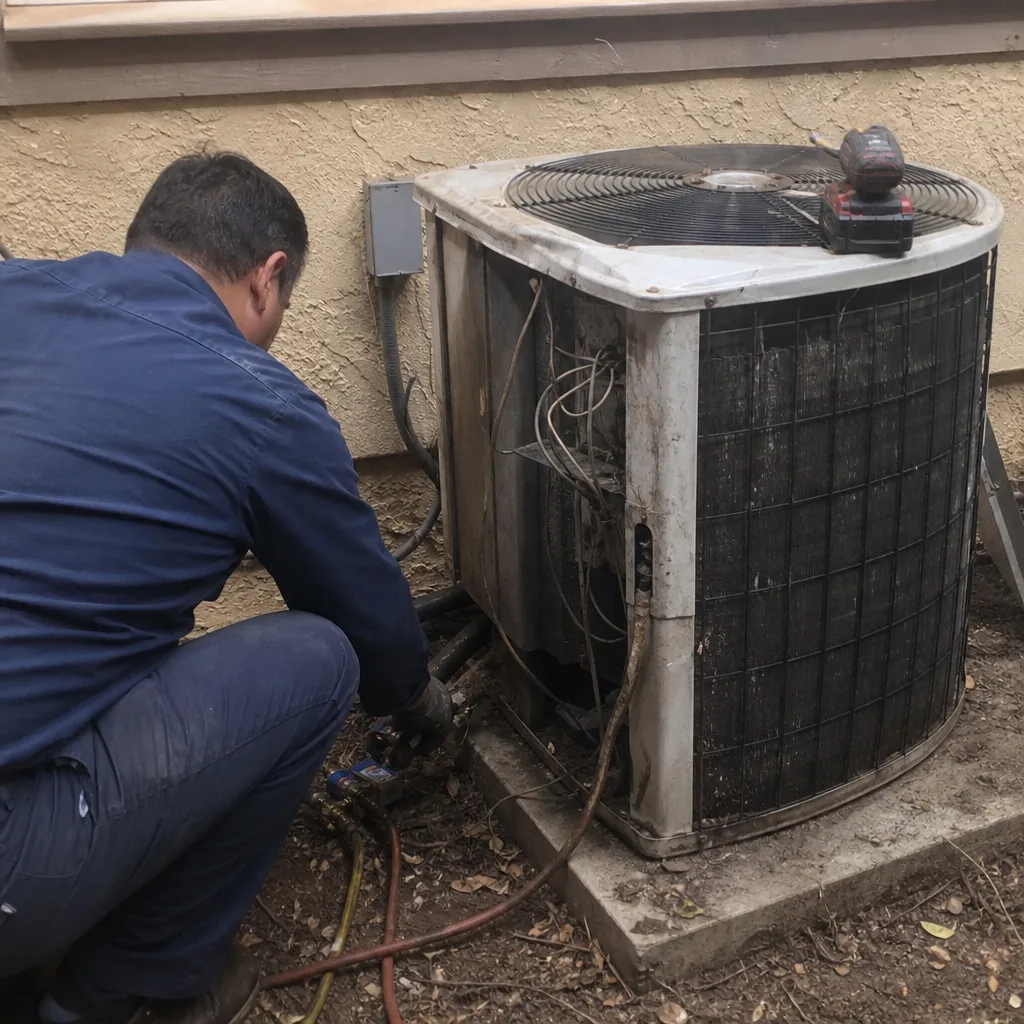 Before
 After
After Before
 After
After