Last updated October 16, 2026






Free written scope consultation - allowances, timeline, and change-order rules on paper before a single trade is scheduled
How to Hire a Construction Contractor in Woodland Hills: A Step-by-Step Guide
California’s Contractors State License Board logged over 20,000 complaints in a recent year, and the number one pattern isn’t unlicensed work. It’s licensed contractors who quoted one price and billed another. A CSLB license tells you someone passed a test and carries a bond. It doesn’t tell you whether they’ll answer their phone on week three, whether the crew that shows up actually works for them, or whether the number on the invoice will match the number you approved. This guide walks through the hiring process the way a Woodland Hills homeowner should actually run it-what to check before you call, what to read before you sign, and what to write into the contract so you’re not negotiating surprises at the final walkthrough-and you can find more guides & resources on our blog.
Quick Answer
To hire a construction contractor in Woodland Hills, follow the steps in The Complete Guide to Construction in Woodland Hills: verify the CSLB license is active and matches the name on the contract, request proof of general liability and workers’ compensation insurance, get at least three written line-item estimates, check references from jobs completed in the last 12 months, require a written subcontractor disclosure clause, and agree on a communication schedule in writing before you sign. Budget 2 to 3 weeks for this process on a typical Woodland Hills remodel, not 2 to 3 days.
Styles & brands we work with


Table of Contents
- Step 1: Verify the License Before You Talk Price
- Step 2: Request the Three Insurance Documents and Read Them
- Step 3: Evaluate the Written Estimate Line by Line
- Step 4: Know the Woodland Hills Red Flags That Cost Homeowners Money
- Step 5: Demand Subcontractor Transparency in Writing
- Step 6: Write a Communication Schedule Into the Contract
- Step 7: Run References the Right Way
- Step 8: Read the Contract Like a Payer, Not a Cheerleader
Step 1: Verify the License Before You Talk Price
The first conversation most Woodland Hills homeowners have with a contractor is about price. That’s backward. The first conversation should be with the CSLB website, and it should take you six minutes. Here’s the sequence we recommend to every homeowner who calls us for a second opinion on another bid.
Go to the Contractors State License Board’s license lookup tool at cslb.ca.gov. Type in the license number the contractor gave you. Do not search by name alone. Then check four things:
- The license status says “Active” – not “Inactive,” “Expired,” or “Suspended.” A suspended license often means a bond claim was paid out, which means another homeowner had to file a complaint to get their money back. That’s the canary in the coal mine.
- The business name on the license matches the name on the estimate – if the estimate says “Joe’s Construction” but the license is registered to “J. Martinez Development LLC,” that’s not a paperwork detail. That’s a different legal entity. The name on the contract must match the name on the license exactly.
- The classification covers the work – a “C-36” covers plumbing. A “C-54” covers tile and stone. A “B” (General Building) covers most full remodels. If you’re hiring a contractor for a whole bathroom remodel in Woodland Hills, a B license is the standard. If someone holding only a C-54 says they’ll handle the framing and electrical too, they legally can’t. And if they’ll lie to the CSLB, they’ll lie to you.
- The bond amount is current – the CSLB requires a $25,000 contractor bond. Some contractors carry higher bonds. The bond is what pays you if the contractor violates state contracting law and a court or arbitration agrees. It’s not a warranty, but it’s the backstop that matters when things go wrong.
One more thing worth doing: check the license’s issue date. If the license was first issued in 2021 but the contractor’s website says “20 years of experience,” that experience probably came under a different license or a different name. Sometimes that’s legitimate, sometimes it’s a red flag. Either way, ask about it directly before you sign. A straight answer builds trust. A defensive response tells you what you need to know.
Here in Woodland Hills, we’re seeing a lot of work on mid-century homes that have been through several remodels, as covered in our Seasonal Construction Care for Woodland Hills: Year-Round Homeowner’s Guide. That means previous work may not be up to current code, and a licensed contractor is going to flag that during the estimate. An unlicensed handyman is going to quote you a price and hope the inspector doesn’t look too hard. The license is the floor, not the ceiling.
Step 2: Request the Three Insurance Documents and Read Them
A license proves competence. Insurance proves accountability. Those are different things, and Woodland Hills homeowners skip the insurance check more than any other step. Here are the three documents to request before you sign anything, and what to look for on each.
1. General Liability Certificate
This covers damage to your property if the contractor’s work injures it. A dropped hammer that cracks your original terrazzo floor. A saw that kicks back and puts a hole in drywall. Water damage from a leak during construction. The certificate should list you, the homeowner, as the “certificate holder.” If the contractor hesitates to add you, that’s a signal. Standard coverage for residential remodeling work in California typically starts around $1 million per occurrence. The policy should be current, not expiring next month.
2. Workers’ Compensation Certificate
In California, workers’ comp is mandatory for any contractor with employees. And here’s the part Woodland Hills homeowners miss: if a worker is injured on your property and the contractor doesn’t carry workers’ comp, the injury claim can land on your homeowner’s insurance. That’s not a hypothetical. That’s how liability works. Request the certificate directly from the contractor’s insurance agent, not just a copy from the contractor. An email to the agency takes five minutes and confirms the policy is actually in force.
3. Builder’s Risk or Course of Construction Policy
This one covers the project itself while it’s being built. A pipe that bursts overnight and floods the newly installed cabinetry. Wind damage to framing before the roof sheathing is on. Not every contractor carries this for smaller jobs, and that’s not automatically disqualifying. But for a whole-home renovation in Woodland Hills, where you might have a roof open during the rainy season, it’s worth asking about. A contractor who can explain why they do or don’t carry it is telling you something about how they think about risk.
In our experience, the homeowners who ask for these three documents get a specific response from bad contractors: silence, deflecting, or “trust me.” The homeowners who get all three and read them sleep better before demo day.
Step 3: Evaluate the Written Estimate Line by Line
The written estimate is where most Woodland Hills hiring decisions are actually made, and it’s where most homeowners are reading the wrong thing. You’re not reading the estimate to see the total. You’re reading it to see whether the total is real.
A real line-item estimate breaks the project into digestible pieces. It says something like:
- Demolition and debris hauling: $3,400
- Rough plumbing: $6,800
- Rough electrical: $4,200
- Shower pan and waterproofing (Schluter system): $5,600
- Tile installation: $7,200
- Cabinetry and vanity installation: $8,900
- Countertop fabrication and install: $6,500
- Paint and finish work: $3,100
- Project management and supervision: 10-12%
A lump-sum quote that says “Bathroom remodel: $68,000” with no breakdown is hiding margin. That’s not inherently evil. Contractors have overhead and profit, and a 10 to 15 percent project management fee is standard. The problem is that a lump-sum quote gives you no basis to compare bids or negotiate changes. If you decide to cut the tile work down to a smaller floor area, what’s the credit? With a lump sum, you’re renegotiating the whole job. With a line-item estimate, you’re subtracting $1,800 for tile. That’s the difference between a contract and a hostage negotiation.
Here at Sawyer Remodel Woodland Hills, we put the price in writing before a single tool is picked up. That’s not a courtesy. That’s what The Relay Standard requires: the number you approve is the number on the invoice. Every homeowner in Woodland Hills should expect that from any contractor they hire, not just us.
One more thing on estimates: check whether the allowance items are realistic. A contractor who budgets $800 for a bathtub when you’ve been shown a $3,200 Kohler tub is building a price increase into the job. Ask for the actual allowance amounts and the specific model numbers. If the estimate says “builder-grade fixtures” but you want Moen or Grohe, that gap is coming out of your pocket later. Get it in writing before you sign.
Step 4: Know the Woodland Hills Red Flags That Cost Homeowners Money
Every market has its own tells. Woodland Hills has specific ones, driven by the age of the housing stock, the hillside geology, and a remodeling market that’s been hot for years. We’ve seen these play out repeatedly.
The contractor who specializes in everything. A company that lists roofing, HVAC, landscaping, pool installation, bathroom remodeling, kitchen remodeling, and foundation repair on the same website is not a specialist in all of those things. They’re a lead generation operation. The trades are different disciplines with different codes, different subs, and different failure modes. A company that tells you they do all of it well is telling you they’ll be learning on your house. In Woodland Hills, where hillside homes have specific drainage and structural considerations, a generalist who doesn’t understand slope stability is a liability. That’s why our team stays focused: we’re a general contractor in Woodland Hills who handles bathroom remodeling and whole-home renovation, and we don’t pretend to be a roofer or a landscaper too.
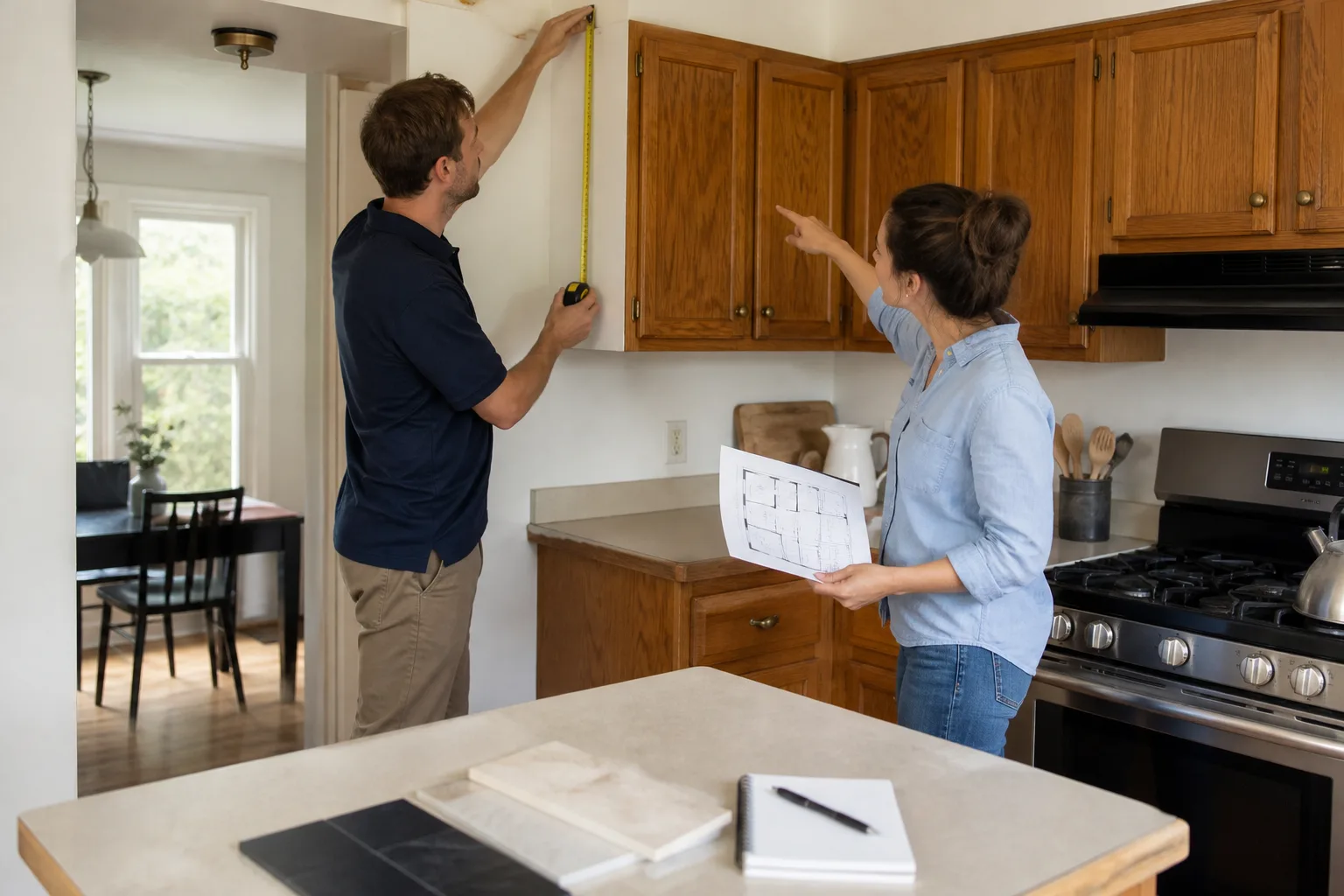
The bid that arrives within hours. If you call a contractor at 9 a.m. and have a formal written estimate in your inbox by 2 p.m., they didn’t evaluate your project. They priced a template. That bid is either padded to cover unknowns or thin to win the job and inflated later in change orders. A real estimate for a bathroom remodel in Woodland Hills takes a site visit, measurements, fixture discussions, and at least a day or two of line-item work. Hour-speed bids are a red flag, not a service feature.
The pressure to start before permits are pulled. Here’s the pattern: a contractor gives you a great price, then says they can start Monday if you “skip the permit process” or “we’ll pull them later.” In Woodland Hills, building permits are required for most bathroom remodels that involve plumbing, electrical, or structural changes. A contractor who wants to start before permits means the work won’t be inspected, which means code violations are baked in, which means you’ll pay for them when you sell the house. It also means the contractor doesn’t carry the insurance to cover unpermitted work. Any contractor who acts like permits are a suggestion isn’t working in your interest.
The “we’re already in the area” discount. This one is classic. A contractor knocking on doors in your Woodland Hills neighborhood says they’re doing a job two streets over and can give you a discount if you sign this week. Sometimes that’s true. Usually, it’s a traveling crew with no local footprint, no Woodland Hills references, and no intention of being reachable after the check clears. Check their CSLB address. Check their physical location. Ask to visit the job they claim to be doing.
Step 5: Demand Subcontractor Transparency in Writing
This is the question almost nobody asks, and it’s the one that generates the most post-project regret: “Who exactly will be in my home, and are they covered?”
General contractors in Woodland Hills routinely use subcontractors for specialized work: plumbing, electrical, tile setting, drywall, painting. That’s normal and it’s not a problem. The problem is when the homeowner doesn’t know who the subs are, hasn’t verified their licensing and insurance, and has no contractual protection if the sub botches the work.
Here’s what to require in writing before you sign:
- A list of every subcontractor who will work on the project – their company name, CSLB license number, and the scope they’re responsible for. If the general contractor won’t name the subs before the contract is signed, that’s a red flag. You have a right to know who’s walking into your house.
- Proof that each sub’s license and insurance are current – the general contractor should provide this without resistance. If they won’t, they’re either not checking their subs’ coverage or they’re hiding something.
- A written indemnification clause – this says the general contractor, not you, is responsible for the work of the subs they hire. If the tile sub cracks a pipe and floods your first floor, the GC’s insurance handles it. Without that clause, you might be filing a claim against a sub you didn’t hire and can’t reach.
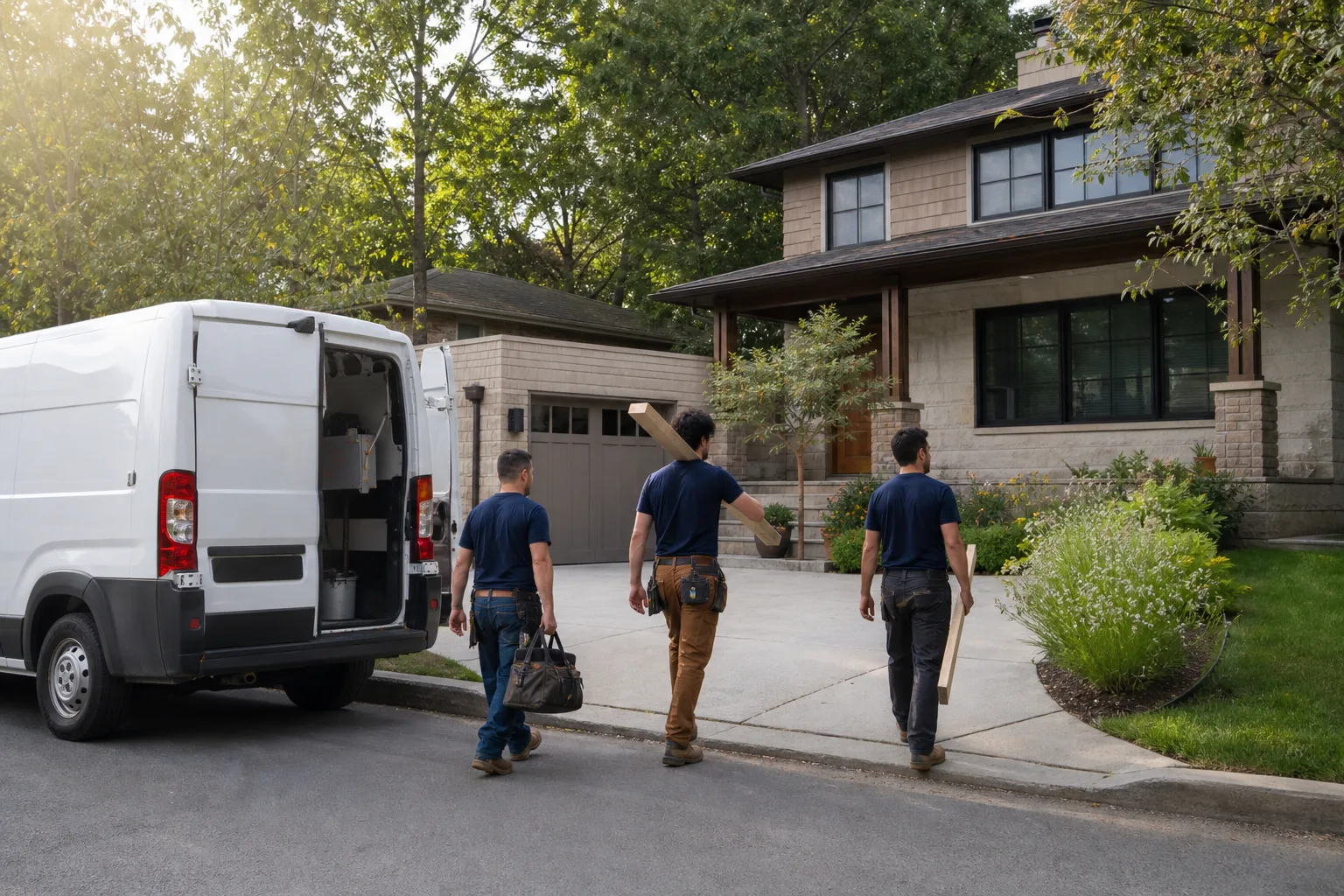
We run all our work under The Relay Visibility Guarantee, and part of that means you know who is coming before they arrive. Background-checked, uniformed technicians on every job. If a sub is scheduled, you know their name and their role before they ring the doorbell. That’s not an upgrade. That’s the baseline any Woodland Hills homeowner should expect. The days of a mysterious truck pulling into the driveway and three strangers walking through the kitchen should be over.
We’ve seen the alternative too many times: a homeowner who hired a GC, had a sub install a shower pan incorrectly, and spent six months trying to get the GC to return calls while water slowly damaged the ceiling below. That specific failure is avoidable with a subcontractor clause and a written warranty that names who fixes what.
Step 6: Write a Communication Schedule Into the Contract
Communication failures are the number one reason homeowners regret their contractor choice, even when the work itself is good. The fix is not to hire someone “good at communicating.” The fix is to make communication a contractual obligation.
Here’s what a real communication schedule looks like, and what to put in writing:
- Weekly written updates, every Friday by 5 p.m. – the update covers what happened that week, what’s scheduled for next week, any decisions needed from the homeowner, and any anticipated schedule changes. This is not a text that says “all good.” This is a written update with substance.
- Photo documentation at every major milestone – before and after photos of rough-in work, waterproofing, tile installation, and final finishes. You should be able to see the work without being there. If the Contractor pushes back on photos, ask why.
- A single named point of contact – one person who answers your questions and is accountable for the project. Not a rotating cast of project managers. One person, named in the contract, with a direct phone number.
- A defined response time for urgent issues – something like “the point of contact will respond to urgent questions within 4 business hours.” Non-urgent questions get 24 hours. This needs to be realistic, not aspirational.
- Change order protocol – any change to scope or price must be documented in a written change order, signed by you, before the work begins. Verbal approvals don’t count. If it’s not in writing, it didn’t happen.
At Sawyer Remodeling’s bathroom projects in Woodland Hills, every job runs on The Relay Standard: a live arrival time before we get there, photo updates before and after each stage, and a written price before work starts. You see the work being done without having to hover. That’s the standard any contractor should be held to, whether it’s us or anyone else.
If a contractor balks at writing a communication schedule into the contract, that tells you how weeks three through eight of your project will go. The contractors who communicate don’t mind committing to it in writing.
Step 7: Run References the Right Way
Most homeowners do reference checks wrong. They ask for three names, call one, hear “yeah, they were great,” and check the box. That’s theater, not due diligence.
Request references from projects completed in the last 12 months, not the greatest hits from 2019. Ask for the specific type of project you’re planning: if you’re doing a bathroom remodel in Woodland Hills, ask for other bathroom remodel clients. Then, when you call, ask these five questions:
- “What was the difference between the original estimate and the final invoice?” – This one question reveals more than any other. A reference who says “the final was 3 percent over because we added a niche” is telling you they worked with an honest contractor. A reference who hesitates and says “well, it ended up being more than expected” is telling you the opposite.
- “Did the crew show up when they said they would?” – Not once. Consistently. Over the whole project.
- “Was the crew the same people throughout the project?” – High turnover on a job site is a sign of a contractor who treats their people poorly, and people who are treated poorly do poorer work.
- “How were change orders handled?” – Did they get written change orders before the work changed? Or did they find out about cost increases at the final walkthrough?
- “Would you hire them again for a second project?” – Not “were you happy with the work?” Happiness is vague. “Would you hire them again” forces a yes or no. If they hesitate, that’s a no.
One more thing: ask the reference if you can see the finished project in person. Most people will say no to a stranger in their home, but the ones who say yes and show you the work are telling you they’re genuinely proud of it. That’s a stronger signal than any review.
Step 8: Read the Contract Like a Payer, Not a Cheerleader
You’re going to pay real money for this project, and the contract is the only document that protects you. Read it with the same focus you’d read a purchase agreement for a car or a house. Here are the clauses that matter most.
Payment schedule. California law caps the down payment for home improvement contracts at $1,000 or 10 percent of the contract price, whichever is less. If a Woodland Hills contractor asks for 50 percent up front, that’s a violation of state law. Walk away. A legitimate payment schedule ties payments to completed milestones, not dates. “Final payment due at project completion and inspection sign-off” is standard. “Final payment due 30 days after start regardless of progress” is not.
Change order process. The contract should spell out how changes are priced, documented, and approved. If it says changes “will be billed at contractor’s discretion,” that’s not a contract. That’s a permission slip.
Warranty terms. Every contractor should offer a written workmanship warranty. Ours is the 365-Day Done Right Promise: if it’s not done right, we make it right, backed in writing on every project. That’s not unique to us, and a homeowner should expect a similar commitment from any contractor they hire. If the contract doesn’t mention the word “warranty,” ask where it is. If the contractor says “we stand behind our work verbally,” get it in writing or walk.
Dispute resolution. The contract should say what happens if you disagree. Mediation first, then arbitration, then court. Contractors who write “arbitration only, homeowner waives right to court” are stacking the deck. Read this clause carefully.
Completion date. The contract should include an estimated start date and estimated completion date, with a defined process for schedule changes. Remodels run long sometimes, but “we’ll finish when we finish” isn’t acceptable in writing.
Common Mistakes to Avoid
- Skipping the CSLB license look-up because “the guy seems nice.” Nice doesn’t pay a bond claim. The CSLB database is free and takes five minutes. Use it every time.
- Accepting a verbal estimate instead of a written one. A verbal number is a sales tool. A written line-item estimate is a document you can hold someone to. In Woodland Hills, every legitimate contractor puts the price in writing.
- Paying for the whole job up front. California law limits down payments to 10 percent or $1,000 on home improvement contracts. Anyone who asks for more is either breaking the law or desperate. Neither is your problem to solve.
- Hiring a contractor for outdoor hardscaping without asking about material brands. If you’re planning pavers for a Woodland Hills hillside patio, ask whether the contractor works with manufacturers like Unilock, Tremron, or Techo-Bloc. The brand of paver affects longevity, color retention, and replacement availability. A contractor who doesn’t know their material brands doesn’t know their trade.
- Skipping the subcontractor conversation. Most Woodland Hills remodels involve subs for plumbing, electrical, and tile. If you don’t know who they are and whether they’re covered, you’re signing a contract with people you haven’t met.
- Ignoring the warranty clause because “we’ll deal with it if something breaks.” The time to negotiate the warranty is before you sign, not during the dispute. A contractor who won’t put a workmanship warranty in writing won’t honor one that exists only in conversation.
- Choosing the low bid to save a few thousand dollars. A bid that’s 30% below the others isn’t a bargain. It’s a different scope, lower-grade materials, or a plan to make up the difference in change orders. In Woodland Hills, where home values support solid remodeling investments, the low bid is usually the most expensive one by the time the project is done.
See the difference
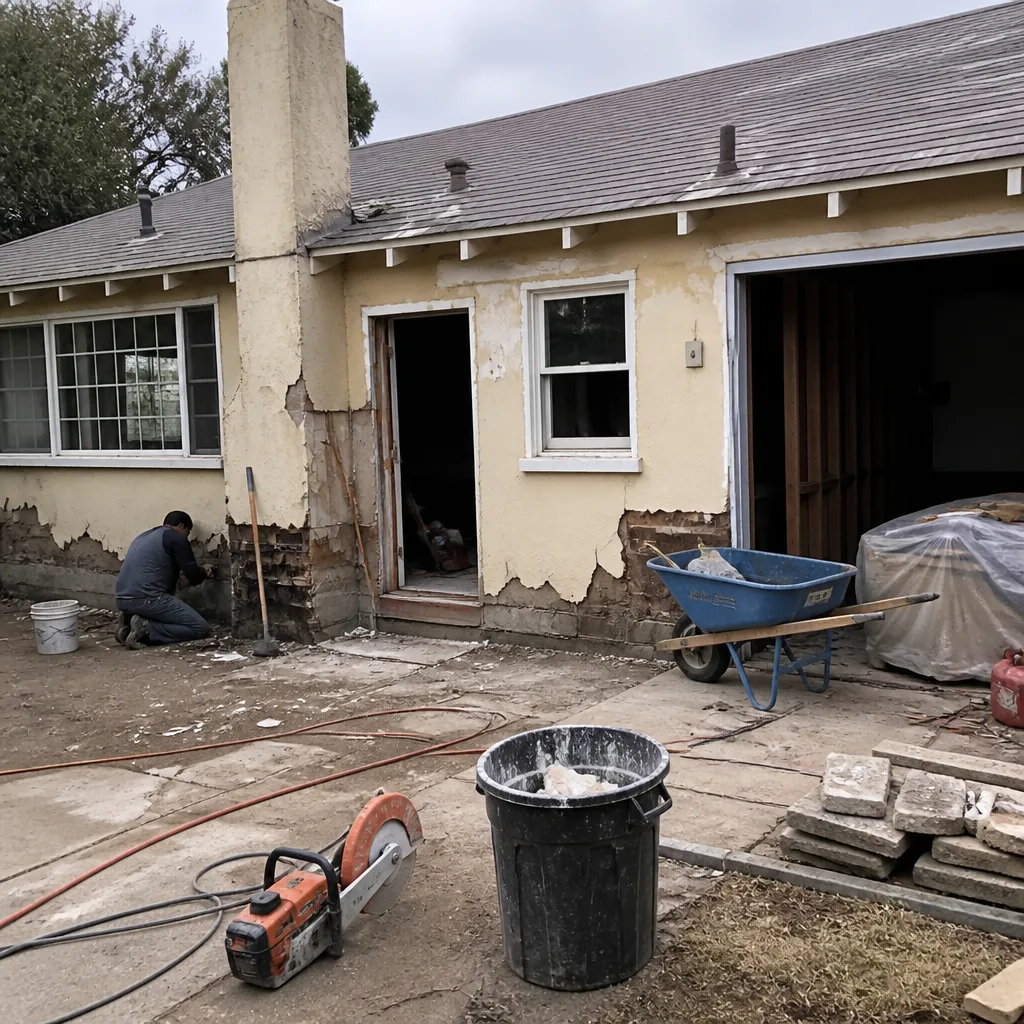 Before
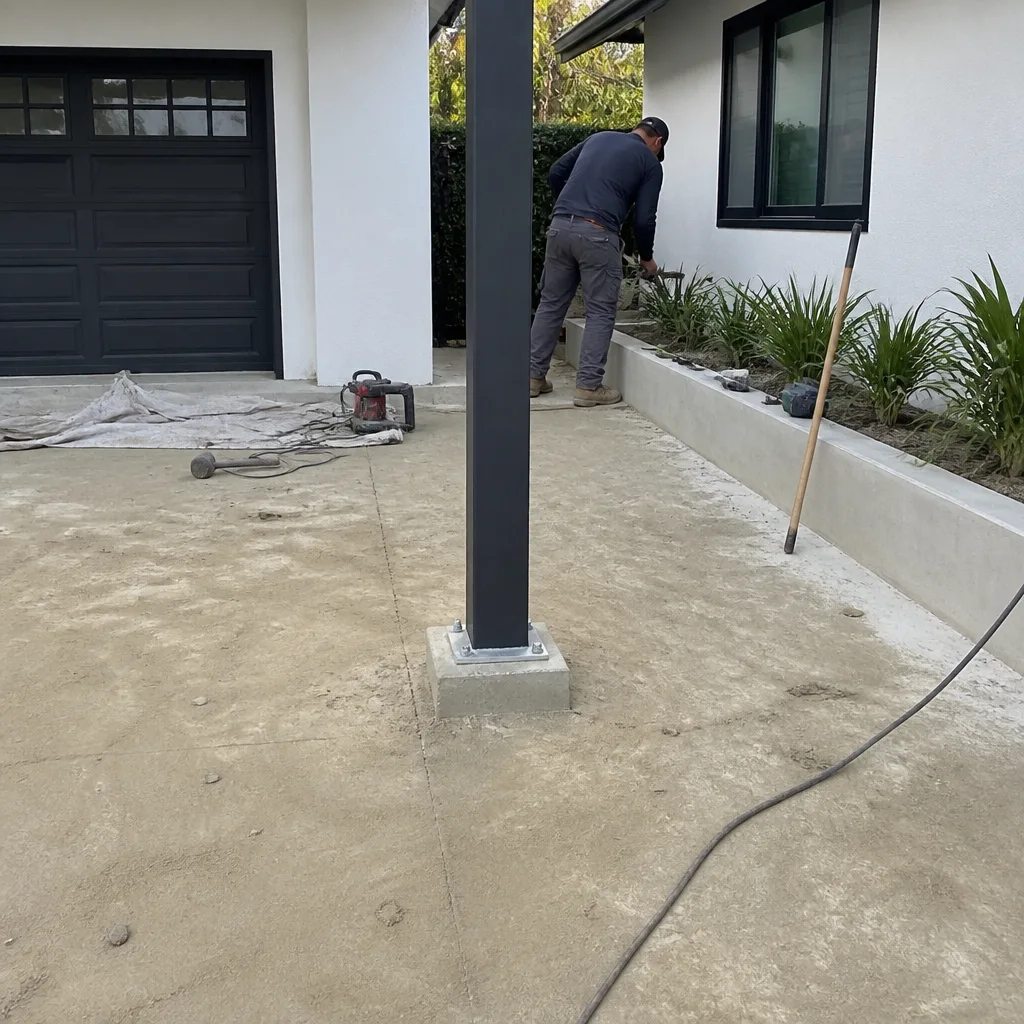 After
After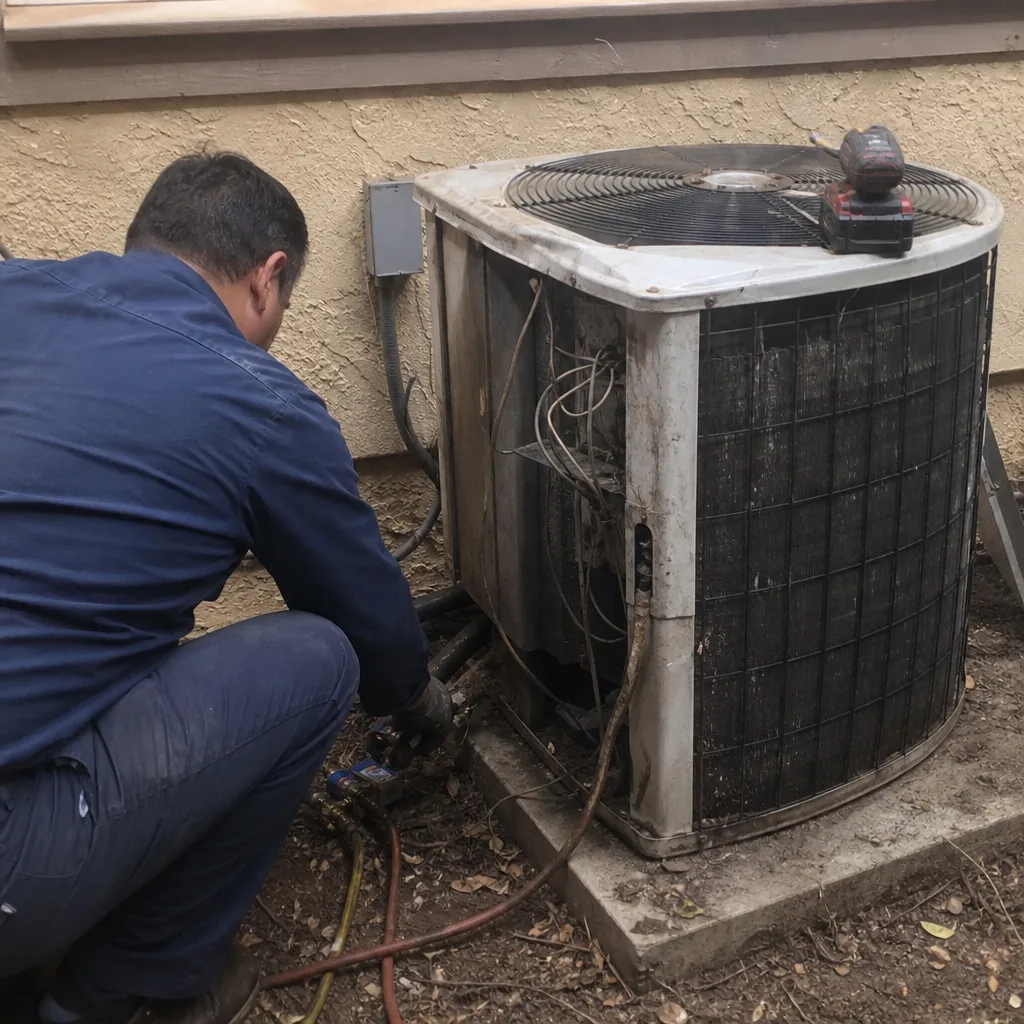 Before
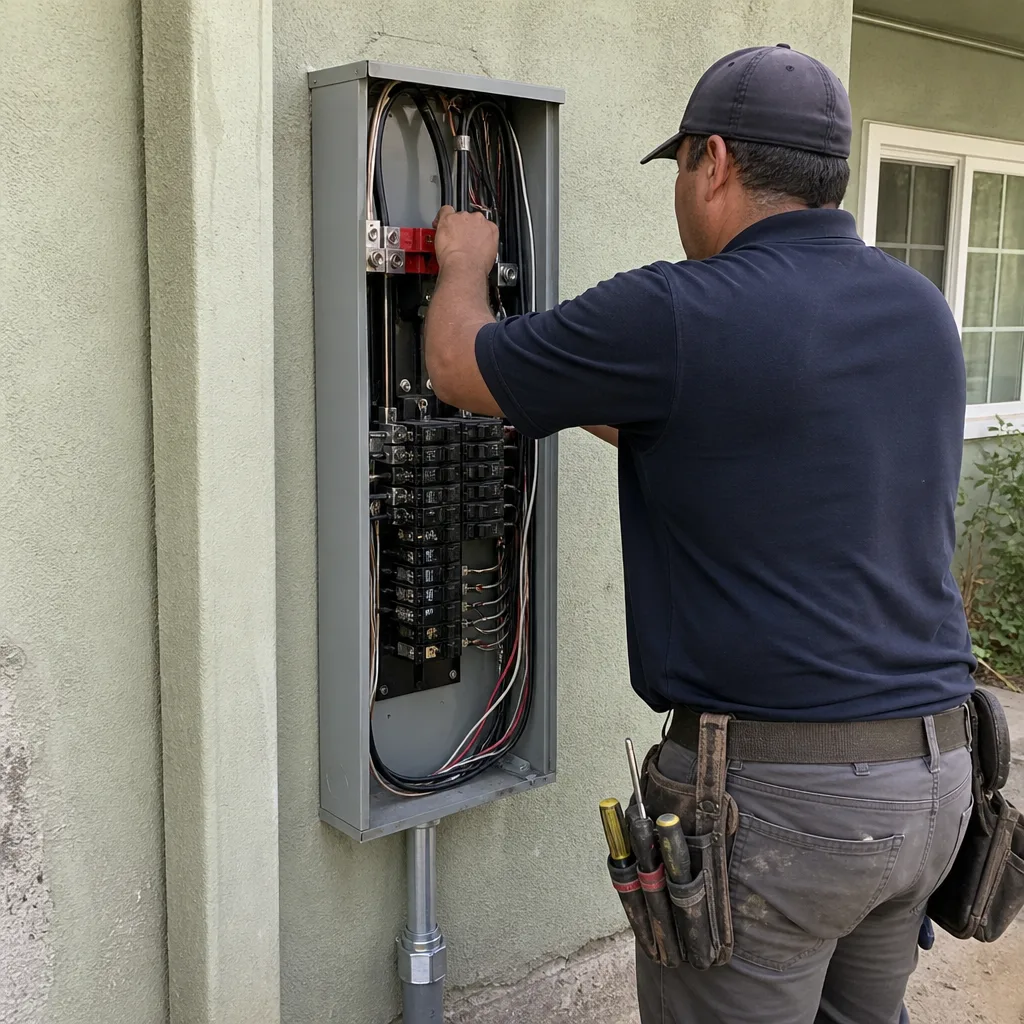 After
After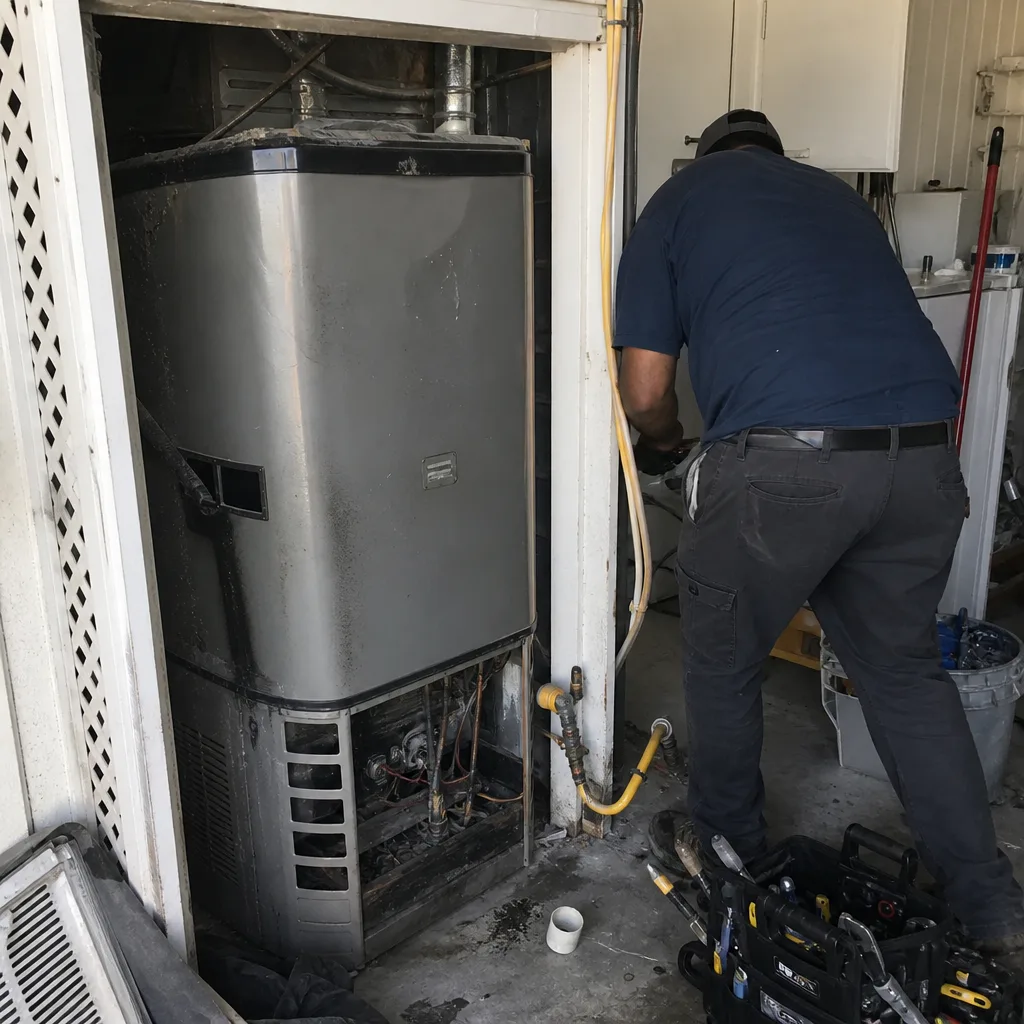 Before
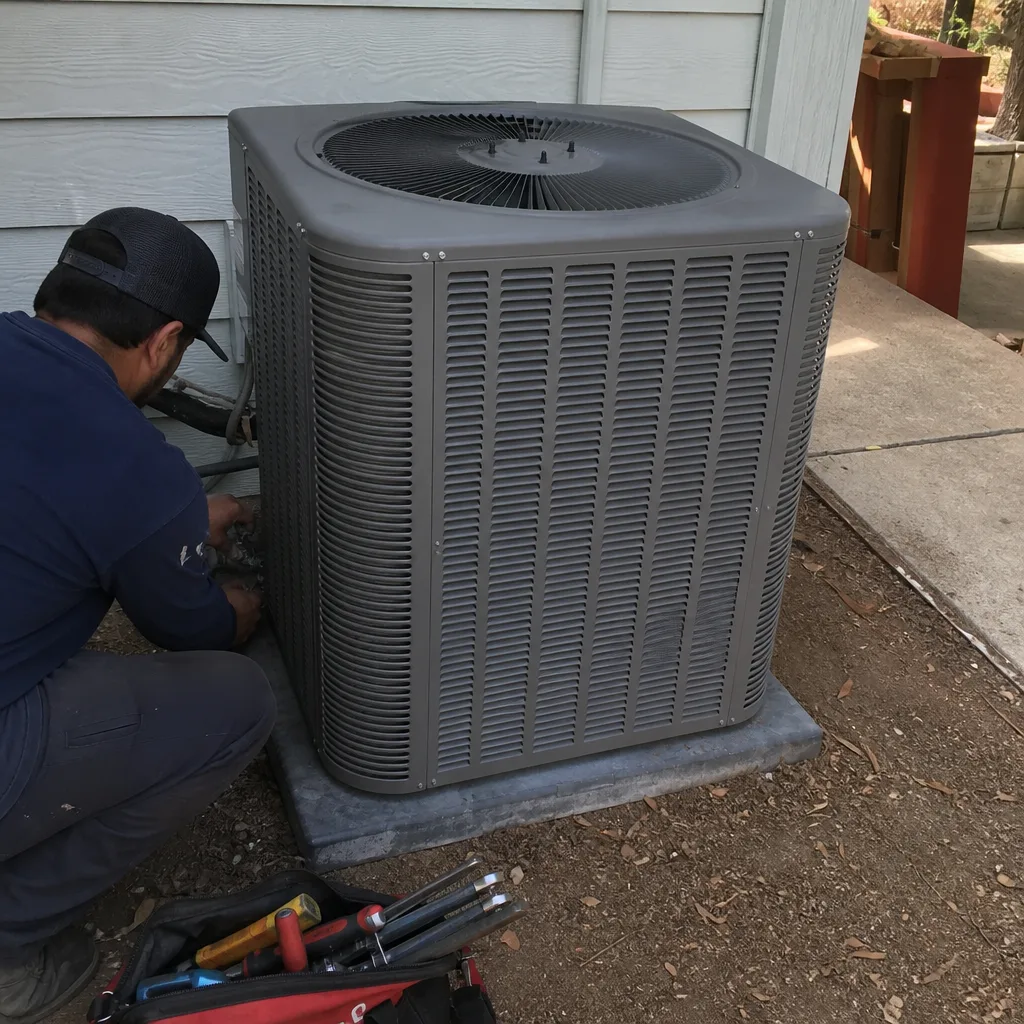 After
AfterWhen to Call a Professional
Some jobs are within a competent DIYer’s range: painting a room, swapping a faucet, hanging a shelf. But the moment a project involves plumbing lines, electrical work, structural changes, waterproofing, or permits, hiring a licensed contractor isn’t a luxury. It’s the only sensible option. Woodland Hills homes with hillside lots add another layer: drainage, retaining walls, and slope stability aren’t weekend-project territory. Same goes for any job that must pass a resale inspection, since unpermitted work is a disclosure nightmare when you sell. If you’re planning a bathroom remodel or a whole-home renovation in Woodland Hills, Sawyer Remodel’s home renovation team serves the area with free estimates and written pricing before any work starts. Call (341) 217-2776 to schedule yours.
Frequently Asked Questions

For a detailed breakdown, see our Construction Cost Breakdown: The Woodland Hills Homeowner’s Reference for 2026; expect to pay $35,000 to $75,000 for a full bathroom remodel in Woodland Hills as of 2025, with higher-end projects using premium materials from brands like Cambria, Caesarstone, and Kohler running $80,000 to $120,000 or more. The range depends on size, fixture selections, whether you’re moving plumbing, and the condition of the existing framing and subfloor. For an exact quote on your specific project, call (341) 217-2776. Estimates are free, and our price is in writing before work begins.
Visit the Contractors State License Board website at cslb.ca.gov and enter the contractor’s license number in the license lookup tool. Confirm that the license status is “Active,” the business name matches the name on the contract, and the license classification covers the type of work you’re hiring them to do. You can also view any complaints, citations, or bond claims filed against the license on the same page.
A written estimate should break the project into line items: demolition, plumbing, electrical, waterproofing, tile, cabinetry, countertops, paint, and project management, each with a specific dollar amount. Avoid lump-sum quotes that don’t itemize the work, since they give you no basis to compare bids or negotiate changes. Material allowances for fixtures, tile, and countertops should also be itemized with specific brand names and dollar amounts.
No. California law caps the down payment for home improvement contracts at $1,000 or 10 percent of the contract price, whichever is less. Any contractor in Woodland Hills asking for more is violating state law, and you should walk away. Legitimate payment schedules tie the remaining payments to completed milestones and a final payment at project completion.
Yes, permits are required for most bathroom remodels in Woodland Hills that involve plumbing, electrical, or structural changes. Working without permits means the work won’t be inspected and could fail a resale inspection later. A contractor who pressures you to skip permits is not operating in your best interest.
A full bathroom remodel in Woodland Hills typically takes 4 to 8 weeks from demolition to final inspection, depending on the scope, material lead times, and whether custom cabinetry or countertops are involved. Whole-home renovations run 4 to 6 months or more. A contractor who promises a faster timeline should be willing to put the schedule in writing with milestone dates.
The Bottom Line
Hiring a construction contractor in Woodland Hills isn’t about finding the cheapest bid or the biggest brand. It’s about finding a contractor who puts everything in writing: the license, the insurance, the line-item price, the subcontractor list, the communication schedule, and the warranty. The homeowners who get burned are the ones who skip the paperwork because the conversation felt good. The homeowners who thrive are the ones who treat the contract like what it is: the only enforceable description of who is doing what, for how much, and by when. Do the checks. Ask the questions. Get it in writing. Then enjoy the remodel.
Written by Luca Romano, Owner at Sawyer Remodel Woodland Hills, serving Woodland Hills since 2005.